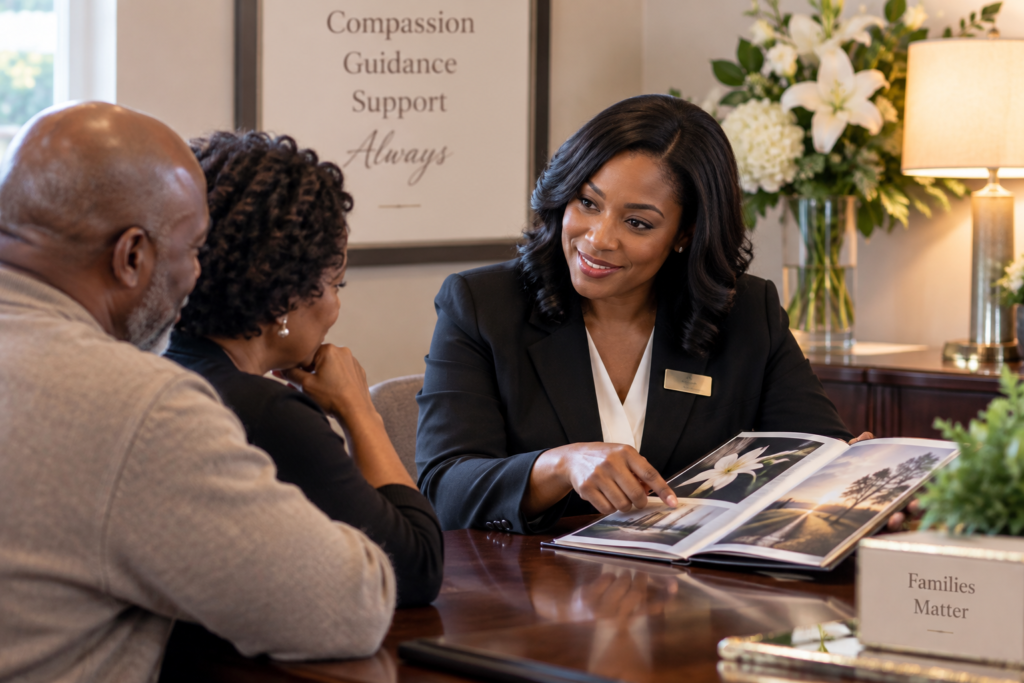
After a loved one passes away, families are often faced with paperwork, decisions, and arrangements that can feel overwhelming. One of the most important documents involved is the death certificate. This official record is needed for many legal, financial, and administrative tasks after a death. As families work with funeral providers through this process, they may also become curious about the business itself, including whether funeral homes are profitable and what factors influence the financial side of funeral services.
Many families wonder whether the funeral home handles the death certificate, who signs it, how long it takes, and how many certified copies they should order. While the exact process can vary by state, county, or local rules, funeral homes often play an important role in helping families complete and file the required paperwork. Families may also have broader questions about how funeral providers operate, including whether funeral homes are tax exempt and how their tax status can differ based on business structure and applicable laws.
This guide explains what a funeral home death certificate process usually involves, what information families may need to provide, how certified copies are used, and what questions to ask the funeral director before final arrangements are completed.
What Is a Death Certificate?
A death certificate is an official legal document that records a person’s death. It confirms that the death occurred and includes important information about the person who passed away, the place and date of death, and the medical certification.
A death certificate usually includes:
- The full legal name of the deceased
- Date and place of death
- Date of birth and personal details
- Marital status
- Cause of death
- Medical certification details
- Filing and registration information
Families usually need certified death certificate copies for important matters such as insurance claims, bank accounts, estate administration, benefits, property transfers, and closing accounts.
“A death certificate is more than a piece of paperwork. It is one of the key documents families need to move forward with legal, financial, and funeral-related matters after a loss.”
Does the Funeral Home Handle the Death Certificate?
In many cases, yes, the funeral home helps prepare and file the death certificate. However, funeral homes do not usually issue the official death certificate themselves. The official record is typically issued by a state, county, or local vital records office.
The funeral director may help by:
- Collecting personal information from the family
- Completing the demographic portion of the certificate
- Coordinating with the doctor, medical examiner, or coroner
- Submitting the completed certificate to the correct office
- Helping families order certified death certificate copies
This is one reason families often work closely with a funeral director during the first few days after a death. The funeral home can explain which forms are needed, what information must be provided, and what local timelines may apply. If you have questions about initial transport logistics—such as who picks up dead bodies after a loss occurs—the funeral provider can also clarify how the transfer from a home or medical facility is managed. People interested in gaining experience within the profession can also learn more about volunteering at a funeral home, including the types of opportunities that may be available and the restrictions that often apply.Because families often have several providers to choose from, it can also be helpful to understand how many funeral homes operate in the United States and why local availability, ownership, and services can vary.
If you are still choosing a provider to help with paperwork, planning, and arrangements, you can compare funeral home reviews to find a funeral home that feels supportive, trustworthy, and right for your family.
If you are still early in the process, HonorYou’s guide on the first steps to take after a loved one passes can help you understand what may need attention right away.
Do Funeral Homes Issue Death Certificates?
No, funeral homes usually do not issue death certificates directly. They commonly help prepare and submit the paperwork, but the certified death certificate is issued by the appropriate vital records office.
This distinction is important because families may say they are “getting the death certificate from the funeral home,” when in reality the funeral home is helping them request certified copies from the official records office.
The funeral home may guide the process, but the official certified death certificate usually comes from the local or state vital records office.
If you are unsure who issues the certificate in your area, ask the funeral director which office handles death records and whether your family can order extra copies later.
Who Files a Death Certificate After Someone Dies?
The person or office responsible for filing a death certificate can vary by location, but in many cases the funeral director helps file it after receiving the required personal and medical information.
The process often includes several parties:
- The family or informant provides personal details about the deceased.
- The funeral director completes funeral home paperwork and helps submit the certificate.
- A physician, coroner, or medical examiner certifies the cause of death.
- The vital records office or registrar processes and records the official document.
Because multiple people may be involved, delays can happen if information is missing or if the medical section has not yet been completed.
Who Signs the Death Certificate?
Different sections of the death certificate may be completed or certified by different people. The funeral director often completes the personal and demographic information based on details provided by the family. A doctor, medical examiner, or coroner usually completes or certifies the medical portion, including the cause of death.
Once the required sections are complete, the certificate is submitted to the proper local or state office for registration. After that, certified copies can usually be issued.
A typical death certificate process may involve:
- The funeral home gathers personal information from the family.
- The funeral director completes the required funeral home section.
- The doctor, coroner, or medical examiner completes the medical section.
- The certificate is filed with the proper office.
- Certified copies are made available to the family.
What Information Does the Funeral Home Need for a Death Certificate?
The funeral home will usually ask the family for personal details about the person who passed away. This information must be accurate because it becomes part of the official death record.
Common information needed for a death certificate may include:
- Full legal name of the deceased
- Date of birth
- Social Security number
- Place of birth
- Last address
- Marital status
- Spouse’s name, if applicable
- Parents’ names, including mother’s maiden name
- Occupation
- Veteran status
- Education level
- Informant’s name and contact details
It can help to bring supporting documents if they are available, such as a birth certificate, marriage certificate, Social Security card, military discharge papers, or other records that confirm important details.
If your family is also planning the service, HonorYou’s funeral planning guide can help you organize the larger decisions involved in making arrangements.
How Long Does It Take to Get a Death Certificate?
The timeline for receiving a death certificate can vary depending on the location, the funeral home, the vital records office, and how quickly the medical portion is completed. In many cases, families may receive certified copies within several days to a few weeks.
Delays may happen if:
- The cause of death has not yet been certified
- A medical examiner or coroner is involved
- Personal information is missing or incorrect
- The local records office has processing delays
- Additional review or investigation is required
If you need death certificate copies quickly for insurance, estate, or benefit matters, ask the funeral director how long the process usually takes in your area.
Ask the funeral home when certified copies are expected and whether any delays are likely. This can help your family plan next steps and avoid unnecessary stress.
How Many Death Certificate Copies Do Families Need?
Many families need more than one certified death certificate. A good starting point is often 5 to 10 certified copies, depending on the person’s estate, accounts, benefits, property, and financial matters.
Certified death certificate copies may be needed for:
- Life insurance claims
- Bank accounts
- Pension or retirement benefits
- Social Security matters
- Real estate transfers
- Vehicle titles
- Probate or estate administration
- Closing utility accounts
- Veteran benefits
- Credit card or loan accounts
Some organizations may return the certified copy after reviewing it, while others may keep it. Because of this, ordering several copies at the beginning can save time.
Can You Get More Death Certificate Copies Later?
Yes, families can usually request more certified copies later from the appropriate vital records office. However, ordering several copies through the funeral home at the beginning may be easier because the funeral director is already helping with the filing process.
If you need more copies later, you may need to provide:
- The deceased person’s full legal name
- Date of death
- Place of death
- Your relationship to the deceased
- A valid form of identification
- Any required fee
Rules about who can request a certified copy may vary by location, so check with the local or state records office if you are ordering copies yourself.
Certified Death Certificate vs. Informational Copy
A certified death certificate is an official legal copy that can be used for important matters. It is usually accepted by banks, insurance companies, courts, government agencies, and other organizations that require proof of death.
An informational copy may be used for personal records, family history, or general reference, but it may not be accepted for legal or financial tasks.
| Type of Copy | Common Use |
|---|---|
| Certified Death Certificate | Used for legal, financial, insurance, estate, and government matters. |
| Informational Copy | Used for personal records or reference, but may not be accepted for official matters. |
When in doubt, ask for certified copies. They are generally the safer choice when handling important accounts and paperwork after a death.
Can a Funeral Happen Before the Death Certificate Is Ready?
In many cases, funeral arrangements can begin before the final certified death certificate is available. Families may be able to meet with the funeral home, choose service details, arrange transportation, select memorial items, and begin planning before certified copies are issued.
However, certain parts of the process may require permits, authorizations, or completed paperwork. This can depend on local rules and whether the family chooses burial, cremation, transportation, or another type of service.
For example, burial, cremation, or transporting the deceased may require specific approvals before they can take place. The funeral director can explain what is required in your area.
If you are trying to understand the timing of services, you may also find HonorYou’s guide on how quickly funerals happen helpful.
What If There Is an Error on the Death Certificate?
Mistakes can happen on a death certificate, especially if information was entered quickly or if the family did not have documents available at the time. Common errors may include misspelled names, incorrect dates, wrong birthplaces, or inaccurate personal details.
If you notice an error, contact the funeral home or vital records office as soon as possible. They can explain the correction process and let you know what documents may be needed.
Common correction steps may include:
- Identifying the incorrect information
- Contacting the funeral director or records office
- Providing supporting documents
- Completing an amendment or correction form
- Waiting for the corrected certificate to be processed
It is best to review the information carefully before the certificate is filed whenever possible. This can help reduce delays later.
Death Certificate Checklist for Families
Use this checklist when speaking with the funeral home about death certificate paperwork:
- Confirm whether the funeral home will help file the death certificate.
- Ask what personal information you need to provide.
- Bring supporting documents if available.
- Ask who will complete the medical section.
- Ask how long certified copies usually take.
- Order enough certified copies for accounts, benefits, and estate matters.
- Ask whether more copies can be ordered later.
- Review all personal information carefully for errors.
This checklist can help your family stay organized during a difficult time and avoid delays with important paperwork.
Questions to Ask the Funeral Home About the Death Certificate
Before finalizing arrangements, ask the funeral director how the death certificate process works in your area. Clear answers can help your family understand what to expect and what responsibilities the funeral home will handle.
Helpful questions include:
- Will you file the death certificate for us?
- What information do you need from our family?
- Who signs the medical portion of the certificate?
- How long does the death certificate process usually take?
- How many certified copies do you recommend?
- How much does each certified copy cost?
- Can we order more copies later?
- What should we do if there is an error?
If you are still choosing a provider, it can also help to review HonorYou’s guide on who writes obituaries, since obituary writing and death certificate paperwork are often handled during the same early planning period.
Final Thoughts
A death certificate is one of the most important documents families need after a loved one passes away. It is used for legal, financial, insurance, estate, and benefit-related matters, and it can also be required during parts of the funeral arrangement process.
In many cases, the funeral home helps prepare and file the death certificate, but the official certified copies are usually issued by the local or state vital records office. The funeral director can help gather information, coordinate with the medical certifier, submit paperwork, and guide the family through ordering copies.
Because the death certificate process can involve several people and offices, it is helpful to ask questions early. Knowing what information is needed, how long the process may take, and how many certified copies to order can make the days after a loss a little more manageable.
Frequently Asked Questions
Do funeral homes issue death certificates?
No. Funeral homes usually help prepare and file the paperwork, but the official death certificate is typically issued by the local or state vital records office.
Who files the death certificate after someone dies?
In many cases, the funeral director helps file the death certificate after receiving the required personal information from the family and medical certification from a doctor, coroner, or medical examiner.
How long does it take to get a death certificate from a funeral home?
It can take several days to a few weeks, depending on local processing times, whether the medical section is complete, and whether a coroner or medical examiner is involved.
How many death certificate copies should I order?
Many families order 5 to 10 certified copies, especially if they need to handle insurance claims, bank accounts, property, benefits, estate matters, or other financial responsibilities.
Can I get more death certificates later?
Yes. Additional certified copies can usually be ordered from the appropriate vital records office after the original death certificate has been filed.
What is the difference between a certified death certificate and an informational copy?
A certified death certificate is an official legal copy used for important matters such as insurance, banking, estate, and government tasks. An informational copy may be used for personal records but may not be accepted for official matters.
Can funeral arrangements begin before the death certificate is ready?
Yes, funeral arrangements can often begin before certified copies are ready. However, burial, cremation, transportation, or permits may require certain approvals depending on local rules.
What happens if the death certificate has a mistake?
Contact the funeral home or vital records office as soon as possible. They can explain the correction process and tell you what documents may be needed to update the official record.