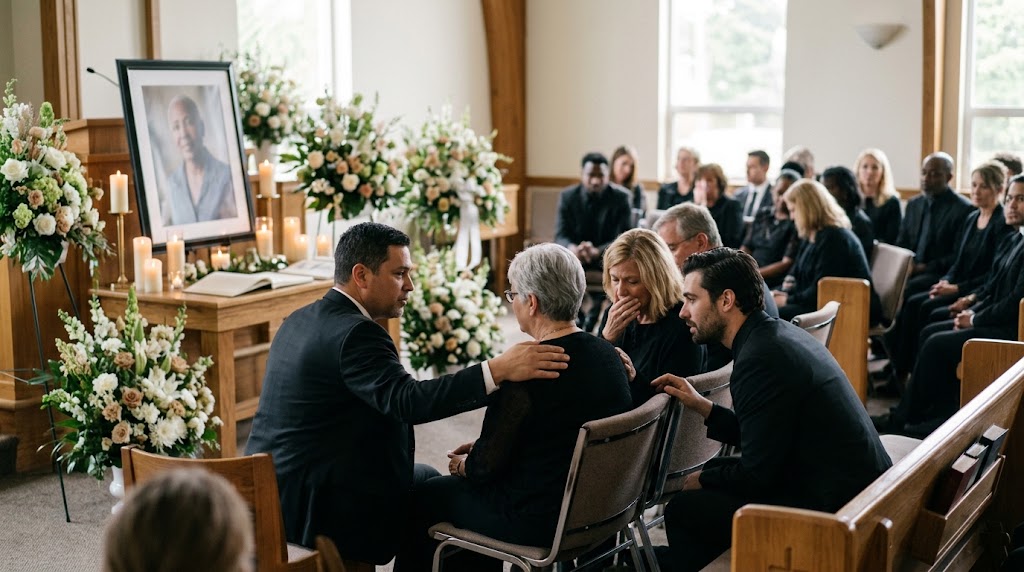
When faced with the death of someone we love, the world seems to pause. In the wake of loss, families are suddenly tasked with making dozens of decisions while navigating intense, overwhelming emotions. Among the first and most fundamental questions that arise is: why do we hold funerals? In an era where traditional practices are increasingly reexamined, understanding the true purpose of funerals becomes vital for anyone navigating grief or planning a final tribute.
Death rituals are among the oldest and most universal of all human traditions. Across every culture, era, and continent, human beings have consistently gathered to mark the end of a life. Far from being a mere formality or a routine administrative step, funeral rites fulfill deep-seated emotional, psychological, and social needs. Exploring funerals meaning helps us appreciate how these gatherings serve as compassionate anchors during life’s most turbulent storms.
Whether you are arranging a service for a family member, seeking personal closure, or evaluating why funerals are important for healing, this guide examines the multi-layered functions of death rituals and how they help us navigate the journey of grief.
Compassionate Reminder: Grief is a deeply personal journey with no set timeline or single correct path. While formal rituals provide a time-tested framework for healing, every individual and family must choose the memorial practices that bring them the greatest peace and comfort.
The primary purpose of a funeral is to help the living navigate grief by providing a structured, supportive space to acknowledge the reality of death, express complex emotions, celebrate a loved one’s unique life, and receive comfort from community, initiating a healthy journey toward healing.
What is the Main Purpose of a Funeral?
At its core, a funeral fulfills a dual role: it honors the individual who has died while simultaneously supporting the people who survive them. However, a common misconception often persists—the belief that funerals are held solely “for the deceased.” In truth, while the ceremony centers on commemorating a loved one’s legacy, death rituals are fundamentally designed to serve the living.
When a death occurs, the human brain often struggles to process the sudden void left behind. Grief counselors and psychologists emphasize that the psychological purpose of a funeral is to bridge the gap between knowing intellectually that someone is gone and accepting it emotionally.
Without a formal event to mark the loss, grief can easily feel abstract, lingering without an explicit beginning or direction. A funeral provides an intentional, containerized space—a specific time and place where mourners can gather to confront the reality of loss together rather than carrying the weight entirely alone.
The 5 Essential Functions of Funeral Rituals
To fully appreciate the importance of funeral rituals, it is helpful to break down the key psychological and social functions they serve for the bereaved. Renowned grief educators, including Dr. Alan Wolfelt of the Center for Loss and Life Transition, identify several essential needs that a meaningful funeral helps satisfy.
1. Acknowledging the Reality of Loss
When a loved one passes away, our initial response is frequently shock, numbness, or denial. It is difficult to grasp that someone who was so vibrant and central to our daily routine is no longer here.
Attending a ceremony, viewing the body or urn, and participating in physical rites forces the mind to recognize the permanence of the death. Moving from “intellectual awareness” to “emotional reality” is the critical first step in any healthy grieving process.
2. Encouraging the Expression of Grief
Modern society often encourages people to “stay strong,” keep quiet, or hide uncomfortable emotions. Funeral rituals counter this pressure by providing explicit, culturally accepted permission to grieve openly.
Within the safe boundaries of a service, crying, showing sorrow, and speaking about pain are not only allowed—they are normalized. This structured environment gives the bereaved a safe space to release bottled-up feelings without fear of judgment.
3. Commemorating and Celebrating a Unique Life
Every human being leaves an indelible mark on the world through their relationships, achievements, values, and humor. A major goal when asking why have a funeral is to honor that singular story.
Through eulogies, photo displays, music selections, and the reading of memorial poems to honor a life and cherish a memory, family and friends recount stories and affirm that the person’s existence mattered. This collective act of remembering preserves their legacy and highlights the enduring impact of their life.
4. Gathering Community Support
Grief can be profoundly isolating. In the early days following a loss, mourners often feel separated from the rest of the world, which seems to continue spinning normally despite their devastating heartbreak.
A funeral serves as a social beacon, bringing together extended family, friends, neighbors, and colleagues. When community members show up, offer hugs, share condolences, and bring food, they send a powerful signal to the immediate family: you are not alone, and we are here to carry this weight with you.
5. Providing Spiritual and Cultural Continuity
In times of profound tragedy, human beings naturally seek order amidst chaos. Funeral traditions—whether rooted in religious rites, cultural heritage, or secular customs—offer a predictable structure during a time that feels chaotic.
Reciting familiar prayers, singing traditional hymns, or following established ceremonial steps anchors mourners. These timeless actions connect the grieving family to something larger than themselves, reinforcing cultural identity and providing spiritual comfort.
| Essential Function | Psychological & Social Role | How It Supports Healing |
|---|---|---|
| 1. Reality Recognition | Confronts shock, denial, and emotional numbness. | Transforms abstract knowledge of death into felt emotional acceptance. |
| 2. Emotional Expression | Provides a safe, non-judgmental environment to mourn. | Prevents suppressed grief by encouraging external expression of sorrow. |
| 3. Commemoration | Revisits life stories, eulogies, and lasting achievements. | Affirms the deceased’s personal impact and helps preserve their memory. |
| 4. Social Support | Rallies friends, neighbors, and colleagues around the family. | Reduces feelings of acute isolation and builds a long-term care network. |
| 5. Structural Continuity | Applies cultural, religious, or personal frameworks. | Restores a sense of order, stability, and meaning during emotional upheaval. |
Historical and Cultural Significance of Death Rituals
To understand why are funerals important for grieving, it is worth examining how deeply embedded these rituals are in human history. Archaeologists have uncovered deliberate burial sites dating back tens of thousands of years, complete with flower pollen, ornaments, and grave goods. From ancient Egyptian mummification to Viking ship burials, traditional Celtic wakes, and contemporary memorial gatherings, every society has crafted formal ways to mark the end of life.
Why have death rituals endured across civilizations for millennia?
The answer lies in universal human biology and psychology. Regardless of time period or geographical location, human beings experience the exact same fundamental feelings when a loved one dies: profound loss, existential disorientation, and sadness.
Societies rely on death rituals because they serve as essential rites of passage. Anthropologists note that life transitions—such as birth, marriage, and death—require structured community markers to help individuals adjust to a new reality. The funeral marks the transition of the deceased from living companion to treasured memory, while helping the survivors step out of shock and begin reconstructing their daily lives.
How the Purpose of Funerals is Evolving
While the core psychological need for rituals remains unchanged, the specific ways families choose to express those rituals are evolving rapidly. Historically, standard religious funerals with a traditional casket, visitation, and church service were the norm. Today, options have expanded dramatically to fit modern sensibilities.
Understanding the primary purpose of a celebration of life or a modern memorial helps explain why these newer formats have gained immense popularity:
- Celebrations of Life: Rather than focusing primarily on somber mourning, these gatherings place greater emphasis on joy, gratitude, personal hobbies, and storytelling. They celebrate how the person lived rather than focusing strictly on how they died.
- Personalized Memorial Services: Families frequently hold services at parks, beaches, art galleries, or community centers, featuring customized slideshows, interactive memory boards, and casual attire.
- Eco-Friendly & Green Burials: Reflecting a growing environmental consciousness, many people opt for natural burials or bio-cremation, using rituals centered around nature and ecological renewal.
When structuring these modern gatherings, many families choose to combine traditional and contemporary elements. For instance, holding a private visitation beforehand—while keeping in mind the funeral and wake difference—allows for intimate mourning before hosting a larger, upbeat public Celebration of Life.
Do You Really Need to Have a Funeral?
It is not uncommon for individuals or families to consider skipping a funeral altogether. Common reasons include avoiding financial stress, minimizing emotional distress, or honoring a deceased relative’s casual request to “not make a big fuss.”
While opting out of a traditional formal service is completely understandable, grief experts caution against bypassing all forms of gathering or ritual entirely.
The Psychological Risks of Bypassing Rituals
Completely avoiding a funeral or memorial service can sometimes create unforeseen emotional challenges down the road:
- Delayed or Unresolved Grief: Skipping a formal marker can cause grief to remain compartmentalized, leading to unresolved sadness or sudden emotional distress months or years later.
- Lack of Closure for Friends and Community: While the immediate family may feel overwhelmed, extended friends, coworkers, and neighbors also need an opportunity to say goodbye and pay their respects.
- Missed Support Network: Without a gathering, the bereaved miss out on the outpouring of love and physical presence that reminds them they are supported.
Low-Stress, Low-Cost Alternatives
Holding a meaningful gathering does not require spending thousands of dollars or coordinating a massive formal event. If a conventional funeral feels overwhelming, consider these simple, low-stress alternatives:
- Informal Backyard Gathering: Invite close family and friends to share a potluck meal, play the loved one’s favorite music, and share favorite memories.
- Private Ash Scattering Ceremony: Gather at a meaningful outdoor spot—such as a favorite trail, beach, or garden—to say a few words and scatter ashes together.
- Virtual or Hybrid Memorial: For geographically dispersed families, a organized online memorial allows friends around the world to share stories and offer comfort from home.
Frequently Asked Questions (FAQs)
Here are clear answers to common questions regarding funeral rituals, closure, and helping family members process grief.
What is the difference between a funeral and a memorial service?
The primary distinction lies in the presence of the physical body. A funeral is a service held with the body present (typically in a casket, either open or closed) prior to burial or cremation. A memorial service takes place after burial or cremation has occurred, meaning the physical body is not present, though an urn containing cremated remains or framed photographs may be displayed.
Why do funerals help with closure?
Funerals foster closure by serving as a clear psychological boundary between life “before” the loss and life “after.” By physically gathering, listening to eulogies, and witnessing the final disposition, the brain receives concrete evidence of the death. This clear boundary helps mourners stop waiting for the loved one to walk through the door, allowing them to begin the long-term process of emotional readjustment.
How do I explain the purpose of a funeral to a child?
When explaining a funeral to a child, use simple, direct, and age-appropriate language. Avoid confusing euphemisms like “went to sleep” or “went on a long journey,” as these can cause fear or anxiety. Instead, explain: “A funeral is a special gathering where people who loved [Name] come together to say goodbye, show that we are sad, support each other, and talk about how much we love and remember them.” Allow children to choose whether they want to attend, and prepare them in advance for what they will see and hear.