
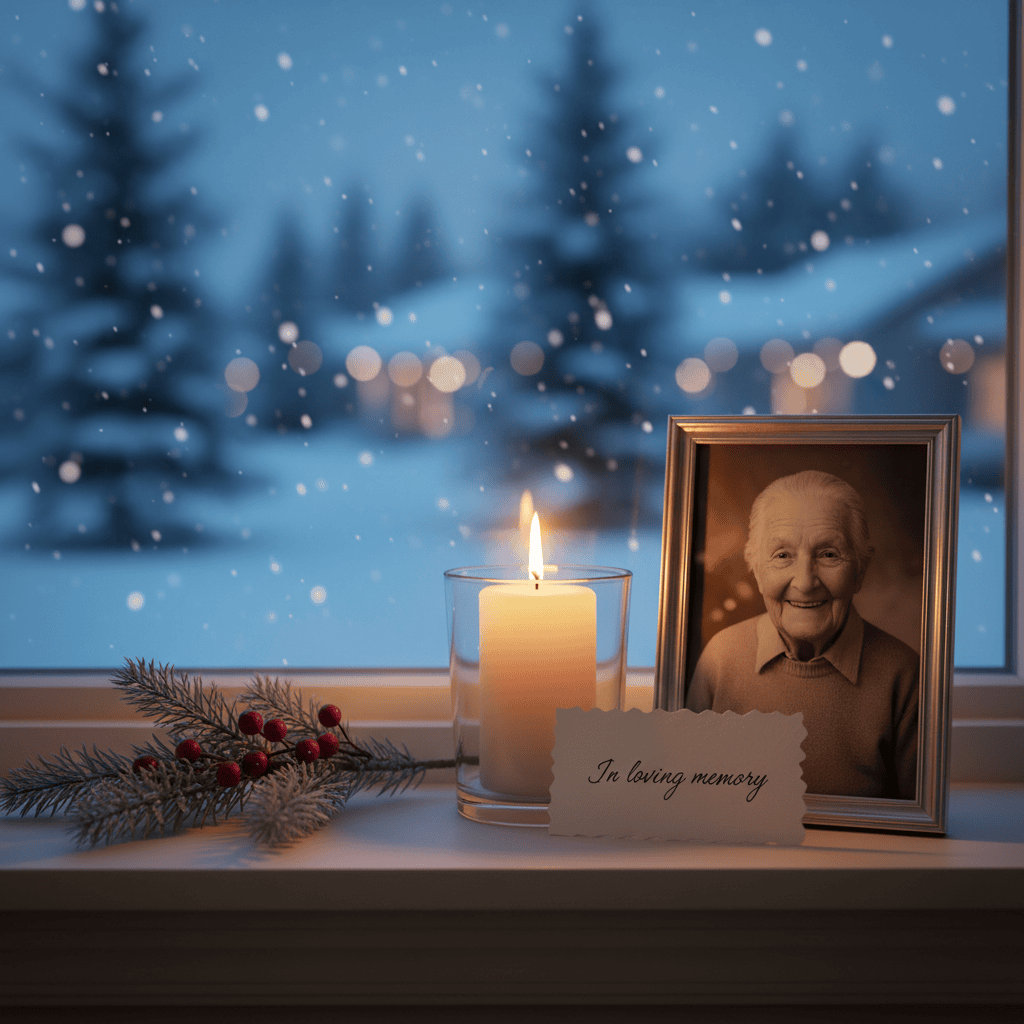
The holidays are mostly seen as a time of joy, togetherness, and celebration, but when you’re grieving, they can feel painfully different. Traditions can often bring back memories, familiar songs can awaken deep emotions, and the absence of a loved one may feel heavier than ever.
Finding peace during the holidays after losing a loved one doesn’t mean forcing happiness or pretending that you don’t feel any pain. It means allowing space for grief while gently seeking moments of comfort, meaning, and connection in your own way. This season can still hold room for remembrance, healing, and quiet peace, even if it looks different than before.
Understanding that these reactions are a natural part of coping with grief during the holidays can help ease self-judgment and remind you that there is no right or wrong way to feel during this time.
Why the Holidays Can Feel Especially Difficult
For many people, grief and the holiday season combine in ways that intensify emotions and make an already painful loss feel even heavier. Festive periods are filled with reminders like family gatherings, traditions, music, and rituals that can act as powerful emotional triggers. Even small moments, such as setting an extra place at the table or hearing a familiar holiday song, can unexpectedly revive feelings of sadness and longing.
There’s also an unspoken pressure during this time of year to appear joyful, grateful, and celebratory. When you’re grieving, this expectation can feel overwhelming and isolating, as if your pain doesn’t fit the season. Many people struggle with guilt for not feeling festive enough or for wanting to step back from celebrations altogether.
It’s common to experience a mix of emotions, including deep sadness, emotional exhaustion, irritability, or even guilt for moments of laughter or relief. Understanding that these reactions are a natural part of coping with grief during the holidays can help ease self-judgment and remind you that there is no right or wrong way to feel during this time.
Healthy Ways to Cope With Grief During the Holiday Season
When loss is still fresh, or even years later, the holidays can stir emotions that feel difficult to manage. One of the most important steps in navigating grief in festive seasons is allowing yourself to feel whatever comes up without judgment. Sadness, anger, longing, and even moments of peace can coexist. Permitting yourself to experience these emotions, rather than suppressing them, can be a meaningful part of healing.
Adjusting traditions can also ease emotional strain. You may choose to simplify celebrations, skip certain events, or create new rituals that feel more manageable. Setting gentle boundaries protects your emotional well-being and helps you honor what you truly need during this time. For some, leaning into faith, prayer, or quiet reflection offers comfort and grounding, creating space for remembrance and inner calm.
Reaching out for connection is equally important. Whether through close friends, family members, or a supportive community, holiday grief support can remind you that you’re not alone in your experience. Sharing memories, emotions, or simply spending quiet time together can provide reassurance and strength when the season feels overwhelming.
Meaningful Ways to Honor a Loved One During the Holidays
Finding gentle, personal ways of honoring a loved one during the holidays can bring comfort and a sense of connection. These holiday remembrance ideas don’t need to be elaborate, what matters most is that they feel meaningful to you.
- Lighting a candle in their memory
Set aside a quiet moment to light a candle, whether during a holiday meal, a prayer, or a peaceful evening alone. This simple act can symbolize love, remembrance, and presence.
- Preparing their favorite meal
Cooking a dish they loved can be a powerful way to feel close to them. Sharing the story behind the recipe with others can turn the meal into a moment of connection and reflection.
- Sharing stories or photos
Looking through photos or telling stories keeps their memory alive and invites others to remember them with you. Laughter and tears are both welcome parts of this process.
- Creating a keepsake or memory ornament
A handmade ornament, framed note, or small keepsake can become a lasting tribute, something you bring out each year as a reminder of enduring love.

Finding Peace Through Faith and Reflection
For many people, faith becomes a steady anchor during times of loss, especially during the holidays. Turning to scripture, prayer, or quiet reflection can support emotional healing during the holidays, offering comfort when words feel insufficient. Bible verses that speak of peace, hope, and God’s presence, such as reminders that we are not alone in sorrow, can provide reassurance and a sense of spiritual grounding.
Faith-based coping strategies may include prayer, attending services, journaling reflections, or simply sitting in silence with meaningful passages. These practices allow space to release pain, express longing, and invite peace without pressure to move on. Scripture can serve as a calming presence to help you steady the heart during moments of emotional overwhelm.
Rather than taking grief away, faith often helps people carry it differently, with gentleness, patience, and hope. Through reflection and spiritual connection, many find moments of calm that make the season feel a little more bearable, even during loss.
Creating New Traditions While Preserving Old Ones
As seasons change, so can the way you approach the holidays. Blending familiar routines with gentle new practices can make the experience feel more manageable and meaningful. You might keep a cherished tradition that brings comfort while introducing something new that reflects where you are now, such as a quieter celebration, a reflective walk, or a moment set aside for remembrance. These small adjustments can serve as practical grief tips for the holidays to stay connected without feeling overwhelmed.
It’s also important to give yourself permission to change expectations. The holidays don’t have to look the way they once did, and that’s okay. Letting go of pressure, whether it comes from others or from yourself, creates space to honor your loss and your needs. By allowing flexibility, you can move through the season with greater compassion for yourself and openness to moments of peace.
When Grief Feels Overwhelming
There may be moments when the weight of loss feels too heavy to carry alone, especially during the holidays. If sadness becomes constant, daily functioning feels difficult, or emotions feel unmanageable, it may be time to consider grief counseling or a support group.
Seeking help doesn’t mean you’re failing, it means you’re acknowledging your pain and choosing care. For many, learning how to deal with loss during Christmas is not something that comes naturally, and guidance can make a meaningful difference.
Professional support offers a safe space to talk openly, process complex emotions, and develop healthy coping tools. Counselors, therapists, and grief groups understand the unique challenges of mourning during the holidays and can help normalize your experience.
Reaching out for help is a healthy, compassionate step, one that honors your grief and your well-being.
Comforting Resources to Support Your Healing
The holiday season can be especially challenging after losing a loved one, but gentle strategies and support can help. Focusing on coping with grief during the holidays means permitting yourself to feel your emotions, honoring memories in meaningful ways, and seeking support when needed.
Whether through quiet reflection, sharing stories, creating new traditions, or using resources like grief‑support articles and memorial keepsakes, you can find moments of comfort and peace. Remember, healing doesn’t happen all at once, and taking small, intentional steps can help you navigate the season with compassion for yourself and enduring love for those you’ve lost.
