
Types of Funeral Services: Traditional Funeral Services
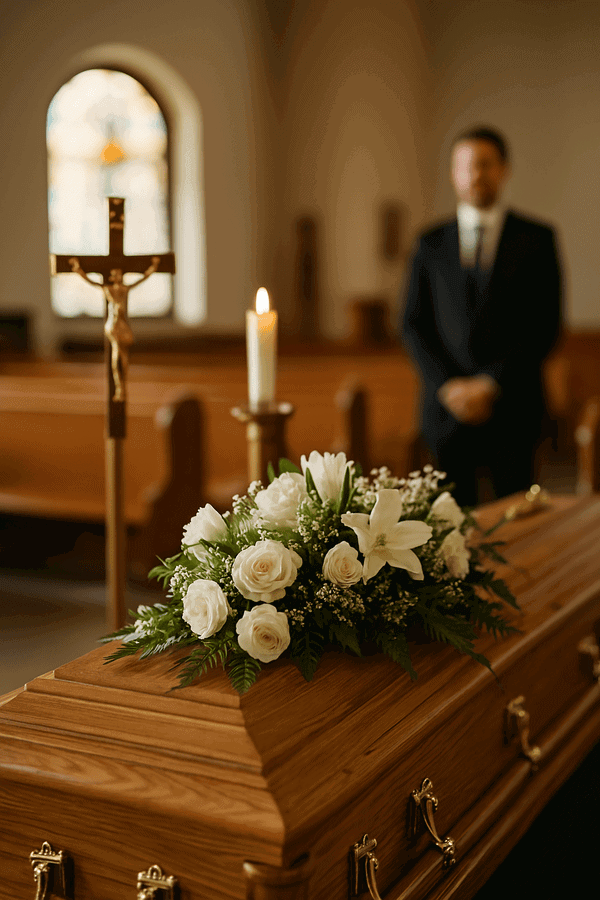
Funeral planning can be overwhelming, especially when handling the variety of services. Conventional funeral services remain one of the most sought-after options and are defined by their structured and tried-and-true method. Understanding what a traditional funeral entails assists families in making informed decisions in an otherwise difficult time. Traditional funeral ceremonies are of significant religious […]
Types of Funeral Services: Direct Cremation

Direct cremation is one of the options that is widely used nowadays because it offers the simplest and lowest-cost funeral possibility. It contrasts with regular funerals because the latter doesn’t involve any solemn ceremony. The emphasis, therefore, falls only on the simple process of the cremation as such so that families have more time later […]
Types of Funeral Services: Memorial Services
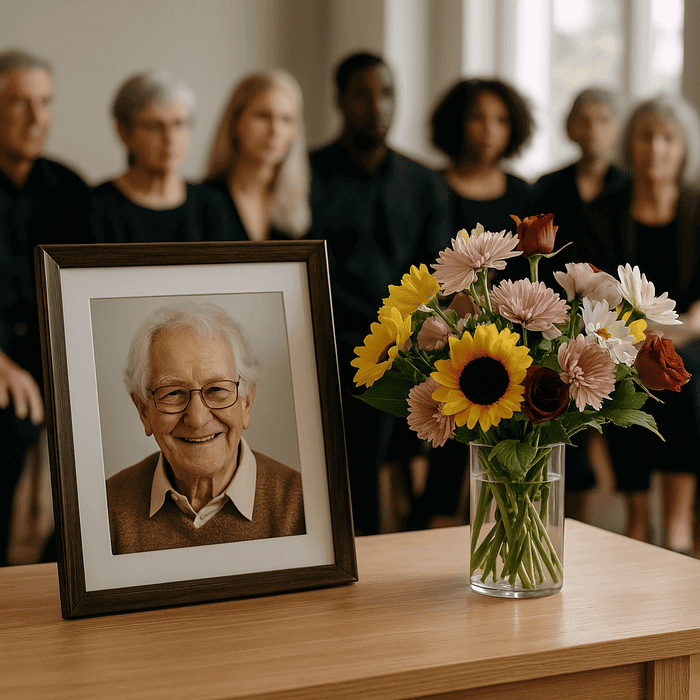
Memorial services are an honorable way to honor a deceased loved one without following the tradition of a standard funeral. While families often choose based on the difference between a funeral vs. memorial vs. celebration, memorial services are unique in that they are most often held without the presence of the body, focusing more on […]
Orthodox Christian Funerals
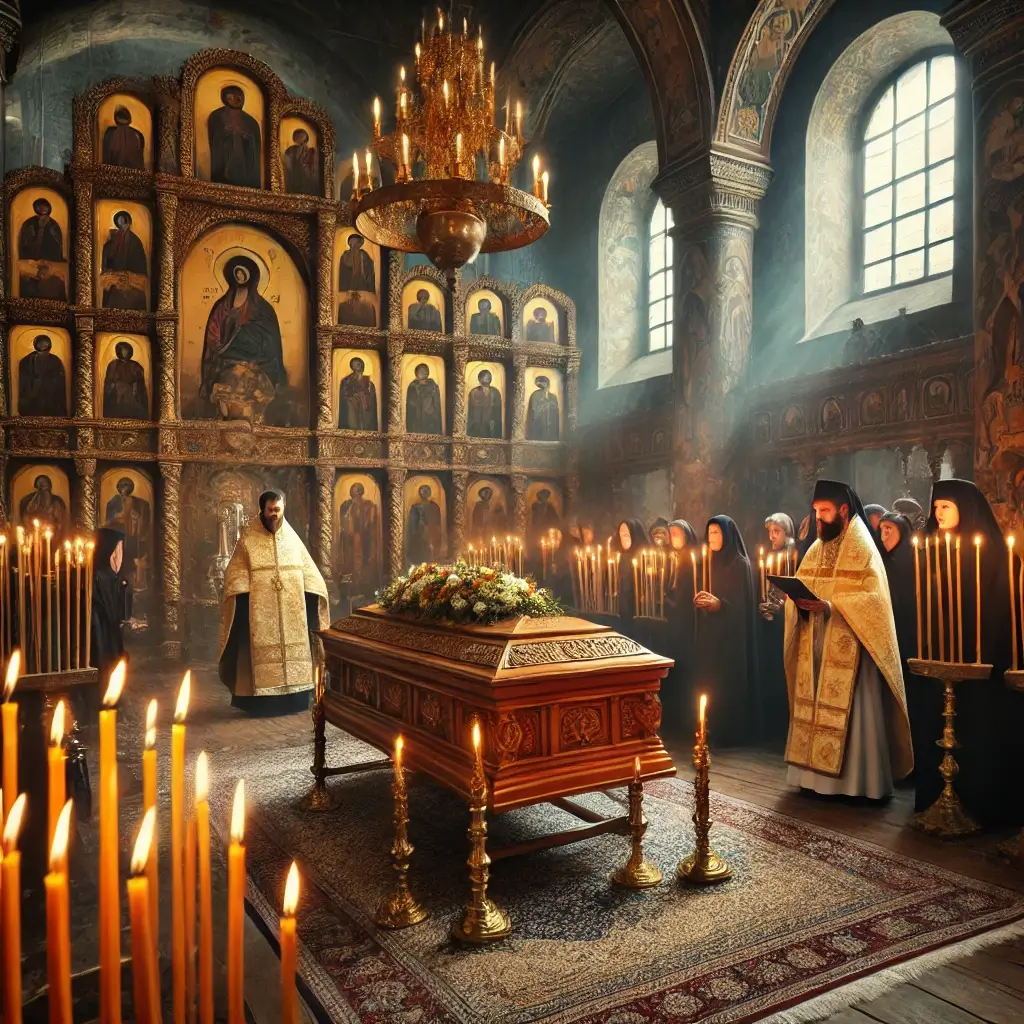
Orthodox Christian funerals represent a profoundly symbolic and ordered ritual that expresses belief in resurrection and eternal life. Centuries-old traditions provide a service that is solemn yet hopeful, comforting the bereaved while praying for the peaceful transference of a departed soul into the afterlife. Unlike most of the other Christian denominations, Orthodox funerals are conducted […]
Hindu Funeral Rites

Death practices in Hinduism are symbol- and tradition-heavy. These practices honor the deceased and guide the soul into its subsequent stage in life in the cycle of living. Reincarnation and karma, two precepts at the core of Hindu thought, preside over life and death in Hindu belief. Death is as much a turning point as […]
Mormon Funeral Services

Funerals for Mormons are based in The Church of Jesus Christ of Latter-day Saints (LDS) doctrine and revolve around eternal life, faith, and family. Mortality is a continuation rather than cessation, and the soul persists with its existence into the next phase of existence in the hereafter. A funeral is a recognition of the one […]
Protestant Funeral Services
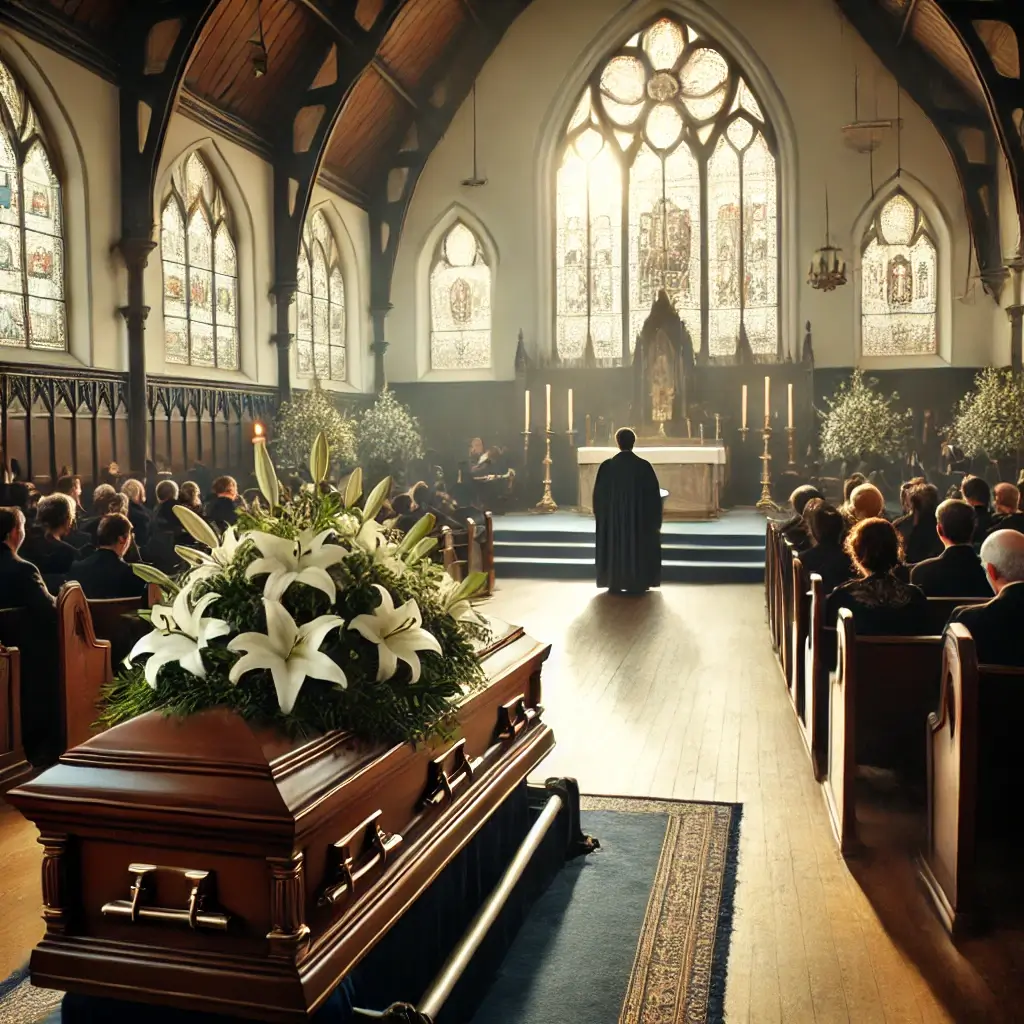
In Protestant Christianity, funerals are steeped in spiritual meaning. While denominational differences are in place, the central theme-one of celebration for the life of the loved one while reaffirming faith in God’s promise of eternal life-remains the same. Unlike other, more ritualized religious services, Protestant funeral services tend to be less structured, with great freedom […]
Jewish Funeral Practices
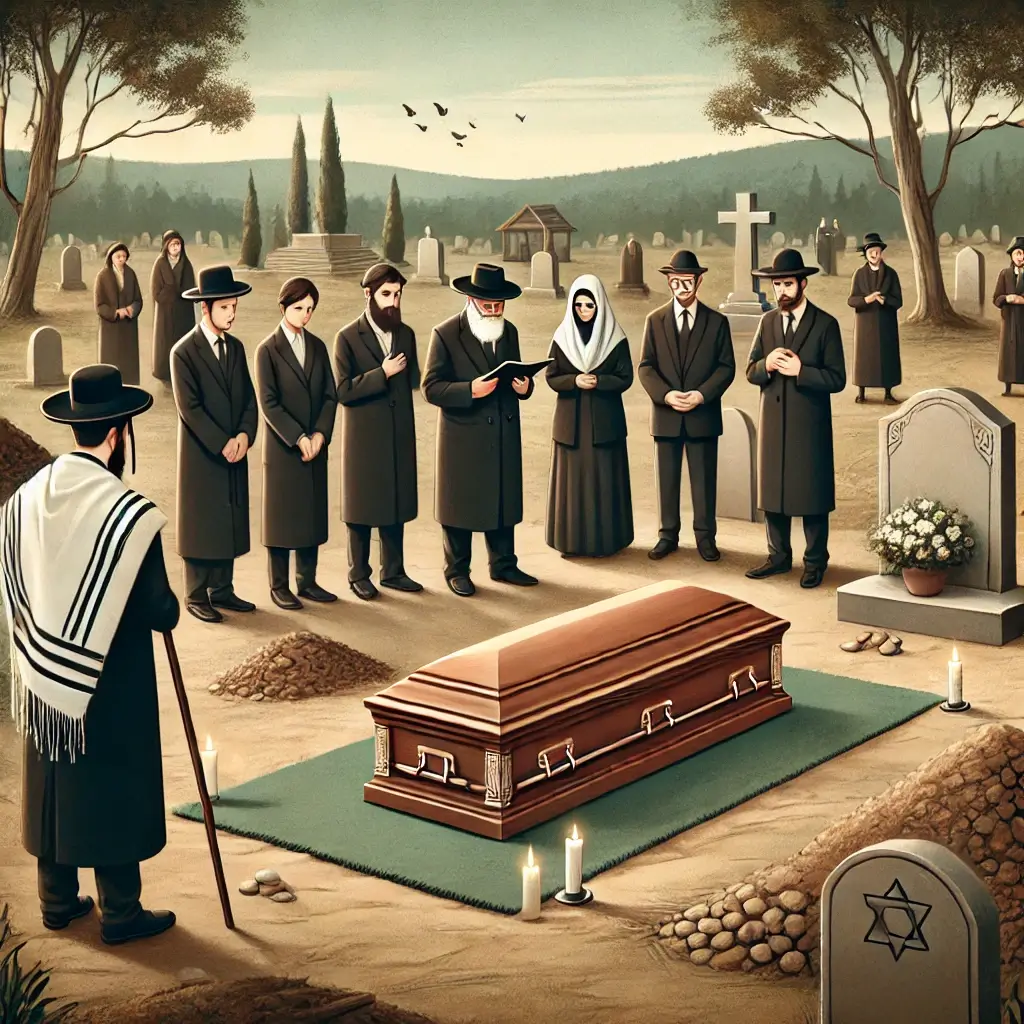
Jewish funeral practices are based on humility, dignity, and tradition. They attempt to honor the dead while consoled and comforting the mourners. Drawing from Jewish law (Halacha), the traditions reflect basic principles about life, death, and the afterlife. The practices esteem simplicity, equality in death, and keeping the dead with dignity. Overview of Jewish Beliefs […]
Pagan and Wiccan Funeral Rites
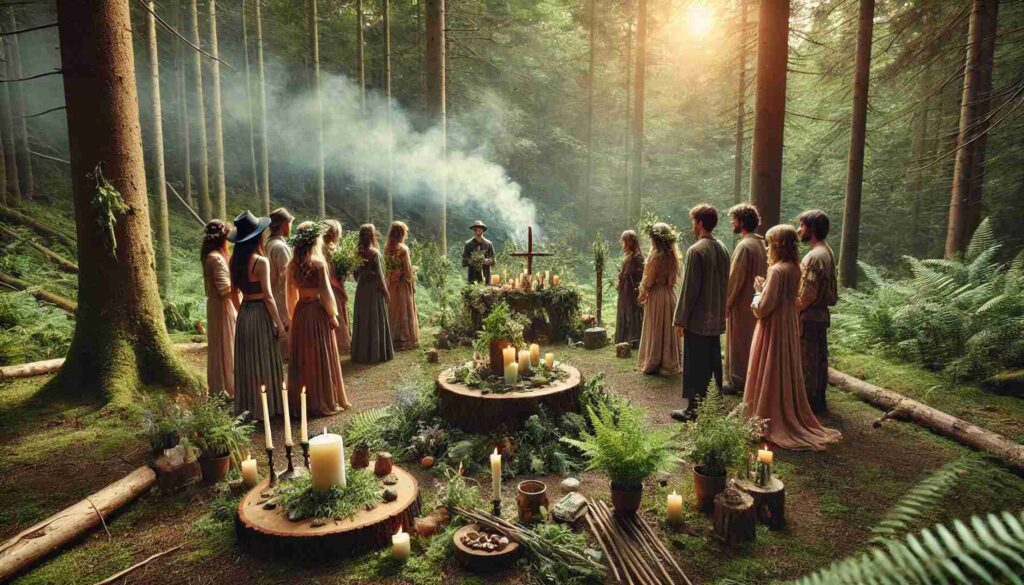
Pagan and Wiccan funeral rituals demonstrate an intimate connection with nature, spirituality, and the wheel of life and death. Unlike many standard religious practices, these rituals emphasize the soul’s journey, the balancing of the elements, and celebrating the passage from one stage of life to another. Ghanaian funeral traditions can also reflect a deep connection […]
Chinese Funeral Practices: Traditions, Ancestral Worship & Mourning Rites
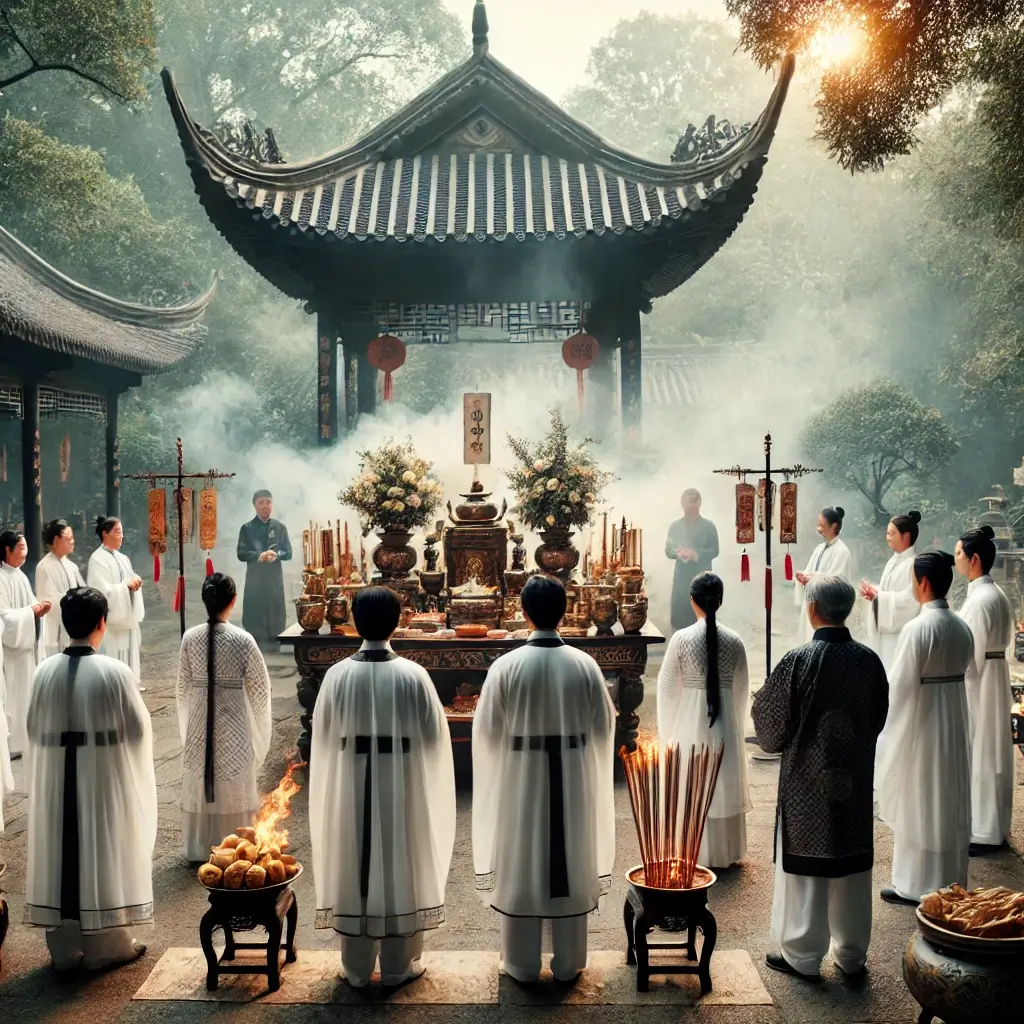
Death is of immense importance in Chinese culture, based on centuries of tradition and religious beliefs. Funerals are a means of respecting the dead, guaranteeing a smooth transition to the afterlife, and maintaining filial piety values. Much like traditional Korean funeral customs, ancestor worship plays a key role, with families holding the belief that deceased […]
