The holidays are often portrayed as a time of joy, connection, and celebration, but for many people, they can also bring a deeper sense of loss. How to cope with grief during the holiday season is a question countless individuals quietly carry as traditions, gatherings, and familiar moments highlight the absence of someone they love. If you’re feeling overwhelmed, lonely, or emotionally drained during this time, it’s important to know that these reactions are normal and deeply human.
Grief doesn’t pause for festive calendars, and the pressure to feel cheerful can make the pain feel even heavier. You may be missing a parent, partner, friend, or family member. In any such situation, your emotions are valid, and there is no right way to experience the holidays after loss. This article is here to offer gentle guidance, practical support, and meaningful ideas to help you navigate the season with compassion for yourself, while also finding ways to remember and honor the person who will always hold a place in your heart.
The holidays have a way of bringing emotions to the surface, especially when you’re already carrying loss. Everywhere you look, there’s laughter, decorations, and reminders that this is supposed to be a happy time. When your heart doesn’t match that mood, the contrast can feel emotionally heavy. This is often why grief and the holidays feel so closely connected – joy around you can make the sadness inside feel louder.
Traditions can make things even harder. Sitting down for a family meal, decorating the tree, or revisiting familiar places may quietly highlight who isn’t there anymore. For those grieving a loved one during the holidays, these moments can feel bittersweet or even painful, rather than comforting. Add to that the unspoken pressure to smile, be social, and enjoy yourself, and it’s easy to feel misunderstood or alone. Holidays also tend to stir memories more strongly, acting like emotional milestones that bring the loss back into focus, even when you thought you were coping okay.
First and foremost, permit yourself to feel whatever comes up. Sadness, anger, emptiness, or even numbness are all natural responses to loss. There’s no emotional checklist you need to complete and no timeline you’re required to follow. Coping with grief during the holidays often begins with accepting that your experience may look very different from those around you, and that’s okay.
It can also help to set gentle boundaries. You’re allowed to say no to events, leave gatherings early, or skip traditions that feel like too much this year. Simplifying plans or adjusting long-standing routines can reduce stress and give you room to breathe. Sometimes that means celebrating quietly, doing something entirely new, or letting go of expectations altogether.
Grief can feel isolating, but you don’t have to carry it alone. Reaching out to trusted friends, family members, support groups, or spiritual communities can provide much-needed emotional support during the holiday season. Even small moments of connection – a phone call, a walk with someone who listens, or shared silence can make a difference. Alongside that, creating a simple self-care plan can help ground you. Prioritize rest, build in quiet time, and choose calming activities that feel nurturing rather than demanding.
Finding ways to honor a loved one during the holidays can bring comfort, even when the season feels heavy. Simple, intentional acts often hold the most meaning. Lighting a candle, setting an empty chair at the table, or pausing for a quiet moment of reflection can acknowledge their presence in your heart without stressing the whole day.
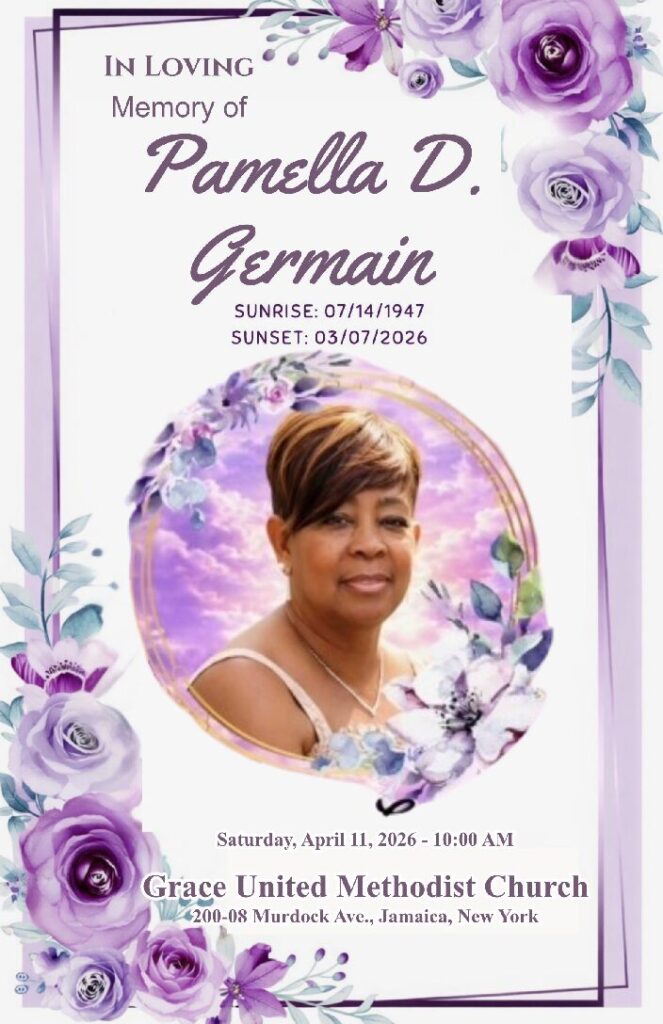
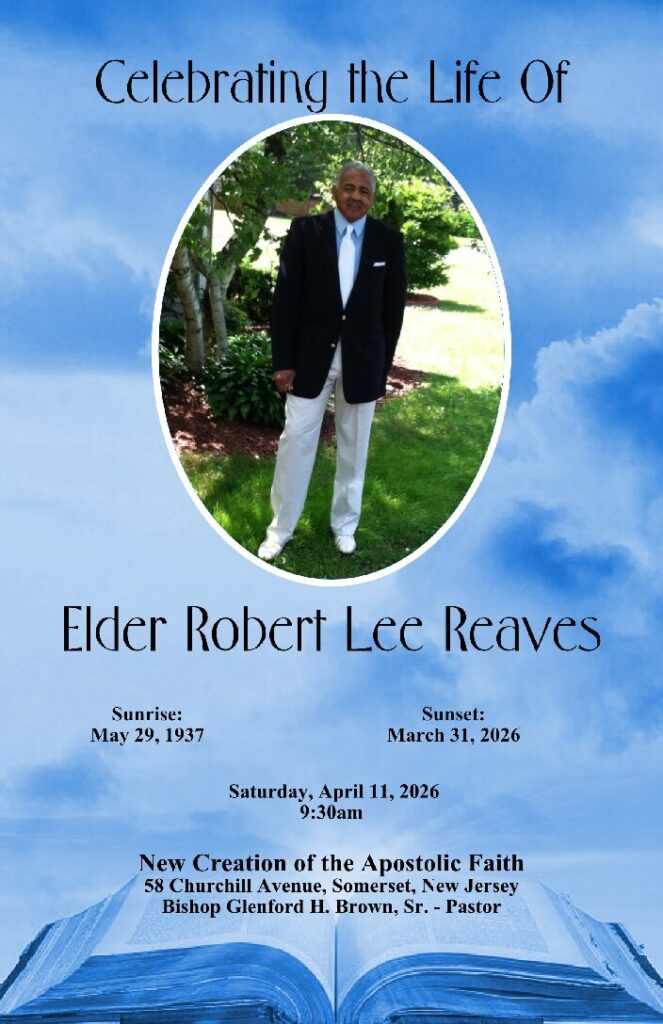
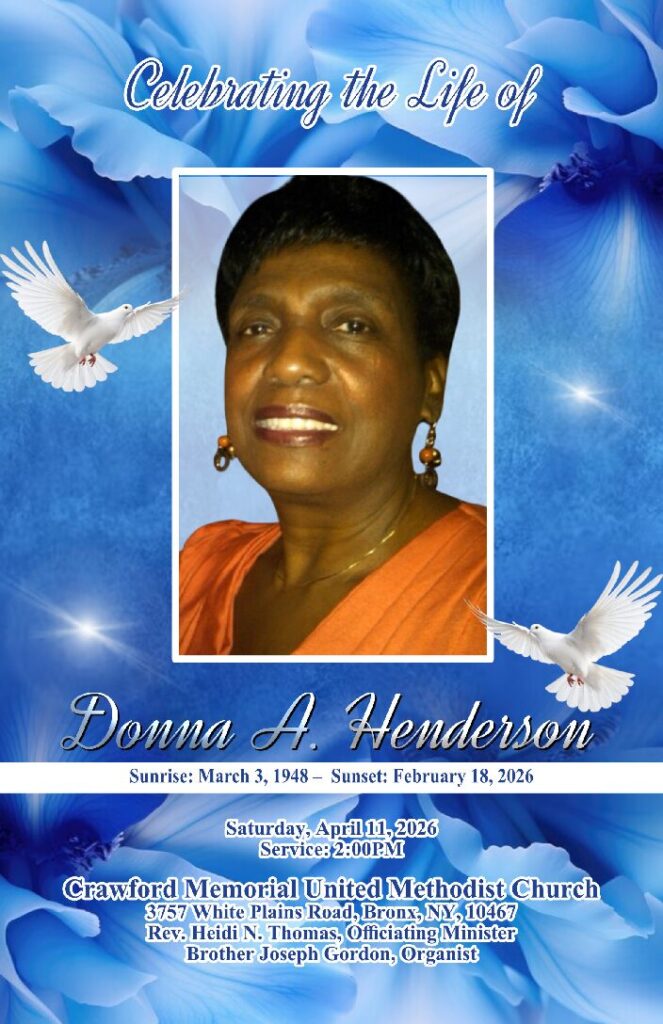
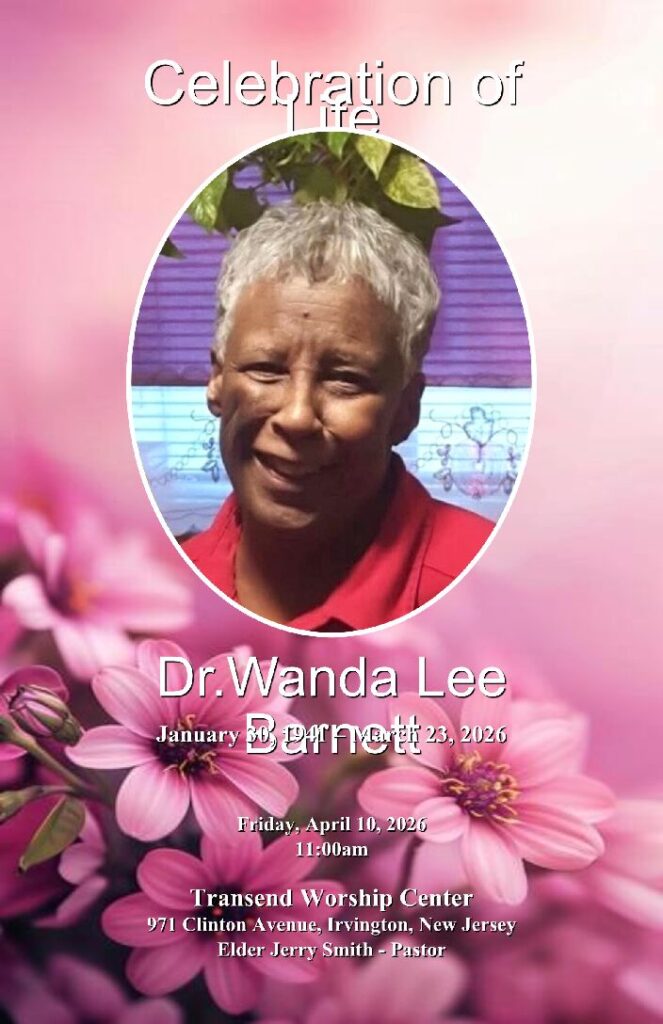
Many people find healing in creating something tangible. A memorial ornament, a small photo display, or a personalized keepsake can become part of your holiday space in a gentle, comforting way. Preparing their favorite recipe or baking something they loved can also feel like a shared moment, especially when paired with memories or stories passed around the table. You can also visit a gravesite or a place that held special meaning to feel a sense of connection, even if it’s done privately.
Acts of kindness are another meaningful option. Donating to a cause they cared about or volunteering in their name can transform grief into purpose. These kinds of holiday remembrance ideas allow you to honor their legacy while doing something positive for others. If you’re looking for a lasting tribute, thoughtfully chosen items like memorial bookmarks, prayer cards, ornaments, or personalized keepsakes from Honor You can serve as quiet, respectful reminders that keep their memory close throughout the season.
Before gatherings even begin, check in with yourself and decide what you realistically need. Letting a close family member or friend know how you’re feeling, whether that means needing quiet moments, fewer questions, or flexibility, can ease some of the emotional weight. Clear and simple communication often prevents misunderstandings and allows others to support you in more thoughtful ways.
When you have a plan for social events, you will feel less emotional. This might mean driving yourself so you can leave when needed, stepping outside for fresh air, or setting a time limit in advance. Permitting yourself to leave early isn’t a failure, it’s an act of self-respect, especially when managing grief at holidays requires conserving emotional energy.
Some families find comfort in acknowledging the loss together. A brief remembrance moment, such as sharing a story, lighting a candle, or saying their name, can create space for grief and connection. These small gestures can reduce the pressure to pretend everything is fine and help everyone feel seen during a time that can be especially challenging for those experiencing grief and the holidays together.
The holidays can stir up a mix of emotions, and sometimes a few gentle words are all it takes to bring a little comfort. Reading, speaking, or simply thinking of uplifting phrases can remind you that grief is a reflection of love, not something to hide or fight. Here are some that may be comforting to you:
You can also create your own short prayers or affirmations, like, I honor their memory with love and kindness today. Simple words like these can offer a quiet moment of comfort, helping you feel connected to your loved one and also gently easing the heaviness of the season.
There are times when grief can feel heavier than we expect, especially during the holidays, and it’s important to notice when you might need extra support. You might find yourself feeling persistently sad, struggling to sleep or eat, or feeling anxious or tense at the thought of holiday gatherings. These are signs that reaching out for help isn’t a weakness, it’s a healthy and necessary step.
Talking with a counselor, joining a grief support group, or simply connecting with someone who understands can provide a safe space to share your feelings and memories. These holiday grief tips can help you feel less alone and give you practical ways to manage the season.
Remember, asking for help is an act of self-care. Seeking support allows you to navigate your emotions with compassion and gives space to honor your grief while still finding moments of peace during the holidays.
Grief during the holidays is a natural part of loving someone you’ve lost, and it’s normal for Christmas, Thanksgiving, or other celebrations to feel heavy or different. There’s no single right way to navigate these moments, and the most important thing is to do what feels right for you. Whether that means keeping familiar traditions, creating new rituals, or taking quiet time for yourself, honoring your own needs is key to managing grief at Christmas / Thanksgiving/holidays.
Being gentle with yourself and seeking support when needed can make a real difference. Simple acts of remembrance, such as lighting a candle, sharing a story, or keeping a cherished memento close, can bring comfort and a sense of connection. Thoughtful items like memorial bookmarks, prayer cards, ornaments, or personalized keepsakes from Honor You can serve as quiet, meaningful reminders of your loved ones, helping make the holidays a little softer, more personal, and full of lasting memories.