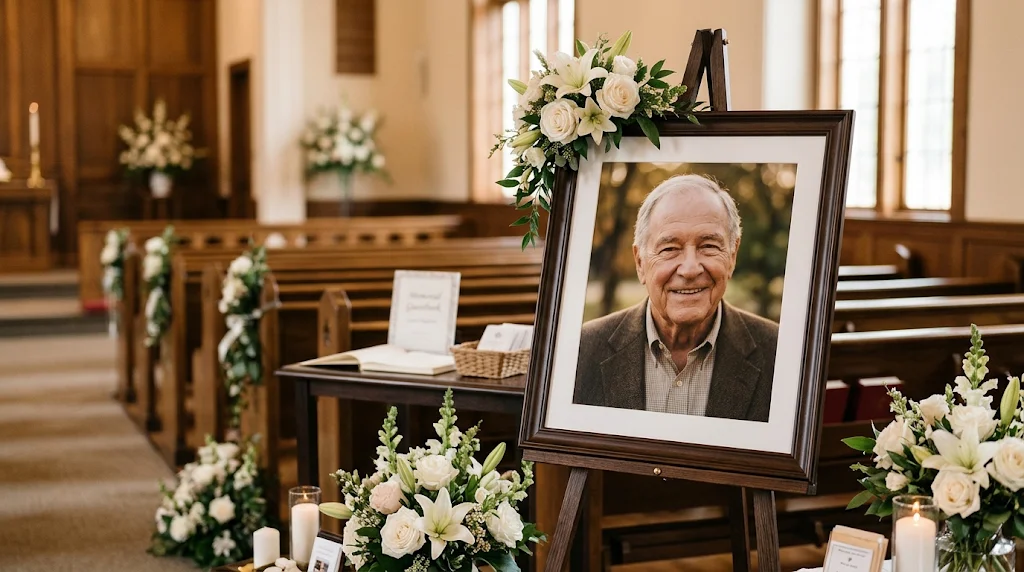
When stepping into a funeral home, church sanctuary, or reception hall, our eyes naturally search for a familiar face. Amid the quiet hush and shared sorrow of a service, a funeral portrait serves as the central visual anchor of the room. It cuts through the sterile formality of grief, immediately establishing that this gathering is an intentional, deeply personal tribute to a unique life. Whether positioned on a dignified wooden easel beside the casket, resting next to a memorial urn, or welcoming guests at the entrance, this single image crystallizes a lifetime of affection into a clear focal point for remembrance.
For grieving family members, selecting and preparing a memorial portrait is both an act of love and a practical challenge. In the blur of planning a visitation, service, and reception, deciding on the right picture, standard dimensions, framing materials, and display locations can feel overwhelming. A thoughtfully selected portrait does more than honor tradition—it invites visitors to pause, reflect, and share stories that celebrate who the person was at their very core.
This comprehensive guide walks you through every step of preparing a funeral portrait, from selecting a photograph that captures their true spirit to navigating print dimensions, framing techniques, and service display etiquette.
The Power of Visual Memory: A memorial portrait does not merely confirm a presence; it awakens the room. It reminds every person in attendance why they gathered—not simply to mourn a passing, but to honor the light, laughter, and individuality that shaped their lives.
A funeral portrait is the primary photograph displayed during a wake, service, or celebration of life. Positioned at eye level near the casket, urn, or guestbook, it personalizes the ceremonial space, comforts grieving attendees, and serves as an enduring family keepsake long after the final service concludes.
The Role of a Funeral Portrait in Healing and Ceremony
At any memorial gathering, words can occasionally fall short. Music and eulogies capture pieces of a person’s life, but a visual portrait connects instantly on an emotional level. As friends, extended family, and coworkers arrive, seeing a warm, radiant likeness prompts spontaneous memories and comforting conversations.
The portrait acts as a steady companion throughout the service:
- Humanizing the Sacred Space: Chapels and funeral home viewing rooms can often feel quiet and solemn. An expressive photograph immediately infuses the environment with warmth and genuine character.
- A Comforting Presence for Cremation Services: When an urn is present rather than a traditional casket, a prominent celebration of life picture fills the visual space, providing an immediate focal point for the congregation during speeches and prayers.
- Sparking Shared Storytelling: A portrait often shows an expression, setting, or twinkle in the eye that attendees recognize immediately, prompting mourners to share joyful, comforting anecdotes as they mingle before and after the ceremony.
How to Choose the Best Photo
When families sit down with boxes of albums or scroll through smartphones, decision fatigue can set in quickly. Families often review similar criteria when choosing the right photos for your funeral programs, but selecting the single primary portrait requires an extra layer of clarity. Use the following guidelines to find an image that honors them naturally.
1. Capturing Their True Essence
Do not feel boxed in by outdated expectations that demand a stiff, formal studio headshot. The best photograph is one that feels unmistakably like them. If your loved one spent their life outdoors, an image on a sunlit hiking trail or in a garden captures their spirit far better than a passport-style portrait. Look for genuine smiles, natural posture, and clothing they actually felt comfortable wearing. Their eyes should look warm and welcoming to the viewer.
2. Recent Likeness vs. Defining Eras
A common dilemma is whether to display a recent photograph or one taken decades earlier:
- Recent Likeness: A contemporary photograph taken within the last two to five years helps recent acquaintances, younger grandchildren, and caregivers connect directly with the person they interacted with daily.
- The Defining Era: If the person experienced prolonged illness in their later years, families often prefer a photograph from their active, vibrant mid-life or younger years. This preserves their memory as they were in the prime of life.
- The Multi-Era Balance: If you cannot decide, use your primary portrait to highlight their defining prime, and assemble a complementary celebration of life poster board or a curated memory table to chronicle their childhood, wedding, career, and retirement years.
3. Solo Shots vs. Cropped Group Photos
Always strive to locate an original solo portrait. While it is tempting to crop someone out of a beloved family photo or wedding portrait, cropping usually produces noticeable drawbacks. The lighting on one side of their face may look unnatural, an amputated shoulder or arm from an adjacent person often lingers in the frame, and the resolution drops significantly when the cropped area is enlarged to display size.
4. Image Quality and Scanning Specifications
To ensure the finished print looks sharp from several feet away, file resolution is essential. If you are scanning a physical photographic print:
- Scan at a minimum of 300 DPI to 600 DPI (dots per inch) at a 100% scale.
- Avoid taking a photograph of a physical print with a smartphone; reflective glare and lens curvature will warp the final image. Use a flatbed scanner or a dedicated photo-scanning app.
- For digital smartphone photos, request the original high-resolution file rather than taking a screenshot or downloading a compressed version sent via standard SMS. For more scanning and clarity tips, review these 5 tips for selecting the right photo for a funeral program.
Standard Funeral Portrait Sizes and Formats
Choosing the right funeral photo size depends entirely on where the picture will be stationed inside the facility. A print that looks balanced on a private guestbook table will appear lost when placed near a wide altar, while a poster-sized centerpiece will overwhelm a narrow registry podium.
| Size Dimensions | Best Service Location | Recommended Format | Visibility Range |
|---|---|---|---|
| 8″ x 10″ | Guestbook table, memory table, or beside an urn | Tabletop frame with non-glare glass | Close-up (1 to 4 feet) |
| 16″ x 20″ | Easel beside casket, podium, or chapel altar | Foam board mount, canvas wrap, or classic frame | Medium distance (5 to 15 feet) |
| 18″ x 24″ | Primary sanctuary centerpiece, chapel entrance | Gallery canvas or sturdy mounted print | Optimal for mid-to-large chapels (10 to 25 feet) |
| 24″ x 36″ | Auditoriums, large worship centers, outdoor pavilions | Rigid foam core board or lightweight canvas | Large halls (25+ feet) |
Canvas Wrap vs. Traditional Framed Print
When preparing a memorial easel photo, families generally choose between two primary mediums:
- Gallery-Wrapped Canvas: Stretched over an internal wooden frame, canvas prints provide a clean, modern, and rimless appearance. Because they have no glass covering, canvas prints are completely glare-free under bright chapel spotlights and funeral home chandeliers. They are also remarkably lightweight, making them stable and safe on display easels.
- Framed Print: Framing a picture for a funeral in wood, brass, or silver adds timeless elegance and weight. However, standard framing glass can act as a mirror under direct room lighting, obscuring the portrait from seated mourners. If choosing a traditional frame, always install matte or anti-glare reflection-control glass, or remove the glass front entirely during the service.
Photo Editing, Restoration, and Printing Logistics
Few family photographs are naturally print-ready for large displays. Everyday photos frequently include background distractions, slightly skewed lighting, or age-related blemishes.
Minor Retouching and Background Adjustments
Gentle digital adjustments can elevate an ordinary snapshot into a stunning memorial centerpiece:
- Softening Distractions: If the best photograph of your loved one was taken in a crowded living room or restaurant, ask a designer or photo lab to softly blur or feather the background into a neutral vignette.
- Dust, Scratch, and Crease Removal: Vintage family prints often suffer from small paper fractures, yellowing, or dust specks. Basic digital restoration removes these imperfections without altering the person’s natural facial features.
- Balanced Color Grading: Minor exposure boosts bring clarity to shadowed eyes and restore natural skin tones, ensuring the photo reproduces beautifully when printed at large scale.
Managing Tight Deadlines and Rush Printing
Funeral arrangements often happen within a window of three to five days. Ordering an online custom frame or specialty canvas with five-day standard shipping may not meet your timeline.
If time is running short, turn to local print suppliers. Many local commercial printers, stationery shops, office supply stores, and community pharmacies offer reliable same-day or 24-hour large-format printing. Request that your 16″ x 20″ or 18″ x 24″ print be mounted directly onto a rigid foam core board. Foam core prints sit securely on any display easel without sagging or bending, eliminating the immediate need for a heavy glass frame.
Placement and Display Etiquette at the Service
Once the portrait is printed, thoughtful positioning ensures it receives the dignity and visibility it deserves. For a deeper look at staging visual tributes, discover the best ways to display photos at a funeral.
1. Beside the Casket or Urn
The primary memorial portrait is traditionally placed on a sturdy wooden or wrought-iron easel directly beside the casket or cremation arrangement. Position the easel at a 45-degree angle toward the seating area so that guests seated throughout the sanctuary or chapel have an unobstructed view. Set the height so the subject’s face rests roughly at sitting or standing eye level (around 5 to 5.5 feet from the floor).
2. Adding Floral and Fabric Accents
Elevate the easel presentation with tasteful surrounding accents. Florists can design a matching floral spray or corner garland that clips directly to the top corner of the frame. Alternatively, families often drape a soft silk sash, a military service flag, or a treasured tartan scarf over the corner of the frame to reflect the individual’s personal heritage or passions.
3. Entrance and Welcome Displays
If your primary portrait is placed at the altar, placing a secondary 8″ x 10″ framed portrait at the entrance foyer creates an immediate greeting for arriving attendees. Situate this portrait directly beside the guestbook register, memorial prayer cards, and service bulletins so guests are welcomed by their smile before taking their seats.
Frequently Asked Questions About Funeral Portraits
Does the person have to be smiling in a funeral portrait?
No. While a gentle, open smile brings significant comfort to grieving guests, authenticity is what matters most. If the individual had a thoughtful, reserved, or stoic personality, an image that captures their quiet dignity is completely appropriate and far more meaningful than a forced grin.
What should the family do with the portrait after the service?
After the ceremonies, the portrait remains a cherished family keepsake. Many households hang an 18″ x 24″ canvas or framed print prominently on a family gallery wall, home study, or living room mantel. Alternatively, you can order smaller 5″ x 7″ or 8″ x 10″ duplicates to distribute to children, siblings, and close relatives as personal remembrance gifts.
Can we display more than one portrait during the service?
Yes. It is very common to have one central large-format portrait placed on an easel by the casket or podium, accompanied by a dedicated memory table featuring several smaller framed photos. These smaller prints can display the person at various pivotal milestones, such as their wedding day, military service, graduation, or holding their first grandchild.
Preserving a lifetime of character and connection begins with honoring the moments that defined your loved one. Whether displayed on a stately chapel easel, beside a memorial urn, or nestled among floral tributes, a funeral portrait keeps their radiant spirit at the heart of your gathering. Complement your visual tributes with personalized memorial programs, custom prayer cards, and meaningful stationery to create a celebration of life filled with warmth, dignity, and enduring love.