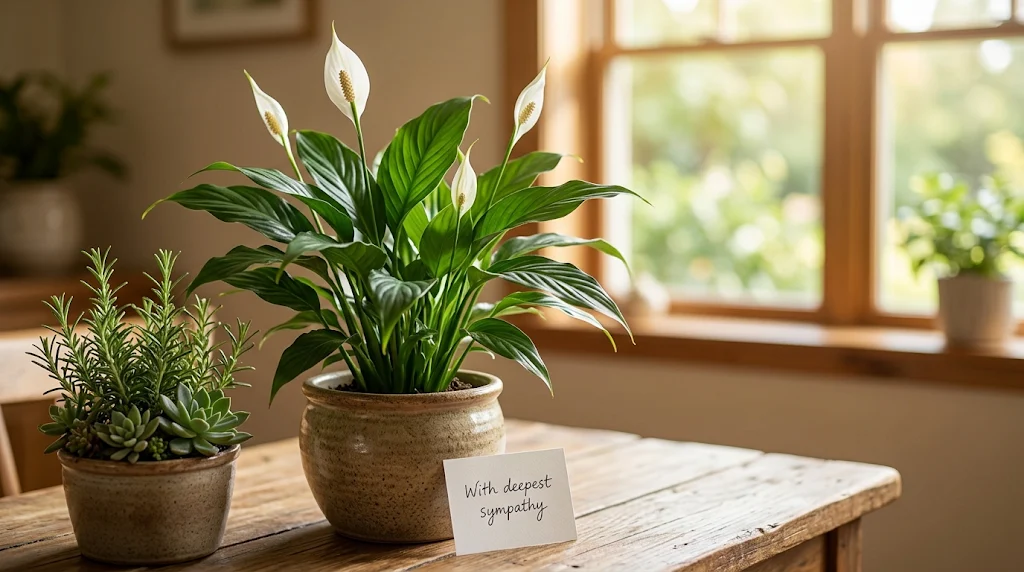
When loss touches a family, finding the right way to convey heartfelt condolences can feel overwhelming. In the tender, quiet days following a bereavement, words often seem inadequate to express the depth of our compassion. We search for tangible gestures that show grieving friends, colleagues, or relatives that they are held in our thoughts. While cut flowers have long been a customary expression of solace, a growing number of people are turning to funeral plants as living, enduring tributes to honor a life well-lived.
Unlike cut stems that naturally fade within days, living sympathy plants remain. They take root in the recipient’s home, gently unfurling new leaves and blossoms as weeks turn into months. In this way, a sympathy plant acts as a comforting companion through the natural rhythms of bereavement—a quiet, constant reminder that love, memory, and support endure long after the final service has concluded.
Whether you are searching for the best plants for a funeral service or arranging thoughtful funeral plant delivery directly to a grieving family’s residence, this comprehensive guide explores what funeral plants symbolize, how to choose the right variety, and how to write a meaningful condolence message.
A Living Tribute of Remembrance: Grief is not a linear journey that concludes when the service ends; it is an ongoing process of healing. A funeral plant provides a tactile, breathing presence in the home—a testament that while a loved one has passed, the bond shared with them continues to grow and flourish in memory.
Funeral plants symbolize enduring love, spiritual peace, resilience, and the rebirth of the soul. Because they are living organisms that continue to thrive with basic care, sympathy plants represent the ongoing legacy of the deceased and offer a lasting source of comfort to surviving family members.
The Meaning Behind Funeral Plants
To choose an appropriate memorial gift, it helps to understand the distinct emotional roles played by cut arrangements versus potted greenery. When planning memorial honors, many families explore diverse funeral flower arrangement ideas, each serving an intentional ceremonial purpose.
Traditional cut floral arrangements—such as a grand casket tribute, a formal standing funeral spray, or circular wreaths detailed in our guide to funeral wreaths—are created specifically for the memorial space. They provide vivid color, fragrant beauty, and immediate visual honor during the visitation, church service, or graveside ceremony. However, because their lifespans are brief, they are usually left at the cemetery or disposed of once the ceremonies conclude.
In contrast, funeral plants are living botanicals potted in nutrient-rich soil. Rather than being confined to the sanctuary or chapel, they are designed to transition smoothly into the everyday sanctuary of the family home. Potted sympathy plants bridge the gap between public mourning and private healing:
- Permanence and Continuity: A living plant does not wither after a few days. It provides a tactile anchor that honors a loved one’s presence over the coming seasons.
- A Therapeutic Focus: Tending to a living plant—watering it, wiping its leaves, and giving it sunlight—offers a gentle, restorative routine for individuals navigating the heavy fog of acute grief.
- A Personal Keepsake: While cut funeral bouquets are shared among the congregation, a potted sympathy plant is often adopted by a specific family member, becoming a cherished family heirloom.
Top Funeral Plants to Send (and What They Symbolize)
Every plant carries its own unique botanical heritage and emotional language. Selecting the right species allows you to communicate a nuanced, heartfelt message tailored to the departed person’s character and the family’s needs.
1. Peace Lily (Spathiphyllum)
The peace lily for funeral tributes is indisputably the gold standard of sympathy botanicals. With its glossy, deep green foliage and elegant white spathes (which resemble white flags of surrender or peace), the peace lily represents peace, spiritual purity, and the rebirth of the soul. Beyond its profound spiritual meaning, the peace lily is celebrated for its forgiving nature. It thrives in low-to-medium indirect light and visibly droops when thirsty, clearly communicating its needs to a distracted or grieving caregiver before bouncing back rapidly once watered.
2. White Orchid (Phalaenopsis)
Exquisite, refined, and sculptural, the white moth orchid conveys enduring, unconditional love and respect. White orchids bring a sense of serene dignity to both the funeral home and the living room. Unlike cut flowers that drop their petals quickly, an orchid in bloom can maintain its pristine blossoms for up to three months. Orchids require bright, indirect sunlight and measured watering (allowing the potting medium to dry out slightly between waterings), making them an exceptional sympathy gift for someone who appreciates timeless elegance.
3. Rosemary & Forget-Me-Nots
For centuries, herbal folklore and literature have linked specific botanicals directly to remembrance. Rosemary—heralded in Shakespeare’s Hamlet with the famous phrase, “There’s rosemary, that’s for remembrance”—symbolizes fidelity, memory, and eternal affection. Forget-me-nots carry an equally poignant name, serving as a promise that the deceased will never fade from the hearts of those left behind. Both botanicals offer refreshing fragrances and can be kept on a sunny windowsill before being transplanted directly into a garden bed as an enduring outdoor memorial.
4. Succulents & Cacti Dish Gardens
While traditional arrangements emphasize soft blooms, modern sympathy gifts increasingly incorporate potted succulent gardens. Succulents symbolize resilience, inner fortitude, and enduring love that withstands harsh conditions. Because they store water in their fleshy leaves, succulents require virtually no maintenance, needing only occasional watering and a sunny ledge. For a grieving household overwhelmed by everyday tasks, a hardy succulent garden delivers deep beauty without placing any caregiving burdens on the family.
5. Chrysanthemums (Potted Mums)
Chrysanthemums occupy a fascinating place in global bereavement culture. In the United States, potted mums symbolize honor, loyalty, and celebration of a long life. In many European nations (including France, Italy, and Belgium) and parts of East Asia, white chrysanthemums are strictly reserved for funerals, symbolizing deep mourning and lamentation. When sent in clean white or soft pastel hues, potted chrysanthemums provide a rich, traditional tribute that honors formal customs.
6. White Lily (Lilium)
As one of the oldest ceremonial flowers in human history, the white lily represents the restored innocence of the departed soul and divine majesty. Often presented in blooming containers for Easter or formal church memorials, white lilies offer an unmistakable, sweet fragrance and regal blooms. They serve as a majestic, traditional funeral tribute, though special care must be taken regarding household pets.
| Sympathy Plant | Core Symbolism | Care Level | Ideal Placement |
|---|---|---|---|
| Peace Lily | Peace, purity, and renewal of the soul | Very Easy (tolerant of low light) | Indoor living room or office desk |
| White Orchid | Enduring, unconditional love and reverence | Moderate (requires filtered light) | Bright indoor tabletop or entryway |
| Rosemary / Forget-Me-Nots | Unfading remembrance and fidelity | Moderate (needs good drainage & sun) | Sunny kitchen sill or outdoor garden |
| Succulent Dish Garden | Resilience, strength, and endurance | Extremely Low (minimal watering) | Sunny ledge, bedside table, or workspace |
| White Chrysanthemum | Honor, devoted memory, and lamentation | Easy to Moderate | Covered porch, patio, or bright foyer |
How to Choose the Right Sympathy Plant
Selecting a sympathy plant requires thoughtful balance between aesthetic meaning and practical reality. When a family is walking through profound sorrow, their physical and emotional energy is limited. To ensure your gift remains a comforting blessing rather than an unintentional chore, keep these essential factors in mind:
1. Assess the Recipient’s Care Capacity
In the initial weeks of bereavement, even routine domestic chores like laundry or dishwashing can feel insurmountable. A finicky, high-maintenance botanical that begins dropping leaves or wilting after three days can inadvertently cause emotional distress to an already overwhelmed family. Opt for forgiving, resilient varieties—such as peace lilies, cast-iron plants, snake plants, or succulents—that tolerate missed waterings and fluctuating household conditions.
2. Verify Pet Safety
Before ordering a floral or plant delivery, consider whether the recipient shares their home with dogs or cats. Certain popular sympathy choices carry hidden hazards:
- True Lilies (Lilium and Hemerocallis): Highly dangerous to felines. Ingesting even small amounts of pollen, leaf matter, or vase water can trigger fatal kidney failure in cats.
- Peace Lilies: While not a “true lily,” Spathiphyllum contains insoluble calcium oxalate crystals that can cause oral irritation, drooling, and digestive distress in curious dogs or cats if chewed.
- Pet-Friendly Alternatives: If the family has indoor pets, consider completely non-toxic alternatives such as a Boston Fern, Cast Iron Plant (Aspidistra elatior), Phalaenopsis Orchid, or Peperomia.
3. Indoor Houseplants vs. Outdoor Memorial Plantings
Consider the living space of the recipient. If the grieving family lives in an apartment or condominium without private outdoor space, an indoor potted plant or compact terrarium is ideal. Conversely, if the family takes pride in their backyard or garden, sending a hardy perennial shrub (such as rosemary, hydrangeas, or an ornamental dogwood sapling) gives them a living monument they can plant in the earth to watch grow through the years.
What to Write on a Funeral Plant Card
Composing funeral flower card messages can be challenging when emotions run high. Grieving individuals do not expect profound poetry; they value sincere, compassionate, and heartfelt words.
A reliable formula to guide your card writing is: Expression of Sympathy + Personal Connection or Plant Meaning + Warm Sign-Off.
Here are tested, appropriate card messages organized by relationship and tone:
Short & Classic Messages
- “With our deepest sympathy and warmest thoughts during this difficult time.”
- “Wishing you peace, comfort, and courage in the days ahead. Forever remembered.”
- “In loving memory of a life beautifully lived and a soul never to be forgotten.”
- “Holding your family close in our thoughts and prayers.”
Plant-Specific Messages
- With a Peace Lily: “Sending you this peace lily with the hope that quiet peace and comfort continue to grow within your home.”
- With Rosemary: “Rosemary, for remembrance. May the cherished memories of [Name] bring warmth to your heart always.”
- With an Orchid: “May this orchid stand as a living testament to the enduring love and beauty [Name] brought into this world.”
- With a Succulent Garden: “Wishing you strength and gentle resilience during this time of sorrow. We are always here for you.”
Colleague & Professional Messages
- “Please accept our warmest condolences on behalf of your entire team at [Company Name]. We are thinking of you.”
- “With heartfelt sympathy from all of us at the office. Please take all the time you need to care for yourself and your family.”
- “Thinking of you and your family during this time of sorrow. [Name] was deeply admired and will be sorely missed.”
Frequently Asked Questions About Funeral Plants
Navigating funeral customs and floral etiquette can bring up practical questions. Below are answers to the most common inquiries regarding sympathy greenery.
Are plants better than flowers for a funeral?
Neither is inherently “better,” as both serve meaningful purposes. Fresh cut flowers offer vibrant, immediate visual tribute during the formal funeral or church service. However, living funeral plants are often preferred by those seeking a lasting keepsake. Plants continue living in the family’s home for months or years, serving as an ongoing reminder of love and support well after the funeral flowers have faded.
Where should I send a funeral plant?
You can send a funeral plant either to the funeral home for display during calling hours or directly to the family’s home address. If the memorial service has already passed, sending a plant directly to the family residence is standard etiquette. Sending a sympathy plant to the recipient’s office or workplace is also customary when a group of colleagues wishes to show collective support upon their coworker’s return.
How long do peace lilies last?
With standard indoor care, a peace lily can thrive for decades. They are remarkably resilient perennials. When placed in indirect sunlight and watered once a week (or whenever their leaves begin to gently droop), peace lilies will continually produce new leaves and bloom repeatedly each spring and summer.
Can I send a funeral plant if I am attending the service in person?
Yes. You can order a plant delivery in advance so that funeral directors can arrange it gracefully on display stands next to memorial registries, photos, or floral tributes. Attending in person allows you to offer your condolences verbally, while the plant remains a lasting tribute that the family can take home after the ceremonies conclude.
Expressing genuine compassion during times of loss is one of life’s most profound gestures. Whether you choose an elegant peace lily, a stately orchid, or a timeless floral tribute, your support brings light into someone’s darkest hours. Pair your living tribute with personalized keepsake stationery, custom funeral programs, and elegant memorial prayer cards to help celebrate an unforgettable legacy with honor, dignity, and grace.