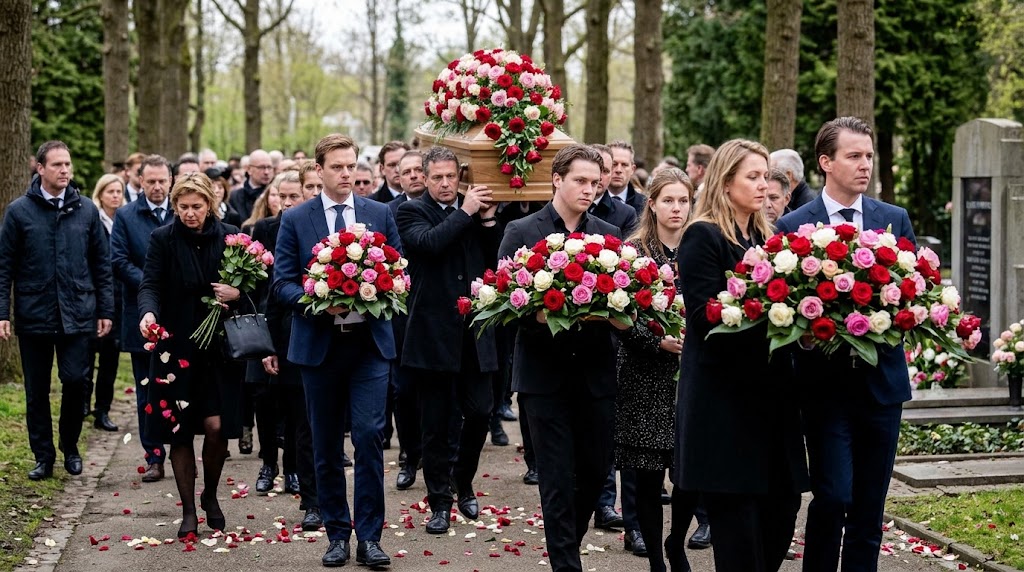
When saying a final farewell to someone dear, finding the words to articulate the depth of your grief, love, and gratitude can often feel impossible. In these sacred moments of transition, flowers serve as an eloquent, unspoken language of the heart. Among all mourning florals, the rose holds an unmatched place of reverence and grace. In both classical literature and contemporary memorials, the evocative imagery of a funeral parade of roses captures the beauty of honoring a departed life through unified floral devotion.
Whether referring to a floral-lined processional cortege, mourners carrying individual blooms behind a hearse, or a symbolic sea of floral tributes surrounding a sanctuary, roses transform sorrow into an enduring celebration of love. While selecting meaningful funeral flower arrangement ideas is a common part of end-of-life planning, understanding the deeper significance of roses helps families craft ceremonies that resonate with profound emotional warmth.
Whether you are coordinating arrangements for a memorial service, preparing to walk in a procession, or seeking to understand the nuanced language of botanical tributes, this guide explores the history, symbolism, color meanings, and practical etiquette of roses in funeral traditions.
Sympathy Reflection: A rose carries a delicate duality—soft, fragrant petals framed by protective thorns. In bereavement, this timeless bloom reminds us that deep sorrow is an inevitable companion to profound love, and that the beauty of a life well-lived outshines the sting of loss.
In memorial traditions, a funeral parade of roses refers to a funeral procession or ceremonial tribute adorned with roses, where mourners carry, display, or lay individual blossoms to symbolise enduring love, profound respect, and collective remembrance for the deceased.
What Is a Funeral Parade of Roses?
To understand the phrase funeral parade of roses, it is helpful to look at both cultural context and modern memorial practices. While film historians recognize the title from Toshio Matsumoto’s landmark 1969 avant-garde Japanese cinema masterpiece, in the world of death care and floral memorialization, the phrase paints a vivid visual picture of a floral-centered journey of remembrance.
Rather than describing a rigid, centuries-old liturgical decree, a “parade of roses” in contemporary funeral planning represents a poignant, coordinated tribute where roses become the visual anchor of the mourning ritual.
This tribute can take several heartfelt forms:
- A Participatory Procession: Immediate family members, pallbearers, and close friends each carry a single long-stemmed rose as they follow the casket into the chapel or cemetery grounds.
- An Adorned Cortege: The lead vehicle, hearse, and family limousines travel in a formal convoy graced with customized rose sprays, wreaths, and window garlands.
- A Committal Garden Rite: At the graveside or columbarium, each attendee walks forward in a quiet procession to gently place a fresh rose atop the casket or urn vault, creating an ascending blanket of blossoms before the final committal.
In each instance, the procession moves beyond a simple logistical transfer of remains; it becomes an active communal pilgrimage honoring a cherished legacy.
What Do Roses Symbolise at a Funeral?
Roses at a funeral commonly symbolise love, remembrance, respect, and sympathy. Red roses are often associated with deep love, white roses with peace and reverence, and pink roses with affection and appreciation. Their meaning can vary depending on cultural traditions, personal beliefs, and the relationship between the sender and the deceased.
When mourners choose funeral roses, they tap into centuries of botanical symbolism that provides comfort across several distinct emotional dimensions:
Love and Remembrance
Above all other blooms, the rose is humanity’s universal emblem of the heart. When present at a funeral, it signifies an enduring bond that physical death cannot dissolve. Offering a rose serves as a physical pledge that the deceased will be held in perpetual memory.
Respect and Sympathy
A dignified arrangement of fresh roses communicates profound esteem for the life that was lived. For friends, business associates, and extended relatives, sending roses expresses quiet solidarity and compassion to the immediate family, reminding them that their burden of grief is shared.
Beauty and the Celebration of Life
Modern memorial services frequently celebrate a loved one’s passions, accomplishments, and joy. The vibrant fragrance and delicate architecture of roses help transform somber sanctuaries into uplifting environments of gratitude, celebrating the fullness of a life completed.
The Meaning of Different Rose Colours at Funerals
In the language of flowers (floriography), color plays a decisive role in conveying precise emotional sentiments. When selecting roses for a funeral service, choosing the right hue allows you to personalize your tribute:
1. Red Roses
Deep crimson and velvet red roses represent deep, unconditional love, courage, and lasting devotion. They are traditionally chosen by surviving spouses, children, parents, and siblings to symbolize an unbreakable family bond. A single red rose placed on a casket conveys enduring romantic fidelity.
2. White Roses
White roses are the traditional standard for funeral and memorial ceremonies. They embody spiritual purity, innocence, peace, humility, and reverence. In Christian liturgy, white roses signify the soul’s return to heaven and divine grace. They are an impeccable choice for anyone seeking a timeless, elegant expression of condolence.
3. Pink Roses
Softer shades of pink convey gentleness, grace, appreciation, and quiet affection. Deeper shades of magenta or rose pink express heartfelt gratitude for the guidance, kindness, and inspiration the deceased brought into the world. Pink roses are frequently chosen to honor beloved mothers, grandmothers, sisters, and mentors.
4. Yellow Roses
Yellow roses symbolize steadfast friendship, warmth, and cherished memories. While red conveys romantic attachment, yellow celebrates companionship and shared joy. A bouquet of yellow roses is particularly fitting when sent by lifelong friends, coworkers, neighbors, or social clubs.
5. Peach and Apricot Roses
Peach roses signify sincerity, modesty, and deep appreciation. Their warm, understated hue offers a comforting bridge between the solemnity of white and the warmth of yellow, making them a thoughtful choice for expressing quiet sympathy.
How Roses Can Be Incorporated into a Funeral Procession
If your family wishes to create an intentional rose funeral tribute during the service or cortege, there are several graceful ways to weave blooms into the order of events:
- The Pallbearer Escort: Each pallbearer wears a delicate rose boutonniere pinned over their heart, while carrying a complementary long-stemmed rose to place alongside the casket upon arrival.
- Handheld Family Blooms: As the family walks into the chapel during the processional, each member carries a single blossom. These can be gathered into an empty commemorative vase near the portrait of the deceased, uniting individual grief into a collective bouquet.
- The Graveside Rose Ceremony: At the conclusion of the burial liturgy, the officiant invites all attendees to approach the open grave one by one. Each person places a rose or drops loose rose petals directly onto the casket as a personal, silent goodbye.
- Procession Vehicle Garlands: In formal traditional services, funeral homes can affix discreet magnetic floral garlands or matching rose clusters to the antennas and hood of the lead car and hearse.
Funeral Roses vs. Other Sympathy Flowers
While roses remain iconic, they often share the altar with other traditional mourning florals. Comparing their meanings helps you select the right floral balance:
| Flower | Common Symbolic Associations | Recommended Arrangement Use |
|---|---|---|
| Roses | Enduring love, deep respect, sympathy, and remembrance. | Casket sprays, personal handheld stems, and standing tributes. |
| White Lilies | Restored innocence of the soul, majesty, and eternal peace. | Large church altar baskets and formal chapel pedestals. |
| Carnations | Pure love (white), deep admiration (red), and remembrance (pink). | Durable standing easels and large shaped funeral wreaths. |
| Chrysanthemums | Lamentation, truth, and formal mourning across Europe and Asia. | Graveside tributes and traditional mass arrangements. |
| Orchids | Refined beauty, enduring love, and eternal sympathy. | Potted home sympathy gifts and modern urn surrounds. |
For a deeper look at standing arrangements on tripods, explore our dedicated funeral wreaths guide to see how roses and carnations combine into timeless circular tributes.
How to Choose Roses for a Funeral
When selecting roses for an upcoming service, keep these practical considerations in mind:
- Consider Your Closeness to the Deceased: Immediate family typically selects the prominent casket spray, which often incorporates dozens of premium garden or tea roses. Extended relatives, coworkers, and friends typically send standing sprays, floor baskets, or tabletop funeral bouquets.
- Respect Venue and Faith Customs: While Christian traditions openly embrace floral displays, traditional Jewish and Islamic customs emphasize simplicity and often prefer charitable contributions over elaborate flowers. Always check the obituary for “in lieu of flowers” requests before placing an order.
- Delivery Logistics: Formal arrangements intended for the service must arrive at the funeral home or church at least two hours before the first public visitation. Learn more about proper timing and venue coordination in our comprehensive guide to funeral flowers.
- Budget and Stem Count: Roses are a premium cut flower. If ordering for a large group or corporate department, pooling funds allows you to commission a full, multi-stem standing tribute without exceeding individual budgets.
Alternative Ways to Honour a Loved One with Roses
If you want to incorporate the beauty of roses into your tribute beyond standard chapel vases, consider these meaningful alternatives:
- Plant a Living Memorial Rose Bush: In lieu of cut flowers that fade, plant a hardy perennial rose bush in your home garden or a designated memorial space. Every spring, its blooming blossoms will serve as a living reminder of your loved one’s presence.
- Petal Pressing & Keepsakes: Save several rose petals from the funeral service and press them between heavy book pages. Once dried, they can be enclosed inside memorial prayer cards, encased in resin jewelry, or preserved within a memory shadow box.
- A Personalized Memorial Display: Place a small vase holding their favorite rose variety directly beside their framed portrait and the funeral guest book.
Frequently Asked Questions About Funeral Roses
Here are answers to the most common questions regarding funeral roses, colors, and service etiquette.
What does a funeral parade of roses mean?
In death care, it refers to a memorial procession or ceremony where roses are prominently carried, displayed, or presented by mourners to symbolize collective love and honor. Outside of funeral services, it is also widely recognized as the title of a famous 1969 Japanese art-house film.
What colour roses are best for a funeral?
White roses are the most versatile and universally accepted choice, symbolizing peace, reverence, and spiritual purity. Red roses are ideal for immediate family expressing deep devotion, while pink and yellow roses represent gratitude, grace, and lifelong friendship.
Are roses appropriate for a funeral?
Yes. Roses are among the most respected and traditional flowers used in funeral arrangements across the world. They are appropriate for casket sprays, standing wreaths, altar arrangements, and sympathy bouquets.
Can you carry a single rose at a funeral?
Yes. Carrying a single long-stemmed rose is a poignant, minimalist gesture of personal grief. Many services provide single roses to close family members and attendees to lay upon the casket during the final committal.
What is the difference between funeral flowers and sympathy flowers?
Funeral flowers are formal floral displays (such as standing easels, wreaths, and casket sprays) designed for display at the funeral home, church, or graveside. Sympathy flowers are typically smaller, vase-arranged bouquets or potted plants sent directly to the grieving family’s private home to offer comfort.
Are there cultural differences in funeral rose symbolism?
Yes. While white roses are viewed as peaceful in Western nations, red roses may be considered overly romantic or celebratory in certain cultural traditions. Conversely, in some Asian mourning customs, white is the strict color of grief, while red is reserved strictly for celebrations. Always confirm the family’s cultural or faith customs before selecting your tribute.
While fresh roses bring comfort and natural beauty to a farewell service, personalized memorial keepsakes ensure a loved one’s story lives on forever. Explore custom funeral programs, elegant prayer cards, and personalized memorial bookmarks to create a timeless, tangible tribute that families will treasure for generations.