A wake is a gathering held before a funeral or memorial service, where family and friends come together to remember someone who has passed away. If you’re asking what is a wake, think of it as a time to pause, connect, and share memories with other people who cared about the same person. It’s often one of the first moments people have to gather after a loss. Families may also find it helpful to understand how funeral homes work, since funeral homes often help coordinate the wake, prepare the space, care for the deceased, and organize details surrounding the service.
In modern funerals, the purpose of a wake is to offer comfort and support. It gives loved ones a chance to talk, reflect, and be present with each other during a difficult time. The setting can be formal or casual, in any way, a wake helps people begin saying goodbye and honor the life that was lived.
The Meaning and Purpose of a Wake
The wake service meaning goes beyond tradition. It’s about being there for one another during a time of loss. As an essential part of what funeral homes do to support grieving families, a wake gives family and friends the chance to gather, offer comfort, and show support when it’s needed most. Sometimes, just being present and listening can mean more than words.
What Happens at a Wake?
If you’re not sure what happens at a wake, here is what you need to know. It usually involves a calm and supportive gathering where people come together to honor the deceased and comfort one another. The atmosphere is often quiet and respectful, but it can also feel warm and personal, depending on family wishes and traditions.
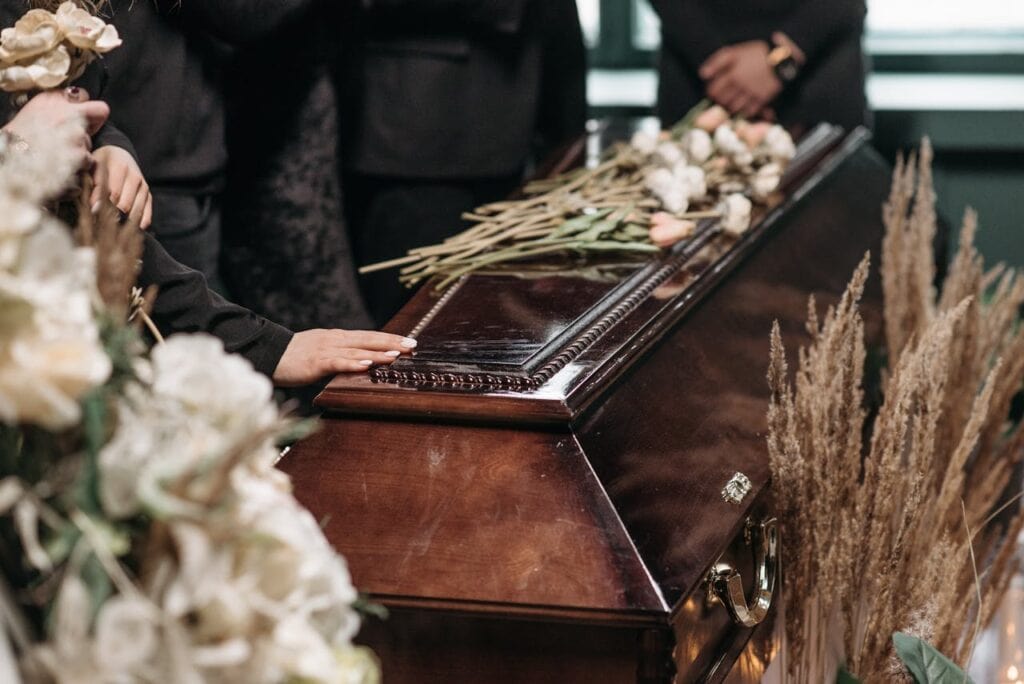
Many wakes include a viewing or visitation, where guests may see the deceased, often in an open or closed casket. This moment allows loved ones to pay their respects privately, say a final goodbye, or simply spend a quiet moment in reflection.
A wake is also a time for sharing memories and offering condolences. Friends and family may talk softly, exchange stories, or express sympathy to those closest to the deceased. Depending on the length of the gathering, light refreshments or traditional funeral food may be served to help sustain guests during their visit. In some cases, there may also be prayers, readings, or moments of silence.
When Does a Wake Take Place?
A wake usually takes place before the funeral or memorial service. It’s often held one or two days before, which gives family and friends time to gather, pay their respects, and offer support before the formal service. For many people, the wake is the first opportunity to come together after the loss.
The timing and duration of a wake can be different. Some wakes last a few hours in the evening, while others may continue over an entire day or even multiple days, depending on cultural or religious traditions. Families can choose what feels most comfortable for them and what best honors their loved one.
Wakes can be held in different locations based on personal preference and tradition. Some settings include a funeral home, a church or place of worship, or a private home. If you’re arranging a wake over the weekend, it’s helpful to know whether funeral homes are open on weekends so you can coordinate viewings, visitations, and other funeral arrangements without unnecessary delays. No matter the location, the purpose remains the same—to create a welcoming space for remembrance, reflection, and support.
Wake vs Funeral vs Visitation
Many people are not sure about the differences between a wake, a funeral, and a visitation. Understanding these distinctions can help you know what to expect and how to participate. Here’s a breakdown of wake vs funeral and visitation vs wake:
| Event Type | Purpose | Typical Timing | Activities | Setting |
Wake |
Gather with family and friends to remember the deceased and offer support. | Usually 1-2 days before the funeral. |
Viewing or visitation, sharing memories, quiet reflection, or prayer | Funeral home, church, or private home |
Funeral |
Formal ceremony to honor the deceased and say goodbye. | After the wake |
Religious or cultural rites, eulogies, music, processions | Church, funeral home, cemetery |
Visitation |
Opportunity to pay respects and offer condolences, often without a formal ceremony. | Can be combined with a wake or held separately. |
Meet family, sign the guest book, and have brief moments of reflection. | Funeral home or place of worship |
Cultural and Religious Wake Traditions
Wakes are observed differently around the world, with each culture and religion adding its own customs and meaning. When you know these traditions, you will understand why wakes feel so important and personal to the families who hold them.
Irish wake traditions are some of the most well-known. Historically, an Irish wake was both a mourning and a celebration of life. Friends and family would gather at the home of the deceased to share stories, sing, pray, and sometimes even laugh, honoring the person who had passed in a very communal way. These wakes often lasted several days, allowing everyone time to grieve together.
In Catholic wakes, prayer and reflection play a central role. Guests may recite rosaries, sing hymns, or participate in other religious rituals. The focus is on spiritual support, both for the deceased and for the family, which helps everyone find comfort through faith.
Other cultures have unique wake practices as well. In some communities, wakes include music, dancing, or elaborate ceremonies. In others, the emphasis is on quiet remembrance and close family gatherings. The main goal of all these traditions is to honor the deceased, support the grieving, and bring loved ones together.
Wake Etiquette: What to Wear and How to Act
When you know some basic funeral wake etiquette, it can help you feel more comfortable when attending a wake.
- What to wear – stick to simple, dark, or neutral colors like black, gray, or navy. Avoid bright or flashy clothes, the focus is on remembering the person who passed and supporting their family.
- What to say – keep your words kind and short. Saying something like, “I’m so sorry for your loss,” or sharing a happy memory is perfect. Try to avoid joking or bringing up unrelated topics, as it can feel out of place during this emotional time.
- Bringing flowers or gifts – flowers are traditional, but some families may prefer donations or no gifts at all. If you’re unsure, you can ask ahead. Even a simple sympathy card or a personal note can mean a lot.

Do You Have to Attend a Wake?
A wake before funeral is not something anyone is strictly required to attend. Going is a personal choice, and it often depends on your relationship with the deceased or their family.
It’s appropriate to attend if you were close to the person or want to support their loved ones. However, it’s also okay to decline if you’re unable to go due to distance, health, or personal reasons. In such cases, sending a sympathy card, flowers, or a message of support is a thoughtful way to show you care.
How Honor You Helps Families Remember Loved Ones
Honor You offers ways for families to keep memories alive and celebrate the life of their loved ones. Memorial products like register books, prayer cards, and digital memorials allow friends and family to share stories, messages, and photos to create a wonderful and lasting tribute.
These tools make it easier to remember special moments and keep connections strong, even after a loved one has passed. If you’re looking for a thoughtful way to honor someone, exploring these options can provide comfort and a meaningful way to celebrate their life.
Frequently Asked Questions About Wakes
- Is a wake religious?
No, a wake is not always religious. While some wakes include prayers or rituals, many are simply gatherings for family and friends to remember and support each other, without any religious aspect.
- How long should you stay?
There’s no strict rule, stay long enough to offer condolences, share memories, and support the family. Typically, an hour or two is common, but even a brief visit is meaningful.
- Can children attend a wake?
Yes, children can attend a wake if the family feels it’s appropriate. It can help them understand loss, but it’s important to prepare them and stay nearby for support.