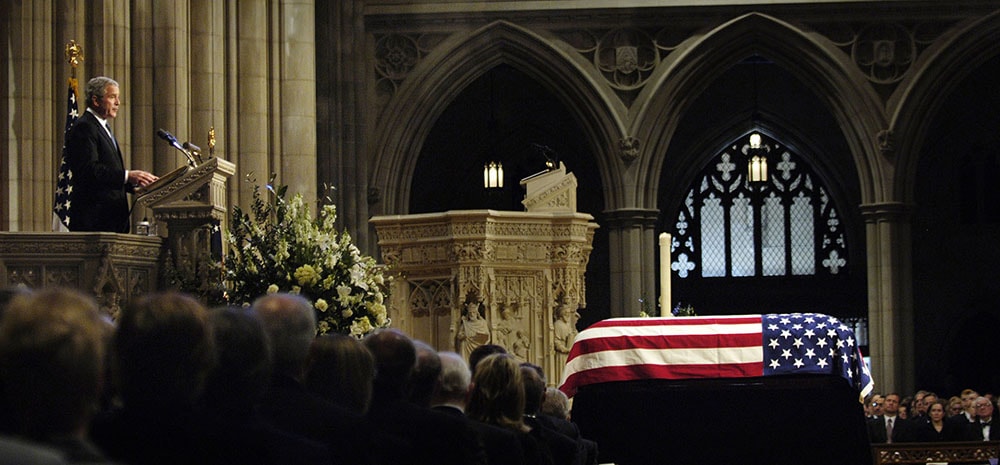
If you want to know what is a eulogy, you have come across the right article. A eulogy is a short speech given at a funeral or memorial service to honor someone who has passed away. It’s a time to talk about who they were, share special memories, and remember the moments that made them meaningful in our lives.
The purpose of a eulogy is to celebrate a person’s life and the love they shared with others. It helps family and friends come together, remember happy moments, and find comfort during a difficult time. A eulogy doesn’t have to be perfect or formal, it simply comes from the heart and offers a gentle way to say goodbye while honoring a life well lived.
What Is the Purpose of a Eulogy?
When you know the eulogy meaning, you can understand why it is so important during a funeral or memorial service. A eulogy is not just words, it’s a way to honor the person who has passed and recognize the life they lived.
One key purpose of a eulogy is to honor the deceased. It highlights their character, values, and the impact they had on family, friends, and the community. Speaking kindly about their life helps keep their memory alive.
A eulogy also allows for sharing memories and stories. These personal moments, some serious and some lighthearted, help paint a picture of who the person truly was. Hearing these stories often brings comfort and reminds everyone of the love that was shared.
Finally, a eulogy helps mourners reflect and heal. Listening to familiar memories and heartfelt words can bring people together and bring a sense of connection, comfort, and peace during a difficult time.
Who Typically Gives a Eulogy?
Many people wonder who gives a eulogy at a funeral or memorial service. Often, it’s someone who knew the person well and can speak from the heart about their life.
Family members are the most common choice. A spouse, child, sibling, or parent may share personal memories and reflections that capture the essence of the person who has passed.
Close friends can also give a eulogy. They often bring a different perspective, sharing stories and moments that the family might not know, highlighting the joy, humor, or adventures the person experienced.
In some cases, religious leaders or officiants may deliver a eulogy or a brief tribute, especially when the service has a spiritual or ceremonial focus. They can provide comforting words and help place the life being remembered in a larger context of faith or tradition.
Sometimes, multiple people give a eulogy. This allows different voices and memories to be shared, which can give a fuller picture of the person’s life and the impact they had on everyone around them.
When Is a Eulogy Given?
A eulogy at a funeral is usually delivered during a time set aside to remember and honor the person who has passed. It can take place in different types of services, depending on the family’s wishes.
Because funeral services are often planned quickly after a death, families may find it helpful to understand how quickly funerals happen so they can prepare a eulogy and other arrangements without added stress.
- At funerals, the eulogy is often shared after the opening remarks or prayers. This gives everyone a chance to reflect on the person’s life and hear meaningful memories before the final farewell.
- During memorial services, which may happen days or weeks after the passing, the eulogy is a central part of the ceremony. Even if the body isn’t present, sharing stories and heartfelt words helps loved ones feel connected.
- Celebrations of Life: This type of gathering focuses more on honoring the person’s personality and joys. Here, a eulogy can be more informal—often shared during receptions alongside comforting funeral food—and filled with laughter, stories, and personal anecdotes that create a warm, uplifting atmosphere.
How Long Is a Eulogy?
There is no strict rule for how long is a eulogy supposed to be. However, most eulogies last about 3 to 7 minutes. This is usually enough time to share meaningful memories without making the service too long or overwhelming for mourners.
When preparing a eulogy, it’s helpful to keep it meaningful and concise. Focus on the stories, qualities, and moments that truly capture the person’s life. You don’t need to include every detail, just the memories that feel most special are enough. Speaking from the heart and being genuine often matters far more than the length of your speech.
What Should Be Included in a Eulogy?
When writing a eulogy, many people look for funeral eulogy examples to guide them. While each eulogy is unique, some essential elements make it meaningful and heartfelt.
Start with a brief life overview. Share key facts about the person’s life, such as where they were from, their family, and important milestones. This helps everyone understand the context of their life.
Include personal stories or memories. These can be small moments, funny anecdotes, or meaningful experiences that show who the person really was. Stories make a eulogy personal and memorable.
Talk about their values, character, and legacy. Highlight the qualities that made them special, like kindness, generosity, humor, or dedication, and the impact they had on others.
End with a closing message or reflection. This can be a simple farewell, a meaningful quote, or a few heartfelt words that leave the audience with comfort and a sense of connection.
What’s the Difference Between an Eulogy and an Obituary?
Many people wonder about the difference between a eulogy and an obituary. Understanding eulogy vs obituary helps clarify their purpose and how they are used.
A eulogy is a speech delivered during a funeral or memorial service. Its purpose is to honor the person, share personal stories, and reflect on their life in a heartfelt and often emotional way. The tone is usually warm, personal, and sometimes even lighthearted, depending on the memories being shared.
An obituary is a written notice of someone’s death, often published in a newspaper or online. It provides key facts about the person’s life, such as their age, family, achievements, and funeral arrangements. The tone is more formal and informative, rather than personal or anecdotal.
In short, a eulogy is spoken at the service to celebrate and remember the person, while an obituary is written for public notice to inform others about their passing. Both serve important roles in honoring a life, but they do so in different ways.

How to Write a Eulogy
If you’re wondering how to write a eulogy, know that it can feel overwhelming, but it doesn’t have to be perfect. Start by thinking about the person’s life, the memories you want to share, and the qualities that made them special.
Here’s some step‑by‑step guidance:
- Plan – decide what stories, memories, and qualities you want to include.
- Write – jot down your thoughts in simple, heartfelt sentences. Don’t worry about perfection.
- Review – read it aloud to see how it flows and make small adjustments if needed.
For those feeling overwhelmed, remember: a eulogy comes from the heart, not from a script. Honest, personal reflections often mean more than perfectly polished words. Speak with love, and your message will resonate.
Is It Okay to Be Emotional While Giving a Eulogy?
It’s completely normal to feel emotional when you give a eulogy. After all, you’re speaking about someone you loved and cared for deeply. Tears, pauses, or a shaky voice are natural and show the sincerity of your words.
If you’re worried about nerves or emotions, a few tips can help:
- Practice beforehand – reading your eulogy aloud can make you feel more comfortable.
- Take your time – pauses are okay, don’t rush through your words.
- Keep a backup plan – having a written copy in front of you can give extra confidence if emotions take over.
Remember, showing emotion is not a weakness, it’s a sign of love and honesty, and your audience will connect with your words even more because of it.
Frequently Asked Questions About Eulogies
- Do you have to give one?
No, you don’t have to give a eulogy. It’s entirely optional, only those who feel comfortable or want to share memories usually do.
- Can you read it instead of memorizing?
Yes, you can read a eulogy instead of memorizing it. Many people do this to feel more confident and stay on track.
- Can a eulogy be informal or humorous?
Yes, a eulogy can be informal or include humor, as long as it respectfully honors the person and their life.
Final Thoughts on Giving a Eulogy
Giving a eulogy can be hard, but remember that your sincerity matters far more than perfection. Speak from the heart, share meaningful memories, and allow yourself to feel emotions, this is what truly honors the person you’ve lost.
Even if it’s simple or imperfect, your words will offer comfort to others and create a lasting tribute to a life well lived.