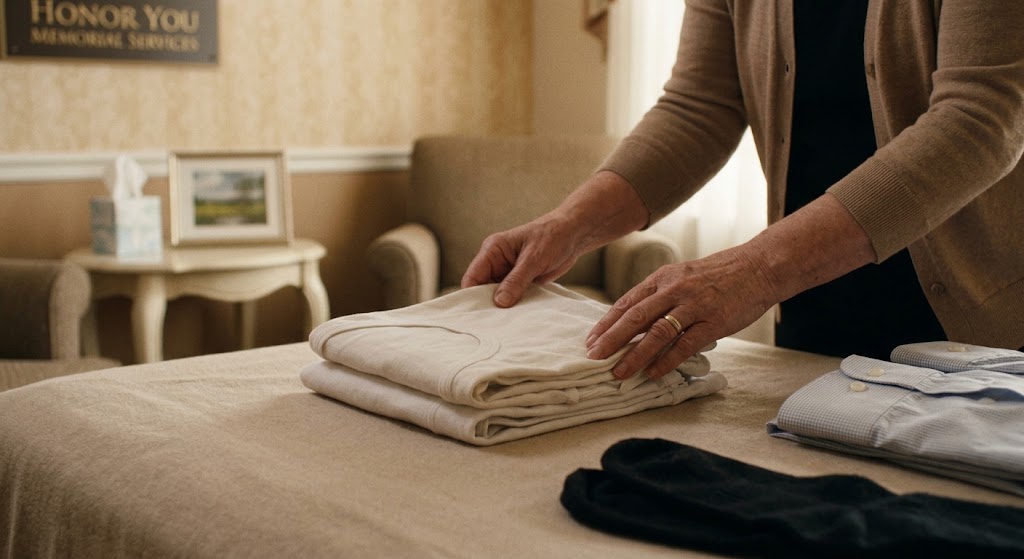
Yes, funeral homes commonly put undergarments on the deceased as part of a complete outfit, especially when a family has chosen a viewing or traditional funeral.
Many funeral homes ask the family to provide clean underwear and the rest of the clothing they want their loved one to wear. A provider may keep basic items available if a family forgets, but that is a local policy rather than a universal rule.
The deceased person’s wishes, the family’s preferences, religious or cultural customs, the type of service, and the funeral home’s procedures can all affect what is used.
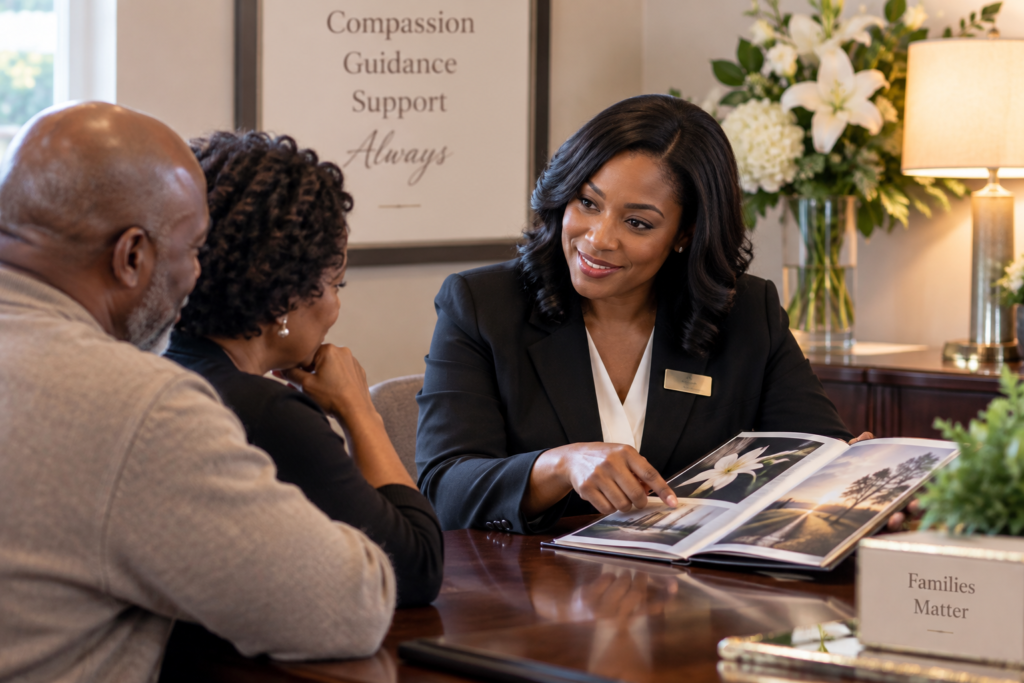
The simplest step is to ask the funeral director for a clothing list before bringing anything in.
“Undergarments are commonly included as part of a complete funeral outfit, but families should confirm the funeral home’s specific clothing requirements before delivering anything.”
Is Underwear Standard When a Funeral Home Dresses the Deceased?
Undergarments are a common part of dressing a person for a viewing or funeral.
Published guidance from U.S. funeral providers often asks families to bring a complete set of clothing that may include:
- Underwear
- Socks or hosiery
- Undershirts or other base layers
- A complete outer outfit
- Shoes, when requested
The family generally selects clothing that reflects the person being remembered.
That does not mean every funeral home follows the same procedure in every situation.
A:
- Direct cremation
- Direct burial
- Private family viewing
- Public viewing
- Traditional casketed funeral
may each involve different preparation choices.
The person’s physical condition and the family’s instructions can also affect what is practical.
It is important to separate common funeral-home practice from legal requirements.
The Federal Trade Commission’s Funeral Rule gives consumers the right to choose funeral goods and services and requires covered providers to explain applicable legal, cemetery, or crematory requirements. It does not create a nationwide rule requiring underwear for the deceased.
Your funeral director can explain the funeral home’s policy and any requirements connected with the service you selected.
A funeral home may commonly request undergarments, but that does not make them a universal legal requirement. Ask whether a clothing request comes from the funeral home, cemetery, crematory, or another specific rule.
What Clothing Should You Bring to the Funeral Home?
Think in terms of a complete outfit rather than only the clothing guests will see.
Unless the funeral home provides different instructions, a practical clothing bundle may include:
- Clean underwear
- An undershirt, bra, camisole, or slip if the person normally wore one and it suits the selected outfit
- A complete outer outfit with both top and bottom garments
- Socks, stockings, or hosiery
- Shoes or slippers if the funeral home requests them or the family wants them included
- Glasses
- A tie, scarf, hat, or other familiar accessory
- Jewelry
- Religious items
- Military decorations
- A recent photograph showing the person’s usual hairstyle, makeup, facial hair, and preferred appearance
The clothing does not need to be new, formal, or black unless a tradition or the person’s wishes call for it.
A family may instead choose:
- A favorite dress
- A suit
- A familiar sweater
- A uniform
- A sports jersey
- Pajamas
- A favorite everyday outfit
Choose clean items that the family is comfortable leaving with the deceased unless the funeral home agrees to return them.
Do You Need to Bring Shoes?
Do not assume shoes are required.
Some funeral homes ask families to provide them, while others consider socks or slippers sufficient.
Shoes may also be affected by:
- Crematory policies
- Green-burial requirements
- The type of casket
- The family’s preferences
Ask before bringing them.
What About Jewelry and Keepsakes?
Tell the funeral director in writing whether jewelry and personal items should:
- Remain with the deceased permanently
- Be displayed only during the viewing
- Be returned to the family afterward
Written instructions can help prevent confusion about valuable or sentimental items.
What Happens If the Family Forgets Undergarments?
Call the funeral home before making another trip.
A provider may keep basic items available, such as:
- Underwear
- Undershirts
- Socks
- Basic funeral gowns or coverings
Another funeral home may expect the family to provide every item.
Do not assume spare clothing will be available.
Ask:
- What is still needed?
- When does it need to be delivered?
- Does the funeral home have replacement items?
- Is a funeral gown or other covering available?
Why Are Undergarments Commonly Used?
For many families and funeral-care professionals, undergarments are simply part of dressing a person completely and respectfully.
They may also help:
- An outer outfit sit in a familiar way
- Preserve the family’s sense of modesty
- Reflect the person’s habits in life
- Support religious or cultural expectations
Ordinary underwear is different from protective garments that trained funeral-care staff may use when additional care is required.
Families generally do not need to purchase specialized funeral garments unless the funeral director specifically requests them.
Does the Type of Funeral Change What the Deceased Wears?
It can.
Ask the funeral home how clothing will be handled for the specific service or final disposition you selected.
Viewing or Traditional Funeral
For a viewing or funeral with the deceased present, the funeral home will usually discuss:
- Clothing
- Hair
- Cosmetics
- Facial hair
- Jewelry and accessories
- Overall presentation
A complete outfit is commonly requested even when only the upper portion of the casket will be open.
This can give the family confidence that their loved one is fully dressed and allows the funeral home to prepare the clothing consistently.
Direct Burial
Preparation for direct burial may be simpler because there is no public viewing.
Clothing choices still depend on:
- The funeral home’s procedures
- The family’s wishes
- Cemetery requirements
- Religious or cultural customs
Ask whether the deceased will be dressed in family-provided clothing, a funeral gown, or another covering.
Cremation
Clothing practices for cremation depend on whether a viewing or funeral will occur first and on the crematory’s safety rules.
Material and accessory restrictions vary by facility.
Before selecting clothing, shoes, jewelry, or personal objects, ask the crematory or funeral home which items are permitted.
Green or Natural Burial
Green or natural burial grounds may have specific standards for:
- Fabric types
- Synthetic materials
- Metal fasteners
- Footwear
- Jewelry
- Other non-biodegradable items
Ask both the cemetery and funeral provider what is acceptable for the burial site.
Can Funeral Homes Cut or Alter Clothing?
Sometimes.
Clothing may fit differently after death because of:
- Weight changes
- Medical treatment
- Swelling
- The person’s physical condition
- The way the deceased needs to be positioned
Some funeral homes may:
- Open seams discreetly
- Pin garments
- Adjust the back of clothing
- Make other changes so the outfit can be positioned properly
Other funeral homes may have a policy against cutting clothing.
A:
- Slightly larger size
- Flexible fabric
- Front-opening shirt
- Adjustable garment
may be easier to use while preserving the appearance the family wants.
How Do Personal, Religious, and Cultural Wishes Affect Clothing?
Choose clothing that respects the person and the traditions important to the family.
Some faiths and cultures use:
- Burial shrouds
- Sacred garments
- Ceremonial clothing
- Specific colors
- Family-led washing or dressing rituals
Other traditions allow broad personal choice.
Provide written instructions to the funeral director about:
- How sacred garments should be handled
- Who may participate in dressing
- Which garments should remain with the deceased
- Any required rituals or timing
When a tradition has specific requirements, ask a faith or community leader to coordinate with the funeral home.
Do not rely only on a general online clothing checklist when a religious or cultural tradition has its own rites.
Respecting Personal Identity
The same care applies to gender expression and personal identity.
Choose clothing, grooming, and accessories that reflect:
- How the person lived
- How they normally dressed
- How they wanted to be seen
- Any written wishes they left
A recent photograph and clear written notes can help the funeral home follow those preferences.
Questions to Ask the Funeral Director
These direct questions can prevent confusion:
- Do you want us to provide undergarments?
- Should we bring an undershirt, bra, camisole, or slip?
- Should we provide socks, stockings, or hosiery?
- Do you want us to bring shoes?
- Will the deceased be fully dressed for the service or disposition we selected?
- Do you keep basic clothing items available if something is missing?
- Might any clothing need to be cut, pinned, or altered?
- Are there crematory restrictions on fabrics, fasteners, shoes, jewelry, or personal items?
- Are there cemetery or green-burial restrictions?
- Can a family member help dress the deceased if that is important to us?
- Which items will remain with the deceased?
- Which items can be returned after the viewing?
Keep the answers with your other arrangement notes.
Honor You’s funeral home guide for families can help you organize additional questions about funeral services, choices, and consumer rights.
A Simple Clothing Checklist for Families
Before leaving for the funeral home, place everything together in a labeled garment bag or clean container.
- Complete clean outfit
- Underwear
- Any usual base layers
- Socks, stockings, or hosiery
- Optional shoes or slippers after confirming funeral-home policy
- Accessories
- Written instructions for items that should be returned
- Religious or ceremonial garments
- Instructions for handling sacred items
- A recent reference photograph
- The name and contact details of the family member who can answer clothing questions
If you are uncertain about fit or materials, consider bringing a second clothing option and let the funeral director advise you.
Honor You’s memorial planning checklist can help keep other service details organized in one place.
Confirm the Clothing List With the Funeral Director
Before delivering clothing, confirm exactly what the funeral home needs.
Ask about:
- Undergarments
- Fit
- Possible alterations
- Shoes
- Jewelry
- Crematory restrictions
- Green-burial restrictions
- Items the family wants returned
Label anything that must come back to the family and provide written instructions for sentimental or valuable items.
Honor You is not a funeral home and does not prepare or dress the deceased.
We help families create personalized memorial products, including:
- Funeral programs
- Prayer cards
- Memorial keepsakes
- Bookmarks
- Register books
- Other materials designed to preserve and share a loved one’s story
Frequently Asked Questions
Do the Undergarments Need to Be New?
Usually, they only need to be clean and appropriate, but funeral-home policies differ.
Some families choose new items, while others provide the person’s own clothing. Ask the funeral director if the provider has a specific preference.
Do Funeral Homes Put a Bra on the Deceased?
A funeral home may use a bra if the family provides or requests one and it works with the selected clothing.
A camisole, slip, or another familiar base layer may also be appropriate. Tell the funeral director what the person normally wore and what the family prefers.
Are Socks and Shoes Required?
Socks, stockings, or hosiery are commonly included with a complete outfit.
Shoes are optional at many funeral homes, but policies differ. Confirm before bringing shoes, particularly when cremation or green burial is planned.
Can the Family Dress the Deceased?
Some funeral homes permit family participation when circumstances allow, while others limit preparation areas to trained staff.
Religious customs, health and safety procedures, staffing, and the person’s physical condition may affect whether this is possible.
Ask early if participation is important to your family.
What If No Clothing Is Provided?
The funeral home may provide a gown, basic clothing, or another suitable covering, but there is no single nationwide practice.
Contact the funeral director to discuss the available options.
Are Undergarments Legally Required for Burial or Cremation?
The supplied source states that there is no nationwide requirement in the FTC Funeral Rule requiring undergarments.
Funeral-home policies, cemetery rules, crematory requirements, or local regulations may still affect the arrangement. Ask the provider to explain whether a requirement comes from law, facility policy, or family preference.
Will the Deceased Be Fully Dressed if Only Half the Casket Is Open?
A complete outfit is commonly requested even when only the upper portion of the casket will be visible. Funeral-home practices vary, so ask how the deceased will be dressed for the selected service.
Can the Funeral Home Alter a Favorite Outfit?
Possibly. Some funeral homes may discreetly open seams, pin fabric, or make other adjustments so clothing fits properly. If the garment is sentimental or needs to be returned, tell the funeral director before leaving it.
Should Jewelry Stay With the Deceased?
That is the family’s decision unless another rule applies. Give the funeral home written instructions explaining whether jewelry should remain with the deceased, be displayed temporarily, or be returned after the service.
Can a Deceased Person Be Dressed in Everyday Clothing?
Yes. The supplied article notes that families may choose a favorite sweater, uniform, sports jersey, pajamas, or another familiar outfit rather than formal funeral clothing.
Does Clothing Need to Be Black?
No. Clothing does not need to be black unless the person’s wishes, family preference, religious tradition, or cultural custom calls for it.
What Is the Most Important Thing to Ask the Funeral Home?
Ask for a complete clothing list for the specific service you selected. This can clarify undergarments, shoes, accessories, fit, alterations, and any cemetery or crematory restrictions before you bring the clothing in.