
Losing a loved one is one of life’s most profound challenges. As families move through the grieving process, many find comfort in returning a loved one’s remains to nature. However, as you begin to plan a memorial, a critical practical question often arises: is it illegal to spread ashes?
While cremation is increasingly popular, the laws surrounding the final placement of cremated remains are often misunderstood. This guide provides clear, respectful, and legal guidance to help you honor your loved one with peace of mind.
If you need support navigating these decisions, Honor You offers resources on scattering memorials that help families honor their loved ones with dignity.
Is It Illegal to Spread Ashes? (Quick Answer)
In most jurisdictions, it is not illegal to scatter ashes, but it is highly regulated based on the specific location. Because cremated remains are sterile and do not pose a public health risk, they are not treated the same as a body burial. However, “legal” doesn’t mean “anywhere.” Whether you can scatter ashes depends on land ownership, environmental regulations, and local permits.
“Usually legal, but depends on location and permissions. Always check local ordinances before proceeding with a memorial ceremony.”
Laws About Scattering Ashes by Location
Understanding where can you spread ashes is the first step in planning. The rules vary significantly depending on whether the land is owned by the government, a private citizen, or is part of a protected waterway.
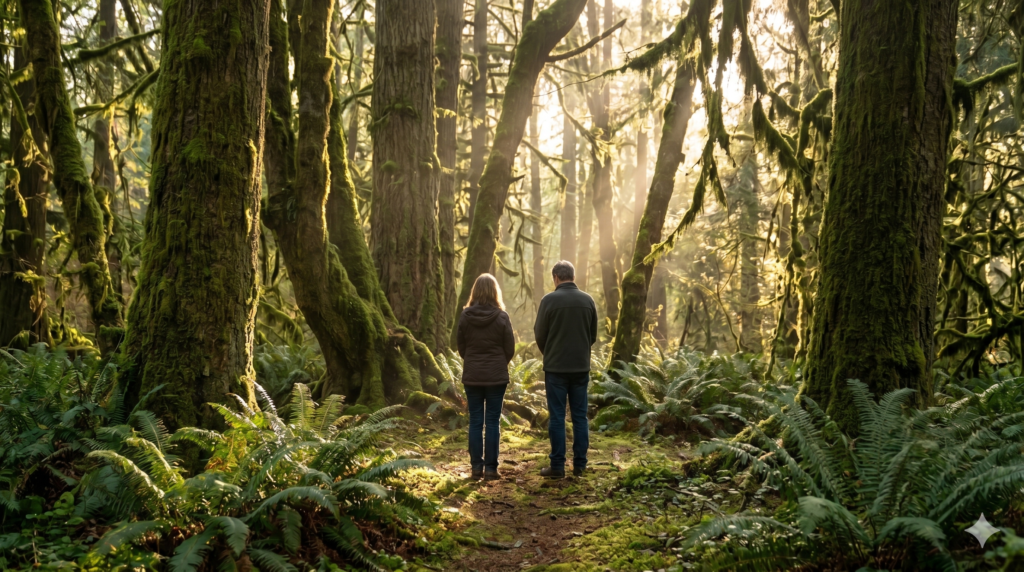
Private Property
If you own the land, you generally have the right to scatter ashes there without any legal interference. However, if you wish to scatter on land owned by someone else—such as a former family home or a private estate—you must obtain written permission from the landowner. Without it, you could technically be cited for trespassing.
If the memorial will also include a ceremony on private land, explore our funeral program and memorial booklet options here.
Public Land (Parks & National Parks)
Many people wonder, is it illegal to spread ashes in a park? For National Parks, the answer is usually “No, it’s not illegal,” but you must obtain a Special Use Permit. Each park has its own set of rules regarding which areas are off-limits (usually developed areas, campgrounds, or high-traffic trails).
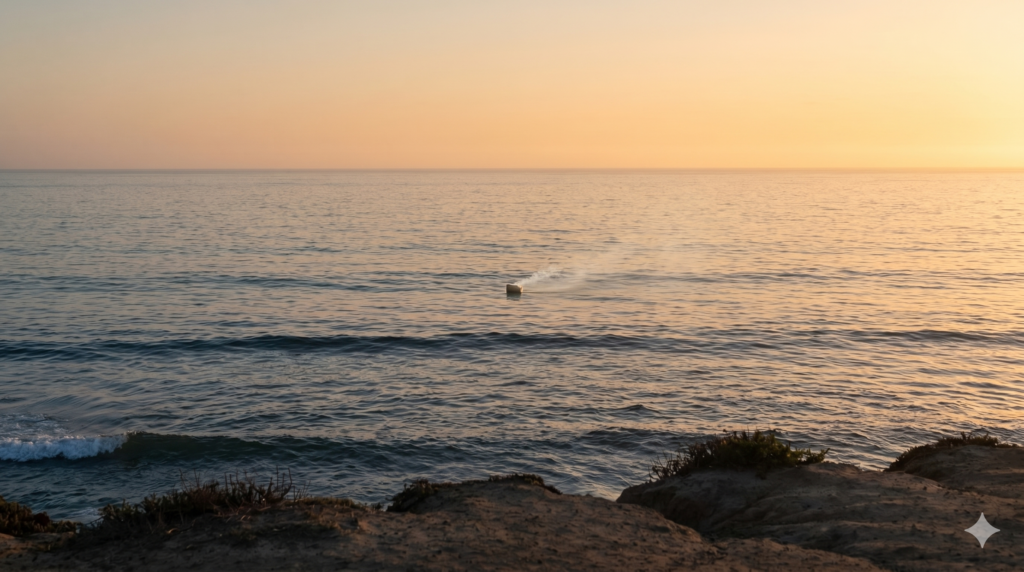
At Sea / Oceans
Is it legal to scatter ashes at sea? Yes, but it is governed by the Environmental Protection Agency (EPA). According to the federal Marine Protection, Research, and Sanctuaries Act, you must be at least three nautical miles from shore. You must also notify the EPA of the burial at sea within 30 days of the ceremony.
Are There Environmental or Health Concerns?
Science tells us that cremated remains are primarily calcium phosphate and are sterile, meaning they pose no threat to human health. However, they can be high in pH and sodium, which can harm sensitive plant life if scattered in high concentrations.
In loving memory of those we honor, it is important to choose locations that sustain the environment. For more information, see our guide on cremation vs. burial sustainability.
Alternatives to Scattering Ashes
If the legalities of scattering seem too complex, there are many other beautiful ways to honor a legacy without the need for permits or environmental filings. If you’re not ready to make an immediate decision, it can also be reassuring to understand how long funeral homes keep ashes before they need to be collected, giving families time to choose the memorial option that feels right.
- Keeping a Decorative Urn: Keeping your loved one close in a beautiful vessel at home.
- Cremation Jewelry: Carrying a small portion of remains in a pendant or ring.
- Unique Rites: Some families choose Pagan or Wiccan rites which offer unique ways to connect with nature.
Need Help Planning a Memorial?
If navigating the legal and emotional details of a memorial feels overwhelming right now, Honor You can help you create the perfect tributes—from funeral programs to memorial keepsakes—ready to share with your family and community.
Final Thoughts
The act of scattering ashes is a deeply personal way to say goodbye. While the legalities can feel like an extra burden during a time of grief, following the scattering ashes rules ensures that your loved one’s final resting place remains undisturbed and respected.
Whether you choose a quiet forest or the rolling waves of the ocean, the goal is to honor a life lived. As you plan, you may also find it helpful to look at the evolution of funeral ceremonies to see how others have found meaning in these final acts of love.