When a loved one passes away, you may encounter words you have never had to think about before. One of those words is interment. You might see it on a funeral program, hear it from a funeral director, or come across it while making arrangements. Understanding what it means—and what to expect—can make an already difficult time feel a little less overwhelming.
If you are also thinking about who will lead the service, our guide to officiating a funeral walks you through every responsibility from preparation to the final farewell.
What Is Interment?
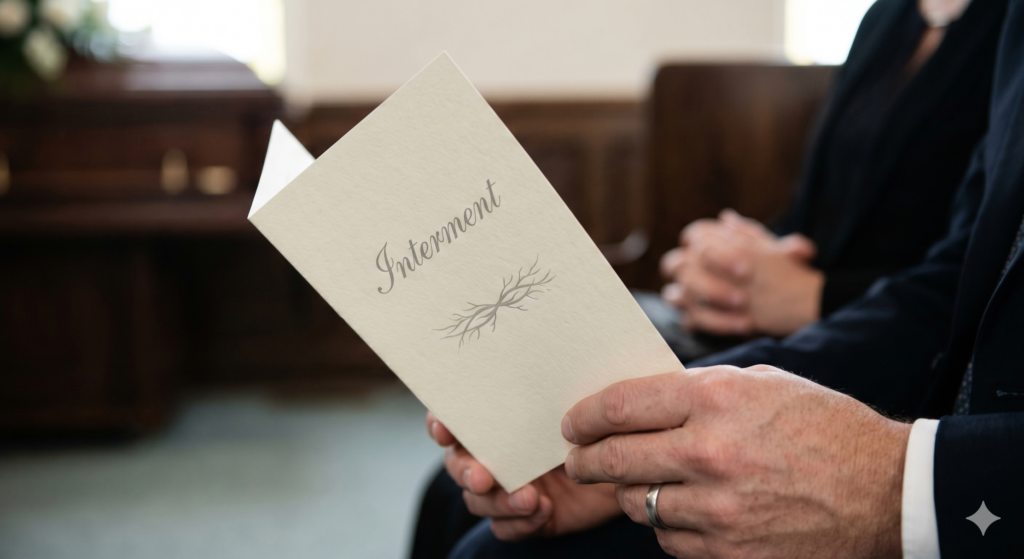
Interment is the act of placing a deceased person’s remains in their final resting place. The word comes from the Latin interrare, meaning “to put into the earth,” but today it applies more broadly to any permanent placement of remains—whether in the ground, a mausoleum, or a columbarium niche.
In simple terms, interment is the final step of the disposition process. It is the moment when remains are formally placed in the location where they will rest permanently. This can happen at a cemetery, a memorial park, a place of worship, or another approved location.
Interment applies to both burial of a body and the placement of cremated remains. This makes it a broader and more inclusive term than “burial” alone.
Interment Meaning Explained
A common misconception is that interment and burial mean exactly the same thing. While they overlap, there is an important distinction. Burial specifically refers to placing a body in the ground. Interment is the umbrella term that covers any form of final placement—underground, above ground, or in a niche.
You may also encounter the word inurnment, which refers specifically to placing cremated remains into an urn. Once those ashes are placed in a permanent location—whether buried in a cemetery or placed in a columbarium—that act is called interment. Think of inurnment as what happens to the ashes, and interment as where they ultimately go.
There is also a frequently confused pair: interment vs. internment. These are two completely different words. Internment refers to the imprisonment or confinement of people, often in a political or wartime context. Interment refers solely to the burial or placement of remains. The two are unrelated.
Interment vs. Burial: Key Differences
Here is a simple way to think about it: all burial is interment, but not all interment is burial. The table below breaks down the distinction clearly.
| Term | What It Involves | Applies To |
|---|---|---|
| Burial | Placing a body in the ground | Full body only |
| Interment | Placing remains in a final resting place | Body or cremated ashes |
| Entombment | Placing remains in an above-ground structure | Body or cremated ashes |
| Inurnment | Placing ashes into an urn | Cremated ashes only |
Types of Interment
There is no single way to inter remains. Families choose from several options depending on their preferences, religious traditions, budget, and the wishes of the deceased.
Ground Burial
This is the most traditional form of interment. The body, typically in a casket, is lowered into a prepared grave in a cemetery or burial ground. A grave liner or burial vault is often required by the cemetery to prevent the ground from settling.
Mausoleum Entombment
A mausoleum is an above-ground structure with individual chambers, called crypts, where caskets are placed. This is a form of interment that does not involve burial in the ground. Mausoleums can be private family structures or large community buildings within a cemetery.
Columbarium Niches (for Cremated Remains)
A columbarium is a wall or structure containing small compartments called niches, each designed to hold an urn of cremated remains. These are commonly found in cemeteries, churches, and memorial parks. Placing an urn in a columbarium niche is a form of interment.
Scattering vs. Interment
Scattering ashes is not considered interment because the remains are not placed in a permanent, designated location. Interment always implies a fixed resting place. If a family chooses to scatter some ashes and inter the rest in a niche or grave, both actions can happen as part of the same memorial service.

The Interment Process
Understanding what happens during an interment can ease anxiety about the day itself. While every service is different, the general process follows a familiar sequence.
- Transportation of Remains: The body or urn is transported to the interment location, whether that is a cemetery, mausoleum, or columbarium. This is typically arranged by the funeral home.
- Graveside or Site Preparation: Cemetery staff prepare the grave, crypt, or niche in advance. Equipment such as a lowering device may be in place before the family arrives.
- The Ceremony or Service: Family and friends gather for a graveside service, which may include prayers, readings, music, or personal tributes. This can be brief or more extended depending on the family’s wishes.
- Final Placement: The casket is lowered into the grave, or the urn is placed in its niche or buried. This is the formal moment of interment. Some families choose to remain for this; others depart beforehand.
- Closing of the Site: Cemetery staff fill the grave or seal the niche. A grave marker or headstone is typically placed at a later date once the ground has settled.
What Happens During an Interment Ceremony?
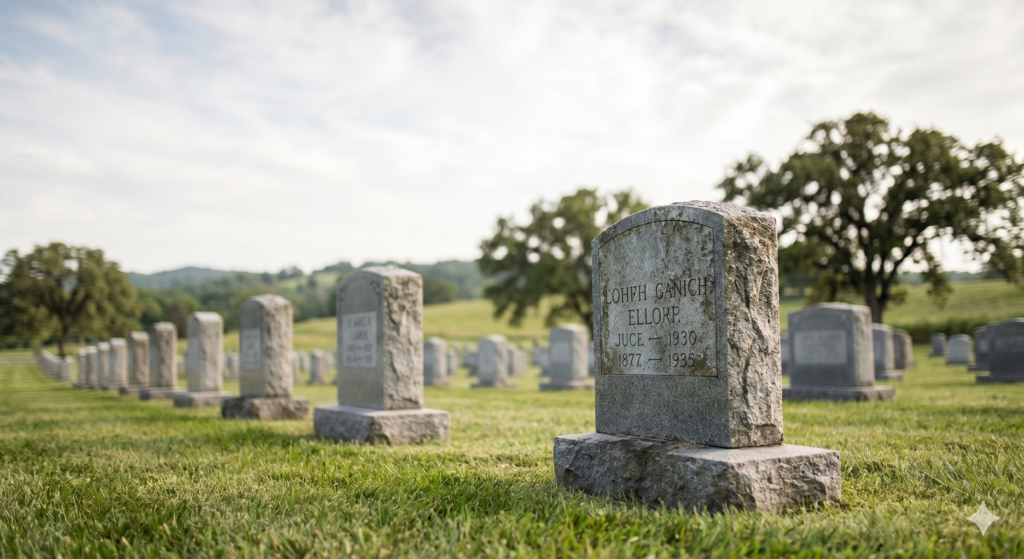
An interment ceremony, often called a graveside service, takes place at the site of the final placement. It may immediately follow a funeral service held at a chapel or place of worship, or it may be a standalone event.
The officiant leads the ceremony, offering prayers, readings, or reflective remarks. This may be a clergy member, a funeral celebrant, or a trusted friend or family member. If you have been asked to lead the service, our guide to officiating a funeral covers exactly what to say and how to prepare.
Pallbearers carry or escort the casket from the hearse to the graveside. This is considered an honor, and families typically choose six people who were close to the deceased.
The ceremony often includes one or more of the following elements:
-
- Scripture readings or spiritual passages
- A poem or personal tribute
- A moment of silence or prayer
- Military honors, where applicable. Families honoring a veteran may also want to learn what to expect during a military funeral service, including traditions such as the flag presentation and ceremonial honors.
- Symbolic gestures such as placing flowers on the casket or releasing biodegradable items
Religious and non-religious services differ in tone and content, but both serve the same purpose: to bring closure and honor the life of the person being remembered. The healing power of rituals in memorial services is well recognized, and even a simple graveside ceremony can provide enormous comfort to grieving families.
Interment of Ashes
As cremation has become more common, so has the interment of cremated remains. Families who choose cremation still have meaningful options for a permanent resting place.
Options for the interment of ashes include:
- Burial in a cemetery plot: Cremated remains can be buried in a traditional grave, often in a smaller plot specifically designated for urns.
- Placement in a columbarium niche: A niche in a columbarium wall provides a permanent, visible location that family members can visit.
- Burial in a family plot: Some families inter ashes alongside other family members in an existing grave or plot.
- Placement in a mausoleum: Some mausoleums have sections dedicated to urns as well as full-body crypts.
There are legal and practical considerations to keep in mind. Most cemeteries require that urns used for in-ground burial meet specific durability standards. You will also need to check local regulations and cemetery rules before choosing a location. A funeral director can help you navigate these requirements.
If your family is also exploring a more celebratory tribute, take a look at our celebration of life invitations for ideas that reflect the person’s unique spirit.
Planning an Interment Service
Planning ahead—even just a little—makes the day far less stressful. Here are the main decisions to work through.
Choosing a Location
The most common choices are a public cemetery, a religious cemetery, a memorial park, or a family plot. Some families choose a location with personal significance, such as near a place the deceased loved. Veterans may be eligible for burial in a national cemetery at no cost.
Timing
Interment does not have to happen on the same day as the funeral. Some families choose to have the main service first and schedule a private interment days or weeks later. Others prefer a graveside service as the only ceremony. There is no single right answer—it depends entirely on what feels right for the family.
Personalization Ideas
An interment service can be as simple or as meaningful as the family chooses. Consider incorporating the deceased’s favorite song played softly in the background, a reading of a poem they loved, or a small ritual that reflects who they were. Our collection of funeral program ideas can help you design a meaningful keepsake that guests take home from the service.
Why Interment Is Important
For many families, interment provides something irreplaceable: a place to return to. Grief does not end at the service. Having a permanent, physical location where a loved one rests gives family members a tangible destination for their remembrance—somewhere to go on anniversaries, birthdays, or simply when they feel the need to be close.
Beyond the personal, interment carries deep cultural and religious significance across many traditions. For those who practice certain faiths, proper interment is not just meaningful—it is required. Even for those without religious affiliations, the act of giving someone a permanent resting place honors their life and the relationships they built.
Interment also marks a meaningful milestone in the grieving process. The finality of the ceremony, as difficult as it is, provides a kind of structure that helps people begin to move through their loss rather than remain suspended in it.
Create a Meaningful Tribute for Your Loved One
Explore our memorial products and planning guides to help you honor your loved one’s memory with care, dignity, and personal meaning.
Final Thoughts
Interment is more than a procedural step at the end of a funeral—it is an act of love and respect. Whether you are planning a traditional graveside burial, arranging for the interment of cremated remains in a columbarium, or simply trying to understand what a term on a funeral program means, knowing what to expect can bring a measure of calm to an emotional time.
Take the process one step at a time, lean on the guidance of a funeral professional, and remember that there is no perfect way to say goodbye—only the way that feels most true to the person you are honoring.