Finding the right words to say goodbye is one of the hardest tasks we face during grief. Whether you are signing a card, attaching a note to flowers, figuring out what to text someone who is mourning, or delivering a tribute, funeral messages serve as a final bridge of connection between the living and the departed. If you have also been tasked with writing the formal summary of their life, utilizing the best obituary phrases can help you craft a meaningful, structured tribute alongside your personal sympathy words.
While it may feel like no combination of words is enough, it is important to remember that sincerity outweighs eloquence. Simple, heartfelt funeral messages provide immense comfort to the grieving, reminding them that they are not alone in their sorrow.
If you are looking for more ways to honor a loved one, explore our guide on meaningful quotes for funeral bookmarks. Or officiating a funeral with confidence and compassion
What Are Funeral Messages?
Funeral messages are brief expressions of sympathy, respect, and remembrance shared following a death. They can take many forms, depending on where they are being shared:
- Written: In sympathy cards, guest books, or on floral arrangement notes.
- Spoken: Shared during a wake, a celebration of life, or a formal eulogy.
- Printed: Included in funeral programs, prayer cards, or reflective ministry stationery like church visitor cards used to gather community prayers and support.
The primary purpose of these messages is to offer support to the family, celebrate the legacy of the deceased, and acknowledge the impact they had on the world.
What to Write in a Funeral Message
When you sit down to write, the “blank page” syndrome can be overwhelming. To create a meaningful message, follow these simple guidelines:
Keep it sincere and simple: You don’t need to write a masterpiece. A few honest words often carry the most weight.
Express sympathy and support: Let the family know you are thinking of them. Phrases like “I am so sorry for your loss” are timeless for a reason.
Share a brief memory: If appropriate, mention a specific trait or a short anecdote. Hearing how their loved one touched others is incredibly healing for a grieving family.
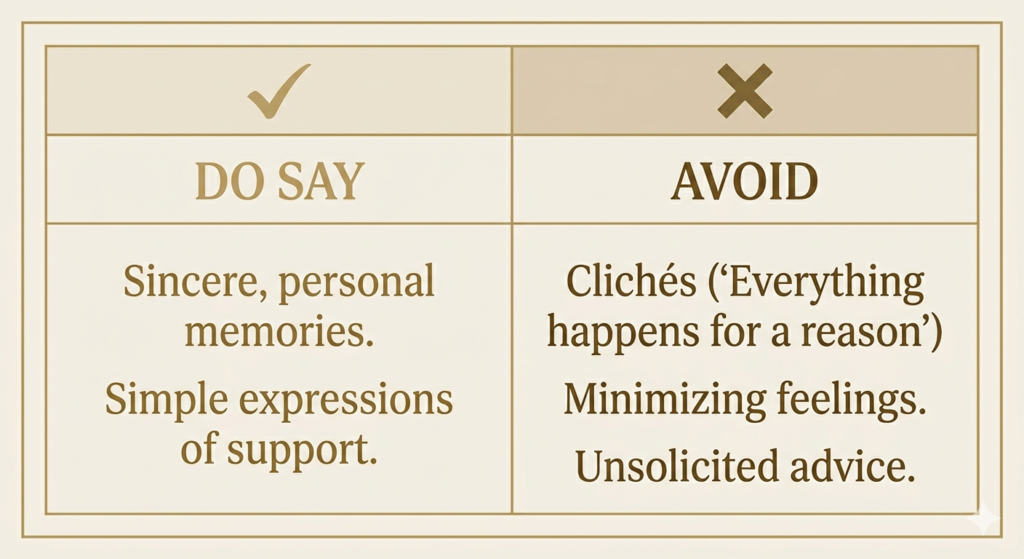
Avoid clichés: Try to avoid “everything happens for a reason” or “I know how you feel,” as these can inadvertently minimize the unique pain of the mourner.
Short Funeral Messages
Sometimes, less is more. These short funeral messages are perfect for when space is limited or when you want to be direct yet kind:
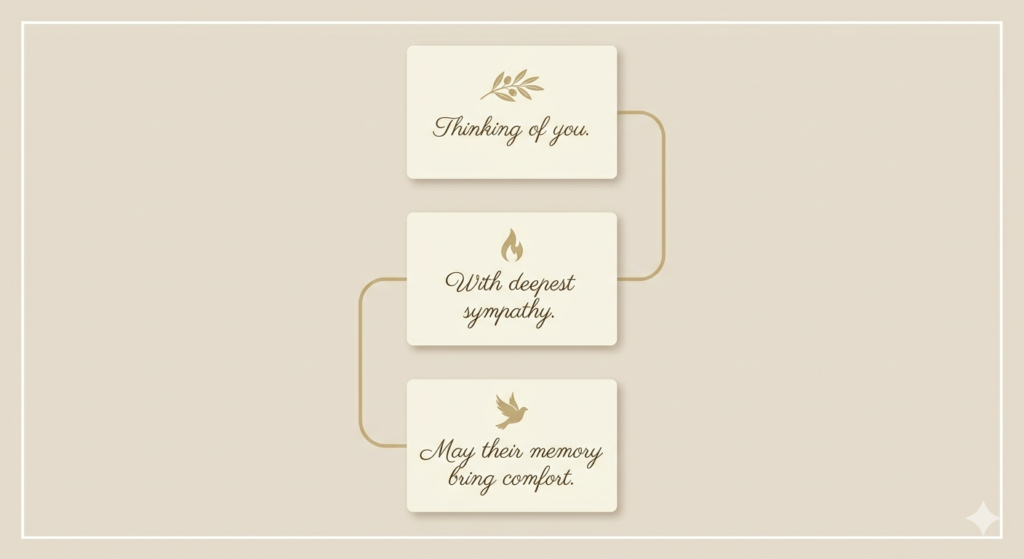
- “Thinking of you during this difficult time.”
- “With deepest sympathy for your loss.”
- “May their memory bring you comfort and peace.”
- “Wishing you strength and love as you navigate this journey.”
- “Rest in peace [Name], you will be missed.”
Funeral Messages for Family
Writing to family members requires a tone that acknowledges the profound shift in their daily lives. The relationship dictates the depth of the message.
For Loss of a Parent
The loss of a parent is a foundational shift. Acknowledge the legacy they left behind.
- “Your mother’s kindness was a gift to everyone who knew her. She will be deeply missed.”
- “Your father was a man of great character and guidance. I feel lucky to have known him.”
- “Sending you love as you honor the incredible life your parent lived.”
For Loss of a Grandparent
Losing a grandparent is the loss of a living link to family history, wisdom, and unconditional love. If you are not only writing a message but have been asked to speak at the service, our guide to writing a tribute to grandfather funeral offers full speech examples and practical steps to help you honor him with the words he deserves.
For Loss of a Spouse
This message should focus on the lifelong partnership and the deep emotional void left behind.
- “The love you shared was evident to everyone. I am holding you close in my heart.”
- “May the beautiful memories of your years together bring you a measure of peace.”
Funeral Messages for Friends
When writing for a friend, the tone can be warmer and more informal. Emphasize the bond you shared and offer your presence.
“I will never forget the laughter we shared and the way [Name] could light up a room. I am here for you, whatever you need, today and in the weeks to come.”
Religious vs. Non-Religious Messages
Religious Messages: If the deceased or their family is spiritual, faith-based comfort can be very powerful. Reference peace, heaven, or eternal life.
- “May you find comfort in God’s promise of eternal life.”
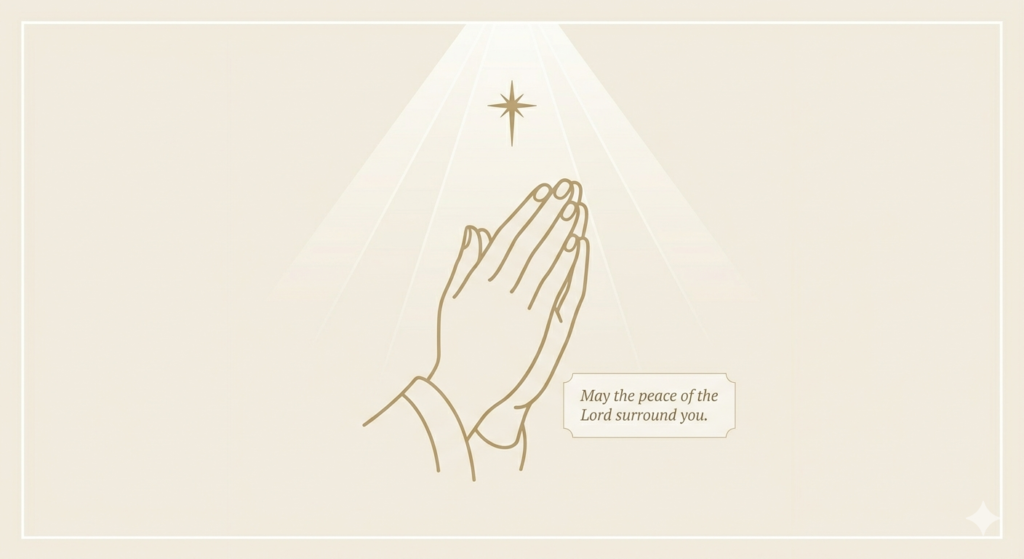
- “Praying that the peace of the Lord surrounds you during this time.”
Need inspiration? See our list of 20 Bible verses for funeral prayer cards.
Non-Religious Messages: Focus on human connection, legacy, and the enduring nature of love. Avoid spiritual assumptions if you aren’t sure of the family’s beliefs.
- “Their legacy will live on through the many lives they touched.”
- “May the love of those around you provide comfort in the days ahead.”
Funeral Messages for Flowers and Cards
Messages attached to formal funeral bouquets or standing sprays should be brief (usually 1–2 lines) and focused on elegant remembrance:
- “Forever in our hearts.”
- “Gone but never forgotten.”
- “With deepest sympathy, from the [Your Last Name] family.”
For Cards: You have more room here to be personal. A card allows you to bridge the gap between a simple “RIP” and a full tribute.
- “I was so saddened to hear of [Name]’s passing. I’ll always cherish the time we spent working together; they were a true mentor to me.”
What Not to Say
While most people have good intentions, some phrases can be unintentionally hurtful:
- Avoid minimizing: “They’re in a better place” (unless you know their specific faith).
- Avoid comparisons: “I know exactly how you feel.” Everyone grieves differently.
- Avoid unsolicited advice: “You should stay busy” or “It’s time to move on.”
- Avoid an overly casual tone: Keep the respect of the occasion in mind.
Tips for Personalizing Your Message
To make a message truly resonate, try to incorporate these elements:
- Use the deceased’s name: It validates their identity and the loss.
- Mention a specific trait: Were they funny? Kind? Stubborn in a lovable way?
- Match the tone: A message for a CEO will look different than one for a childhood best friend.
Why Funeral Messages Matter
An obituary or a sympathy card is often the first step in the long process of healing. These messages preserve a person’s legacy and ensure that their impact isn’t forgotten the moment they pass. They provide a tangible reminder to the family that their loved one mattered to the world.
Need Help Finding the Right Words?
If you are struggling to express your sympathy, Honor You offers resources and personalized services to help you create meaningful tributes that honor a life well-lived.
Final Thoughts
At the end of the day, funeral messages are about connection. Don’t let the fear of saying the “wrong” thing stop you from saying anything at all. A simple “I’m thinking of you” can be the light someone needs in their darkest hour.