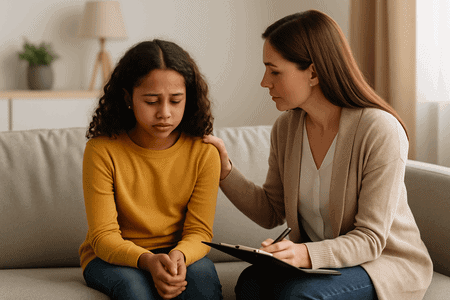
Losing a loved one is life-altering for anyone—but for children, the emotional weight can feel especially confusing and isolating. According to the Childhood Bereavement Estimation Model (CBEM), 1 in 12 children in the U.S. will experience the death of a parent or sibling by age 18 (Judi’s House, 2023). That’s more than 6 million children navigating grief before adulthood—many without the tools to understand or express what they’re feeling.
Unlike adults, children often don’t have the vocabulary, cognitive development, or emotional insight to process death in a linear way. They might not grasp the permanence of loss or may act out in unexpected ways. Grief doesn’t always look like sadness—it might appear as withdrawal, tantrums, regression, or trouble in school. When these behaviors go unnoticed or unaddressed, the effects can ripple through their development and mental health for years.
That’s why professional grief counseling tailored to children is critical. Trained therapists can help kids make sense of what happened, name difficult emotions, and feel safe enough to express their grief. Whether through play, art, or talk therapy, the right support provides a path toward healing.
This guide breaks down how grief in children differs from adult grief, what signs signal the need for counseling, and how to choose the right kind of help. It’s designed for parents, guardians, and caregivers who want to give children the support they need to cope—and eventually thrive—after a profound loss.
Let’s begin by understanding exactly how grief shows up in children and why it often looks different from what adults expect.
How Children Experience Grief Differently Than Adults
Children grieve in ways that often catch adults off guard—not because their pain is less, but because it surfaces in unpredictable forms. A child who just lost a parent might go from sobbing one moment to asking what’s for dinner the next. That emotional swing doesn’t mean they’re coping well; it usually means they’re overwhelmed by feelings they don’t fully understand.
Grief in children tends to come in waves, not in a continuous flow. Their brains are still developing, so they may not grasp the finality of death or how to process the routines that have suddenly been disrupted. The way they react—through questions, silence, or even silliness—is shaped by where they are emotionally and developmentally.
Emotional and Developmental Differences
Understanding a child’s reaction to loss starts with understanding how their age shapes their thinking. Young children—especially under 7—often don’t understand that death is permanent. They may think their loved one is coming back, or even believe their own thoughts or behavior somehow caused the loss.
For school-age children, grief can show up as confusion, guilt, or even magical thinking. They might regress to earlier behavior like bedwetting or clinginess. Teens may appear more stoic, but under the surface, they’re often feeling lost, angry, or deeply anxious.
Unlike adults, kids don’t usually sit and talk about their feelings. They express grief through behavior: mood swings, physical complaints, or acting out. When they don’t get the emotional guidance they need, their internal distress can spill over into academic or social problems.
| Age Group | Common Grief Responses |
| Toddlers (2–4) | Confusion, clinginess, changes in sleep or appetite |
| Young children | Misunderstanding death, regression, guilt |
| School-age (6–12) | Anger, sadness, academic decline, somatic symptoms |
| Teens (13+) | Withdrawal, risk-taking, deep sadness, resistance to help |
Common Signs a Child May Need Counseling
While many children show signs of sadness after a loss, some behaviors signal a deeper struggle. Parents and caregivers should pay attention when grief begins interfering with daily life—emotionally, socially, or physically.
Look for these signs:
- Prolonged withdrawal or isolation from family or friends
- Sudden drop in academic performance
- Increased irritability, outbursts, or aggression
- Recurring nightmares or sleep disruptions
- Persistent worry, separation anxiety, or excessive guilt
- Complaints of physical symptoms without medical cause (e.g., headaches, stomachaches)
- Loss of interest in play or hobbies they once enjoyed
Children won’t always say they’re struggling. Often, they show it instead. Early intervention through child bereavement counseling can prevent unresolved grief from turning into long-term emotional difficulties.
Types of Grief Counseling Services for Children
Grief counseling for children isn’t one-size-fits-all. The right support depends on a child’s age, personality, and the circumstances of the loss. Fortunately, several types of services exist—each with its own structure and benefits. Whether through private sessions, group support, or community-based programs, children can access guidance that meets them where they are emotionally and developmentally.
Individual Therapy
One-on-one therapy provides a safe, private space where children can begin to process painful emotions. Licensed child therapists—typically professionals with credentials like LCSW, LMFT, or LPC—use approaches tailored to the child’s age and needs.
Younger children might engage in play therapy, where toys, dolls, and games help them express emotions without needing words. For kids who struggle to talk about grief directly, art therapy can also be powerful. Through drawing, painting, or building, children explore thoughts they may not fully understand yet. Older children and teens may prefer talk therapy, where they can reflect, ask questions, or simply feel heard without pressure.
The key is that individual therapy builds trust first, then gently helps the child explore grief in a way they can manage. Over time, they learn to name their emotions and develop healthy ways to express them.
Group Therapy and Peer Support
Some children benefit from knowing they’re not alone. Group therapy brings together kids who have experienced similar losses—siblings, parents, grandparents, or close friends. These groups often meet in schools, hospitals, or nonprofit centers and are led by trained grief counselors.
In a peer group, children can see others expressing sadness, asking questions, or even laughing again—and that shared experience can ease feelings of isolation. Group sessions may include storytelling, role-play, journaling, or group discussions around memory-building.
Support groups also give kids language for their grief. When one child says, “I’m scared people will forget my dad,” others often nod in recognition. That shared acknowledgment is healing.
Family Therapy Options
Grief doesn’t affect children in a vacuum—it ripples through the entire family. Family therapy helps parents, guardians, and siblings talk openly about loss in a space guided by a professional.
Sessions focus on improving communication, recognizing each person’s grief patterns, and rebuilding routines together. For younger children especially, watching adults model how to talk about grief can help them open up. It also gives parents tools to continue the conversation at home and respond more calmly to emotional outbursts or confusion.
Family counseling works best when everyone’s voice matters. It doesn’t try to force closure. Instead, it helps families move forward together—with empathy and understanding.
School and Community-Based Support Services
Not every family has access to private counseling. That’s where schools, churches, and local organizations step in. Many schools offer support groups run by school counselors, social workers, or psychologists trained in bereavement care. These groups may meet weekly and focus on topics like remembering a loved one, managing changes at home, or dealing with difficult emotions during the school day.
Faith-based organizations and grief nonprofits also provide programs—some free, others at reduced cost. Programs like weekend retreats or seasonal workshops (often held around the holidays) can offer additional structure and support.
When parents don’t know where to start, asking a child’s school counselor or pediatrician can uncover community services they didn’t know existed.
How to Find the Right Grief Counselor for Your Child
Once you’ve decided your child could benefit from counseling, the next challenge is choosing the right professional. Not every therapist is trained to work with grieving children, and not every child connects with the first counselor they meet. A thoughtful approach can make all the difference in finding someone who truly understands how to support kids through loss.
What to Look for in a Child Grief Counselor
A strong clinical background is important, but it’s not the only factor. Look for a therapist who’s not only licensed but also trained specifically in working with children and grief.
Key qualifications to look for:
- Credentials: Licensed professionals such as LCSWs (Licensed Clinical Social Workers), LMFTs (Licensed Marriage and Family Therapists), or LPCs (Licensed Professional Counselors).
- Specialization in child psychology: They should understand child development and how grief affects behavior, mood, and learning.
- Grief-specific training: Ask if they’ve worked with bereavement cases, especially with children who’ve lost close family members.
- Approachability: Children need to feel safe. A good counselor knows how to build rapport through calm presence, patience, and age-appropriate language.
- Creative therapy methods: Experience with art, storytelling, sand tray, or play therapy is often essential for younger children who struggle to express complex feelings through conversation.
Questions to Ask Before Choosing a Provider
Before committing to a therapist, prepare to interview them—not just for qualifications, but to see if they’re a good fit for your child’s emotional needs. Here’s a practical list of questions to guide the conversation:
- How much experience do you have working with grieving children?
- Do you specialize in any particular age groups?
- What therapeutic methods do you typically use with kids—play, art, storytelling?
- How do you involve parents or caregivers in the process?
- What does a typical session look like?
- How do you track progress or adjust your approach over time?
- Do you offer virtual sessions if needed?
These questions help set clear expectations and give you a sense of their communication style—both with you and with your child.
Where to Search for Services
Finding the right provider doesn’t have to start from scratch. Some of the most trusted referrals come from people and institutions already in your child’s life.
Consider checking:
- Pediatricians: Many doctors keep lists of trusted child therapists in the area.
- School counselors or psychologists: Schools often work with local professionals who specialize in grief and loss.
- Hospitals and children’s health centers: Many offer in-house bereavement programs or can provide a referral.
- Funeral homes: Some funeral homes—like those who partner with Honor You—maintain a network of child grief support resources.
- Online directories: Use trusted sources like Psychology Today, TherapyDen, or the National Alliance for Children’s Grief.
- Grief organizations: Programs like the Dougy Center and Camp Erin often provide referrals or even on-site counseling options.
By taking the time to find a well-matched counselor, you’re not only helping your child get support—you’re setting the stage for genuine healing.
What to Expect During the Counseling Process
Knowing what happens during child grief counseling helps parents feel more confident—and helps children feel more secure. While each therapist has a slightly different method, most follow a structure that builds trust early on and adapts based on the child’s age, personality, and specific grief experience.
First Sessions and Assessment
The first session typically focuses on learning, not fixing. Counselors start by gathering background information from parents or caregivers. They’ll ask about the child’s personality, routines, medical history, and details surrounding the loss. These conversations help shape the goals for therapy.
For the child, the early sessions are gentle. Rather than diving straight into painful conversations, therapists ease in through familiar activities—drawing, reading, or simple games. This helps the child feel safe and respected. Trust is critical. Without it, a child may shut down rather than open up.
Once a foundation is established, the counselor works with the family to set clear, realistic goals. These might include reducing anxiety, helping the child sleep better, or creating a space where they can talk about the person who died.
Tools and Techniques Used in Child Grief Therapy
Therapists use a variety of techniques to help children express emotions and explore memories. The approach often depends on age and developmental level:
- Storytelling: Reading or creating stories gives children a way to talk about grief indirectly. Characters can mirror their feelings, helping them process without pressure.
- Play therapy: For younger children, toys become tools for expression. A dollhouse or puppet show may reveal what the child can’t yet verbalize.
- Creative expression: Drawing, collage, and other forms of art allow children to share without needing perfect words. Art helps externalize emotion, making it easier to explore.
- Role-play: Acting out situations—like saying goodbye or remembering a happy moment—can help kids rehearse emotional responses and find words for difficult thoughts.
- Emotional naming: One of the most essential tools is helping children learn to identify their feelings. Labeling emotions like sadness, anger, or guilt gives them power over experiences that otherwise feel overwhelming.

Timeline and Measuring Progress
Grief doesn’t follow a neat calendar. For some children, a few months of support may be enough. Others may need longer, especially if the loss was sudden, traumatic, or involved a parent or sibling.
Here’s a general breakdown of what many families can expect:
| Timeframe | Focus |
| First 2–3 sessions | Relationship-building, initial observations |
| 1–2 months | Emotional expression, identifying triggers |
| 3–6 months | Skill-building and memory integration |
| Ongoing (as needed) | Maintenance, check-ins, or crisis support |
Progress doesn’t always look like a breakthrough moment. Instead, it might show up as fewer meltdowns, better sleep, or a child saying “I miss them” without shutting down. Therapists typically share updates with parents and adjust the approach as the child grows more comfortable.
Free and Low-Cost Counseling Resources for Grieving Children
Grief counseling can feel out of reach for some families due to cost—but meaningful support doesn’t always come with a high price tag. Many organizations recognize the importance of accessible grief care for children and offer programs on a sliding scale, or completely free of charge. Knowing where to look can help parents find the right fit without financial strain.
Nonprofits with Sliding Scale Therapy
Several nonprofits across the country offer grief counseling for children using a sliding fee model. That means the cost is based on household income, and in many cases, sessions are free.
- The Dougy Center (Portland, OR): A national leader in childhood grief support, offering free peer groups and grief education for families.
- Ele’s Place (Michigan-based): Provides no-cost bereavement programming for children and teens in several Michigan regions.
- Brooke’s Place (Indianapolis): Offers support groups and therapy with scholarships or low-cost options for families in need.
Families can also search for local mental health organizations or hospice foundations, which often include grief therapy as part of their mission.
Grief Camps for Children
Grief camps create a healing space for children to connect, express emotion, and have fun in a supportive environment. Most camps are completely free and funded through donations or partnerships.
Here are two well-established programs:
- Camp Erin: Operated by Eluna Network, Camp Erin is the largest national bereavement program for youth grieving the death of someone significant. Camps are available in dozens of U.S. cities.
- Comfort Zone Camp: Based in Virginia but offering camps nationwide, Comfort Zone Camp is open to children ages 7–17. Programs blend traditional camp activities with structured grief support.
These camps aren’t just therapeutic—they’re also a way for kids to feel less alone by meeting others who’ve gone through similar loss.
Support from School Psychologists and Social Workers
Many public and private schools have on-site psychologists, counselors, or social workers trained in grief support. While these professionals may not offer long-term therapy, they can check in with children regularly, provide referrals, and help ease the stress of returning to school after a loss.
Some schools also partner with local nonprofits or hospices to run grief groups during the school day—particularly after a student or staff member’s death.
Parents should contact the school guidance office or district wellness coordinator to ask what grief resources are available.
Local Hospitals and Community Mental Health Centers
Hospitals with pediatric units or family wellness centers often provide counseling services—sometimes at reduced or no cost, depending on need and funding.
Community mental health clinics also offer access to licensed therapists and support groups. These centers are usually funded by state and local governments, and many work with Medicaid or offer payment assistance programs.
When families are unsure where to begin, calling 211 (a free, nationwide referral service) can quickly connect them with local low-cost counseling providers.
How Parents and Guardians Can Support Grieving Children at Home
Professional therapy plays a vital role, but what happens at home often has the greatest day-to-day impact on a child’s healing process. Children watch how adults respond to grief, and they often take their emotional cues from the people closest to them. Support at home doesn’t need to be complicated—it needs to be consistent, compassionate, and patient.
Below are simple, effective ways parents and guardians can provide that support, even outside the counseling room.
Normalize Conversations About Grief
Children need permission to talk about the person who died—without worrying that it will upset others. Avoiding the subject sends the message that grief is something to hide. Instead, bring up memories, say the loved one’s name, and respond calmly to tough questions.
Let kids know it’s okay to feel sad, angry, confused, or even happy while remembering. Emotions aren’t wrong—they’re part of healing.
Create a Memory Box or Journaling Ritual
Giving children a place to keep mementos—a photo, a favorite toy, a handwritten note—helps preserve a tangible connection. A memory box lets them revisit those items on their terms, when they feel ready.
For older children or teens, journaling can be especially helpful. Writing letters to the person they lost, listing favorite memories, or drawing pictures can provide a safe emotional outlet.
Maintain Consistent Routines
Grief can make children feel like their world has flipped upside down. One of the best ways to help is by restoring a sense of structure. Mealtimes, bedtime, and daily habits offer stability and predictability.
That doesn’t mean everything has to be rigid. It simply means children know what to expect—and that normal life continues, even as they grieve.
Avoid Pressuring Children to “Move On”
Adults often want to fix things quickly, especially when they see a child in pain. But grief doesn’t follow a schedule. Telling children to “be strong,” “cheer up,” or “move forward” can cause them to shut down emotionally.
Instead, let them know healing takes time, and you’ll be with them through every stage of it—no matter how long it takes.
Encourage Expression Through Play, Drawing, or Reading
Not every child can verbalize grief, especially younger ones. They process complex emotions through creative activities. Play allows them to act out feelings they might not fully understand. Drawing, painting, or building something can express what words can’t.
Reading books about loss written for children can also spark conversations. Stories help children understand that others have gone through similar experiences—and found ways to cope.
Honor You’s Role in Supporting Families Through Grief
Grief doesn’t follow a script—and every family’s journey through it looks different. At Honor You, we understand how complex and deeply personal loss can be, especially when children are involved. That’s why our commitment goes beyond memorial products. We support families by helping them honor their loved ones with meaning, while also offering resources that ease the emotional weight of bereavement.
Whether a family is navigating the sudden loss of a parent or helping a child say goodbye to a grandparent, we know how important it is to preserve memory and connection. For many children, having something tangible—something they can hold or look at—makes a lasting difference in how they process grief.
That’s where personalized keepsakes play a powerful role.
Items like custom prayer cards, photo bookmarks, or memory plaques can provide comfort and continuity. A child might keep a bookmark with their loved one’s picture tucked inside a school journal, or carry a small laminated photo in their backpack. These gentle reminders help children feel connected and supported in the everyday moments when grief can unexpectedly rise to the surface.
Alongside these products, we also share grief support information and counseling resources with the families we serve. When needed, we help connect them with services that guide children through the healing process—because remembering a loved one shouldn’t stop at the funeral. It’s something that continues, and we’re here for that journey too.
In the final section, we’ll wrap up with a reminder that early support can shape how children carry loss into the future—and how to take the next step when it’s time to reach out for help.
Conclusion
Grief in childhood is often misunderstood—but with the right support, it doesn’t have to define a child’s future. Early intervention matters. When children have the space, tools, and guidance to process loss in a way that fits their age and emotional development, they’re far more likely to grow through the pain with resilience and self-awareness.
Whether it’s through individual therapy, group support, or compassionate conversations at home, grieving children need consistent care. Small steps—like finding the right counselor or encouraging creative expression—can have a powerful, lasting impact on their emotional well-being.
If you’re supporting a child who’s grieving, don’t wait for them to “bounce back.” Grief isn’t something children outgrow—it’s something they learn to live with. And they shouldn’t have to do it alone.
Start by reaching out to a child grief counselor, school-based support program, or local nonprofit. Use the resources outlined in this guide to take the first step. Healing begins with connection—and help is closer than you think.