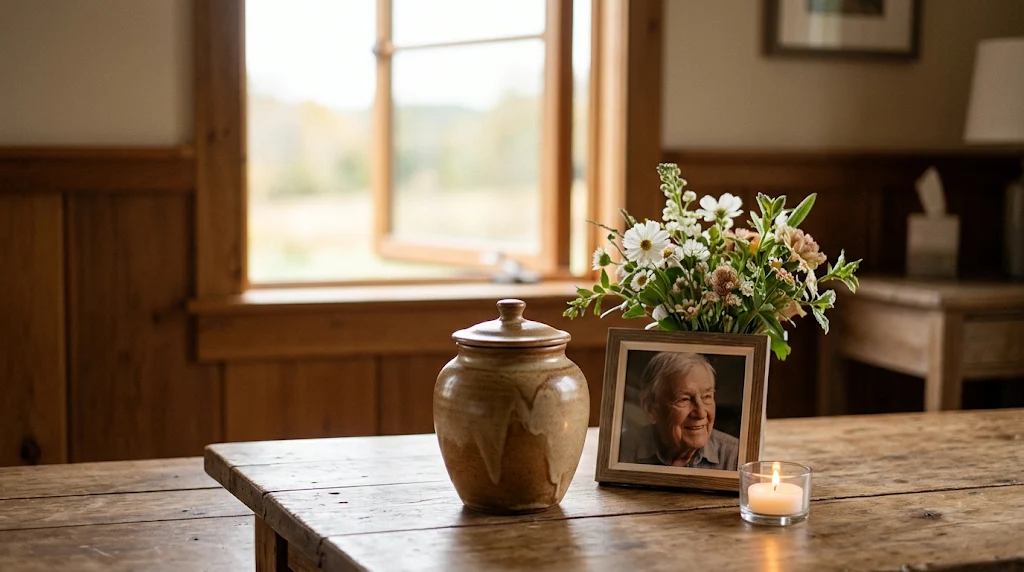
When a death occurs, families are immediately faced with dozens of decisions during one of the most vulnerable moments of their lives. Traditionally, those decisions centered on arranging a multi-day schedule: embalming, choosing an ornamental casket, coordinating viewings, organizing formal church services, and purchasing cemetery plots. However, American funeral traditions have undergone a monumental shift. Today, the majority of families are choosing a simpler, more dignified, and financially accessible alternative: direct cremation.
Often described as unattended cremation or cremation without a service, direct cremation handles the physical disposition of the deceased promptly and quietly. By bypassing the high-pressure sales, rigid schedules, and substantial overhead costs of conventional mortuary events, direct cremation gives families the breathing room they need to process their loss.
Crucially, choosing a simple cremation process does not mean forfeiting a meaningful farewell. Instead, it decouples the physical disposition of the body from the commemorative gathering, giving surviving loved ones complete freedom to hold a personalized memorial service, scattering ceremony, or celebration of life whenever and wherever they choose.
Whether you are coordinating arrangements after an unexpected loss or planning ahead for yourself, understanding how does direct cremation work will demystify the legal, logistical, and practical steps ahead.
A Modern Approach to Honoring Life: Direct cremation strips away the artificial urgency of traditional funerals. It handles the physical care of your loved one with quiet dignity, allowing your family to design a memorial gathering that genuinely reflects their personality—free from arbitrary venue schedules and exorbitant package markups.
Direct cremation is the disposition of the deceased by cremation shortly after death, without preliminary embalming, cosmetic preparation, viewing, or a formal funeral service beforehand. It is the most economical and straightforward disposition method available, providing prompt transportation, required legal paperwork, the cremation process itself, and the safe return of the ashes to the family.
What Is Direct Cremation?
To fully grasp what is direct cremation, it helps to examine how it differs from traditional arrangements. In a conventional funeral with cremation, the body is typically embalmed, dressed, placed inside a rented ceremonial casket, and displayed during a public visitation or chapel service before being transported to the crematory.
Direct cremation eliminates those intermediary steps. The body is transferred directly from the place of death to a licensed crematory or mortuary holding facility. Once state-mandated waiting periods pass and local health authorities issue permits, the cremation takes place in a simple container.
According to data from the Cremation Association of North America (CANA) and the National Funeral Directors Association (NFDA), cremation rates in the United States have surpassed 60% and are projected to approach 80% over the coming decades. Direct cremation represents the fastest-growing segment of this market. Families increasingly choose this option because it respects personal autonomy, eliminates thousands of dollars in non-essential merchandise, and permits loved ones scattered across the country to convene for a memorial service at a convenient, later date.
For an overview of how thermal reduction compares to traditional burial methods, read our comprehensive guide on cremation vs. burial.
How Does Direct Cremation Work? (The Step-by-Step Process)
Grief often generates profound anxiety, particularly when families do not know what happens behind the scenes. The logistical steps of direct cremation follow a precise, heavily regulated sequence designed to guarantee chain of custody, legal compliance, and dignified care.
Step 1: First Call and Secure Transport
When death occurs—whether at a private residence, hospice facility, hospital, or care home—the family or care staff contacts the chosen crematory or funeral establishment. A professional removal team is dispatched to transport the deceased. The individual is transferred into the care of a climate-controlled, secure holding facility. Upon arrival, an indelible identification band is placed on the body, initiating a documented chain-of-custody log that tracks every subsequent movement.
Step 2: Legal Authorizations and Government Permits
Before any cremation can occur, strict statutory requirements must be satisfied:
- The Death Certificate: The attending physician, medical examiner, or hospice nurse must certify the medical cause of death. The funeral director files this document with the local registrar of vital statistics.
- Cremation Authorization Form: Because cremation is irreversible, the legal next of kin (or a designated healthcare power of attorney with disposition authority) must sign a detailed authorization form giving the facility permission to proceed.
- County Cremation Permit: The county medical examiner or coroner reviews the death certificate and officially issues a cremation disposition permit.
- Mandatory Waiting Periods: Most states mandate an explicit waiting period—typically 24 to 48 hours following the time of death—before the process can physically take place.
Step 3: Preparation and the Alternative Container
Because there is no public viewing, embalming—the chemical preservation of tissues using formaldehyde solutions—is entirely unnecessary and not performed. The body is respectfully bathed, inventoried, and placed inside an “alternative container.”
An alternative container is a rigid, combustible enclosure made of heavy corrugated fiberboard, pressed composite wood, or unfinished pine. It ensures the dignified handling of the deceased and satisfies occupational safety regulations for crematory staff. At this stage, technicians safely remove battery-operated medical implants, such as pacemakers or spinal stimulators, as these devices can detonate under intense heat and damage the chamber walls.
Step 4: The Cremation Process
The container is placed inside the cremation chamber, formally known as a retort. Powered by natural gas or propane, the retort is lined with industrial refractory brick capable of sustaining temperatures between 1,400°F and 1,800°F. Over a period of two to three hours, intense thermal energy and oxidation reduce organic matter to basic elements and calcified bone fragments. State regulations stipulate that only one human body can occupy a retort at a single time.
To learn more about the scientific mechanics behind the process, explore our in-depth article explaining what is cremation.
Step 5: Processing and Packaging
After the heating cycle finishes, the chamber undergoes a controlled cooling period. Using specialized tools, the technician sweeps all remaining bone fragments into a collection pan. Any non-combustible surgical metals—such as titanium hip joints, stainless steel screws, or dental gold—are separated using industrial magnetic sweeps and sent for ethical recycling. The remaining bone structures are placed inside a mechanical processor (a cremulator) that gently reduces them into uniform, light-gray mineral particles commonly called ashes or cremated remains.
Step 6: Return of the Remains
The processed remains—typically weighing between 4 and 8 pounds depending on bone density—are enclosed in a clear, heavy-duty polyethylene plastic bag secured with an identification zip-tie. This liner is placed inside a durable temporary container (often made of molded plastic or heavy cardstock) or placed directly into an urn supplied or selected by the family. The family receives the remains via:
- Scheduled in-person pickup at the crematory or funeral office.
- Hand delivery by funeral staff to the family residence.
- Secure shipment via USPS Priority Mail Express (the only legal postal method in the United States for transporting human cremated remains).
Looking for Transparent, Licensed Cremation Services?
Finding compassionate, affordable care shouldn’t be complicated. Search our curated directory of vetted cremation providers to compare certified facilities, services, and upfront pricing.
What Is Included vs. Not Included in Direct Cremation?
Funeral pricing can occasionally confuse consumers who are unfamiliar with industry invoices. When purchasing direct cremation, state and federal laws require providers to disclose exactly what services are covered under their baseline package and which items are treated as optional additions or third-party cash advances.
| Typically Included in Base Packages | Typically Excluded (Extra Fees or Cash Advances) |
|---|---|
| Basic Professional Services: Funeral director and overhead staffing costs for administrative logistics. | Certified Death Certificates: County fee per official copy (typically $15 to $35 each depending on your state). |
| Local Transfer: First-call removal of the deceased from place of death (typically within a 25–30 mile radius). | County Medical Examiner Permits: Local municipality fees required to approve cremation (ranges from $50 to $300). |
| Climate-Controlled Sheltering: Professional refrigeration during mandatory state waiting periods. | Private Identification Viewing: An optional 15-to-30 minute private family viewing prior to cremation. |
| Alternative Cremation Container: Standard combustible cardboard or fiberboard container. | Decorative Memorial Urns: Upgraded wood, ceramic, or brass vessels for permanent placement or display. |
| The Cremation Process: The physical reduction inside the crematory retort. | USPS Priority Mail Express Shipping: Specialized postal fees if ashes are shipped to family rather than picked up. |
| Temporary Urn: Standard cardboard or hard plastic transit container for safe ash return. | Cemetery Fees: Opening, closing, or perpetual care charges for burial plots or columbarium niches. |
How Much Does Direct Cremation Cost?
One of the primary drivers behind the rapid adoption of direct cremation is cost transparency. A conventional full-service funeral—complete with embalming, viewing, a decorative metal casket, hearse transport, and burial vault—routinely exceeds $7,500 to $10,000+ according to national averages, excluding cemetery plot purchases.
In stark contrast, the average direct cremation cost typically ranges between $1,000 and $2,500 nationwide. Regional pricing varies depending on local cost of living and whether you contract directly with an independent crematory or through a full-service funeral home.
Consumer Protections Under the FTC Funeral Rule
Many families are unaware that they are backed by federal consumer protections. The Federal Trade Commission’s (FTC) Funeral Rule provides critical rights designed to prevent predatory pricing:
- Upfront Price Disclosures: Funeral providers must give you itemized pricing over the telephone upon request and provide a printed General Price List (GPL) when you inquire in person.
- No Mandatory Caskets: No provider may tell you that state law requires a casket for direct cremation. Federal law explicitly entitles you to use an inexpensive alternative container.
- Freedom of Third-Party Purchases: Facilities cannot refuse, or charge extra handling fees for, urns or merchandise purchased online from third-party retailers.
- No Mandatory Embalming: Embalming cannot be claimed as a universal legal requirement for direct disposition.
Review our educational library on affordable cremation to learn how to read itemized quotes and avoid unnecessary service markups.
Pros and Cons of Direct Cremation
Like every end-of-life decision, direct cremation vs traditional cremation involves emotional, financial, and practical trade-offs. Weighing both perspectives helps ensure the arrangement aligns with your family’s emotional and spiritual values.
The Advantages (Pros)
- Substantial Financial Relief: Saving thousands of dollars prevents surviving families from incurring credit card debt or relying on emergency community fundraisers during a bereavement crisis.
- Freedom from Time Constraints: Traditional viewings must happen within days of death. Direct cremation allows families weeks or months to arrange a gathering, making travel feasible for distant relatives.
- Logistical Simplicity: Making dozens of high-stakes purchases while emotionally exhausted is taxing. Direct cremation requires signing minimal paperwork, allowing family members to focus entirely on personal grief.
- Flexible Memorial Options: Cremated remains can be divided among siblings in keepsake urns, incorporated into jewelry, scattered across meaningful natural locations, or preserved at home.
The Considerations (Cons)
- No Traditional Open-Casket Farewell: For individuals whose grieving process depends heavily on seeing the deceased person’s physical body one last time, an unattended cremation may feel abrupt.
- Self-Directed Ceremony Coordination: Because funeral home staff are not hired to coordinate a ceremony, the family assumes responsibility for organizing event spaces, programs, and audio equipment for any future memorial.
How to Memorialize After a Direct Cremation
Opting for direct cremation does not mean saying goodbye in silence. Many families find that moving the memorial away from a formal chapel creates an atmosphere that is significantly more authentic, warm, and comforting. Common ways families choose to celebrate a life after direct cremation include:
- Personalized Celebrations of Life: Hosting an informal gathering at a private home, botanical garden, beach club, or community center. The urn can serve as a central altar accent alongside framed family photographs, floral arrangements, and personalized memorial print stationery.
- Scattering Ceremonies: Returning the ashes to nature through an ocean charter, mountain hike, or private land ceremony. Always check municipal regulations, maritime laws (EPA guidelines require scattering three nautical miles offshore), or national park permits before planning a ceremony.
- Permanent Placement in a Cemetery: Placing remains in a cemetery columbarium niche, an urn garden, or an existing family burial plot provides a physical marker for future generations to visit.
- Artistic Keepsakes: Dividing a small portion of ashes into cremation jewelry pendants, blown-glass memorial paperweights, or soil mixtures designed to nurture a commemorative memorial tree.
Frequently Asked Questions About Direct Cremation
Do you have to buy a casket for direct cremation?
No. You are never legally required to purchase a traditional casket for direct cremation. Under the FTC Funeral Rule, providers must offer an inexpensive alternative container—typically made of rigid cardboard or pressed wood—which is incinerated during the process. You may also provide your own combustible container if it meets the facility’s structural standards.
Can the family view the body before direct cremation?
Yes, in most cases. While direct cremation does not include a public visitation or wake, many crematories offer a brief, private “identification viewing” for immediate family members (typically limited to a few close individuals for 15 to 30 minutes). This allows loved ones to verify identity and achieve closure. Facilities typically charge a modest scheduling fee for this service.
How long does the entire direct cremation process take?
From the time of death to the return of the ashes, the complete process generally takes between 7 and 14 business days. The cremation itself takes only a few hours; the primary timeline variable is bureaucratic. Securing the attending doctor’s signature on the death certificate and waiting for the county health department to approve the cremation permit account for most of the waiting period.
Is direct cremation environmentally friendly?
Direct cremation eliminates toxic chemical embalming fluids (such as formaldehyde) and saves substantial land, metal, and concrete resources otherwise used in subterranean burial vaults. While traditional flame cremation does consume natural gas and release carbon, many families offset this by planting memorial trees or choosing emerging alternatives such as water cremation (alkaline hydrolysis), where legally available.
Choosing direct cremation gives your family the gift of time, financial peace, and creative freedom. By caring for your loved one’s physical needs with simplicity and respect, you can channel your emotional energy where it matters most: honoring a legacy, sharing precious memories, and supporting one another through grief.
Ready to compare trusted local providers? Explore our directory of verified cremation providers, read customer reviews, and coordinate dignified memorial services tailored to your family’s exact wishes.