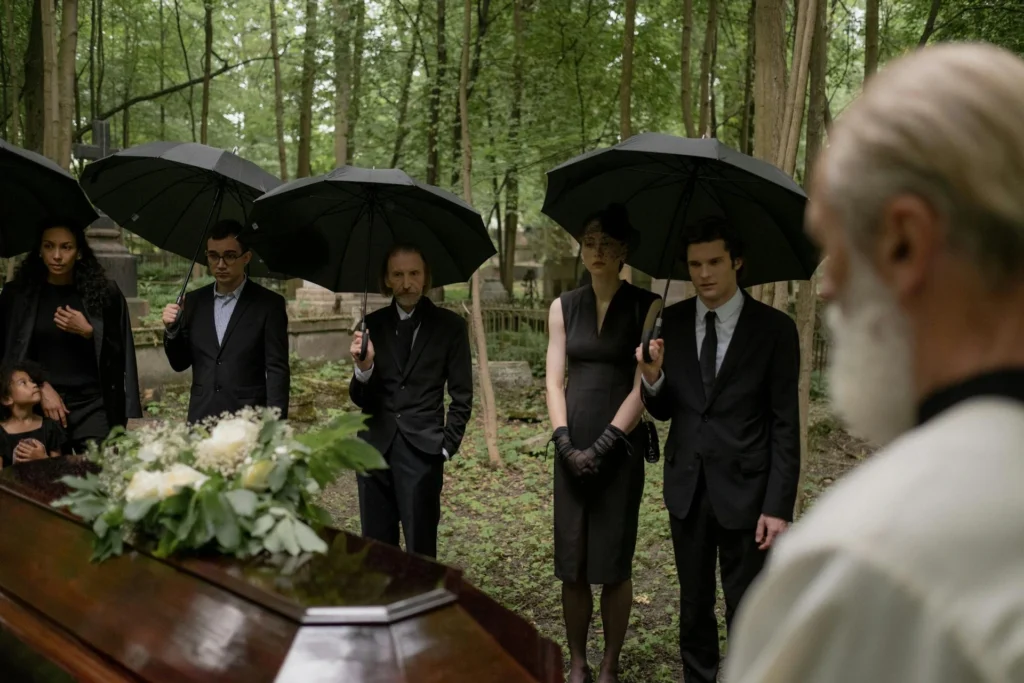
When a loved one passes away, the farewell process often involves several meaningful rituals, and one of the most significant is the committal service. A committal service is the final part of a funeral proceeding, marking the formal moment when the deceased is entrusted to their final resting place. It is the point at which family and friends gather to say their final goodbyes before burial or cremation.
The committal service plays a deeply important role in funeral proceedings. It provides a structured, often spiritual or ceremonial closure to the grieving process, giving mourners a dedicated moment to acknowledge the finality of loss. Whether led by a religious officiant, a celebrant, or conducted in a secular manner, this service brings a sense of dignity and respect to the farewell.
A committal service can take place in two primary contexts. In a burial setting, it typically occurs at the graveside, where the coffin is lowered into the ground as final words are spoken. In a cremation context, it takes place at the crematorium, where the coffin is received before the cremation process begins. In both cases, the committal service serves as a powerful and heartfelt conclusion to the funeral proceedings.
Committal Service Meaning
At its core, a committal service is the ceremonial act of committing the body or ashes of the deceased to their final resting place. The term “committal” itself comes from the act of entrusting – of formally placing a loved one into the care of the earth, a tomb, or a niche. The final committal is the defining moment of this ceremony, representing the last physical act performed on behalf of the deceased before they are permanently laid to rest.
A committal service is typically held at one of three locations, depending on the wishes of the deceased and their family. The most traditional setting is the graveside, where mourners gather around the burial plot as the coffin is lowered into the ground. Alternatively, it may take place at a mausoleum, an above-ground structure where the deceased is interred in a chamber, or at a columbarium, a dedicated space for urns containing cremated remains.
Regardless of the setting, the committal service marks the final act of laying a loved one to rest. It is the moment where words give way to silence, and the physical presence of the deceased transitions into memory. For many, this is the most emotionally profound part of the entire funeral process.
Perhaps most importantly, the final committal offers symbolic closure. It allows family and friends to bear witness to the farewell, to stand together in grief, and to find a sense of peace in knowing that their loved one has been honoured with dignity and care. This shared experience can be an essential step in the healing journey for those left behind.
When Does a Committal Service Take Place?
The timing of a committal service depends on the type of funeral, family preferences, and sometimes religious or cultural traditions. In most cases, it takes place right after the main funeral service. After the chapel or church ceremony, everyone travels together to the graveside or crematorium, where the committal brings the day to a close.
Sometimes the committal service and the burial service happen in the same place, with no separate indoor ceremony beforehand. Families who prefer a simpler, more intimate goodbye often choose to gather directly at the graveside and hold everything there in one go.
A committal service can also be either private or open to all. Some families invite everyone who attended the funeral to be present, while others keep this final moment just for close family. There’s no right or wrong choice. It simply comes down to what feels right.
When it comes to cremation, the timing can be a little different. The committal service sometimes takes place a few days after the cremation itself, especially when the family wants to hold a separate memorial before deciding where the ashes will rest. This gives everyone a bit more time to plan something meaningful without feeling rushed.
What Happens During a Committal Service?
Opening Words or Scripture
For anyone wondering what happens at a committal service, the ceremony usually follows a simple and gentle structure, beginning with opening words.
The service often closes with a small personal gesture, throwing a handful of soil, placing flowers, or leaving a personal item on the casket. For those who served in the military, this may also include formal honors such as a flag presentation, ceremonial folding, or a bugle call. Families who are planning this type of tribute may find it helpful to understand what happens during a military funeral service so they know what traditions and honors may be included.
In non-religious services, the officiant might instead offer a personal reflection, a meaningful quote, or simply a few warm words about the person being remembered. Either way, the opening is meant to bring everyone present into the moment and create a sense of calm before the final goodbye.
Final Prayers or Blessings
Toward the end of the graveside service, a final prayer or blessing is said as a last farewell. In religious ceremonies, this is usually led by a priest, minister, or rabbi. In non-religious services, a celebrant steps in to offer a few closing words of comfort.
Sometimes, a family member chooses to do this themselves, which can make the moment feel even more personal. However it’s delivered, it brings the service to a peaceful and respectful close.
Words of Committal
The words of committal are the heart of the entire ceremony. This is the moment when the officiant speaks the formal farewell, often along the lines of “We commit this body to the ground” or “We commit these ashes to their resting place.” These words, simple as they are, carry a great deal of weight. They mark the exact point at which the goodbye becomes final.
This is usually accompanied by a symbolic act. Either the lowering of the casket into the ground or the placing of the urn in its chosen resting place. Many families also choose to participate directly at this point, scattering soil or flowers onto the casket as it is lowered. It is a brief but deeply moving moment, and for many people, the one they remember most.
Closing Ritual
The service often closes with a small personal gesture, throwing a handful of soil, placing flowers, or leaving a personal item on the casket. For those who served in the military, this may also include military honors such as a flag presentation or a bugle call, adding a final note of respect and dignity to the farewell.
Committal Service vs Funeral Service
When comparing a funeral vs committal service, the key difference is simple. A funeral is the main ceremony, usually held in a church, chapel, or funeral home, with eulogies, music, and a larger gathering. A committal service is shorter and more focused, taking place at the burial site or crematorium. It’s the final, physical farewell. While reflecting on the broader meaning of funerals helps us appreciate how the main ceremony brings the larger community together with eulogies and music, a committal service is shorter, more intimate, and focused specifically on the physical act of farewell at the burial site or crematorium.
The two can be held together or separately, depending on what the family prefers.
A memorial service is different from both. It’s usually held without the body or ashes present and can take place weeks or even months after the death. A committal service always involves the physical presence of the deceased and marks one specific, final moment. If you’re planning a cremation, it’s also helpful to understand how long funeral homes keep ashes, especially if you need extra time before deciding on a permanent memorial or final resting place.
Religious and Cultural Traditions
Committal traditions vary widely across religions and cultures, but the committal prayer and the act of farewell remain central to almost all of them.
In Christian traditions, the graveside committal typically includes a committal prayer, scripture readings, and the familiar words “ashes to ashes, dust to dust.” The tone is one of hope and resurrection, with the ceremony often led by a priest or minister.
In Jewish customs, burial is carried out as soon as possible after death, usually within 24 hours. The service is simple and focused, with an emphasis on respecting the deceased. Family members often participate in filling the grave, which is considered an act of great honor.
Muslim burial practices also call for a swift burial, ideally before sunset on the day of death. The body is washed, wrapped in a white shroud, and buried facing Mecca. Prayers are said throughout, and the ceremony is kept simple and reverent.
For those who prefer a secular or personalized committal, there are no set rules. Families are free to include meaningful music, personal readings, or any ritual that feels right. These ceremonies can be just as powerful and moving as any religious tradition.
Who Leads a Committal Service?
A committal service can be led by different people depending on the family’s wishes and beliefs:
- Clergy – a priest, minister, rabbi, or imam typically leads religious committal services, offering prayers and scripture in line with the faith tradition of the deceased.
- Funeral celebrant – for non-religious or personalized services, a celebrant leads the ceremony, delivering words that reflect the life and personality of the person being remembered.
- Family member – some families choose to lead the service themselves, making it a more intimate and personal farewell.
- Military representative – if the deceased was a veteran, a military representative may lead or assist with the service, carrying out formal honors on behalf of their branch of service.
How Long Is a Committal Service?
A committal service is intentionally brief:
- 10-20 minutes – most committal services last somewhere between ten and twenty minutes, though this can vary depending on the traditions followed and the wishes of the family.
- Short and intimate – unlike the main funeral service, the committal is kept short by design. It’s a focused, quiet moment shared by those closest to the deceased.
- Focused on closure – every element of the service is there for a reason. There’s no filler. Just the words, gestures, and rituals that matter most.
Planning a Committal Service
Planning a graveside ceremony doesn’t have to be overwhelming. Here are the key things to consider:
- Choosing readings – pick a passage, poem, or quote that felt meaningful to the person you’ve lost. It doesn’t have to be religious, anything that captures who they were works perfectly.
- Selecting music – a short piece of music can add a lot to the atmosphere. This could be played from a speaker, sung by a family member, or performed live if circumstances allow.
- Coordinating with the cemetery – speak to the cemetery or crematorium in advance to understand what’s permitted, confirm timings, and arrange any practical details like seating or flowers.
- Personalization ideas – small touches can make a big difference. Consider releasing flowers into the grave, placing a meaningful item with the deceased, or inviting attendees to share a few words.
Emotional Importance of the Committal Service
The committal service is short, but it stays with people. Having a clear, defined moment to say goodbye helps make sense of a loss that can otherwise feel overwhelming. It gives grief a place to land.
For many, watching the casket be lowered or the urn being placed is the moment it all becomes real. As painful as that is, it’s also where healing begins.
It’s also a moment shared with others. Standing together, going through the same goodbye, that kind of shared experience brings comfort in a way that’s hard to explain but easy to feel.
In the end, a committal service is a small ceremony with a big purpose. It marks the final farewell and quietly opens the door to remembrance and healing.