
Zoroastrian Funeral Traditions
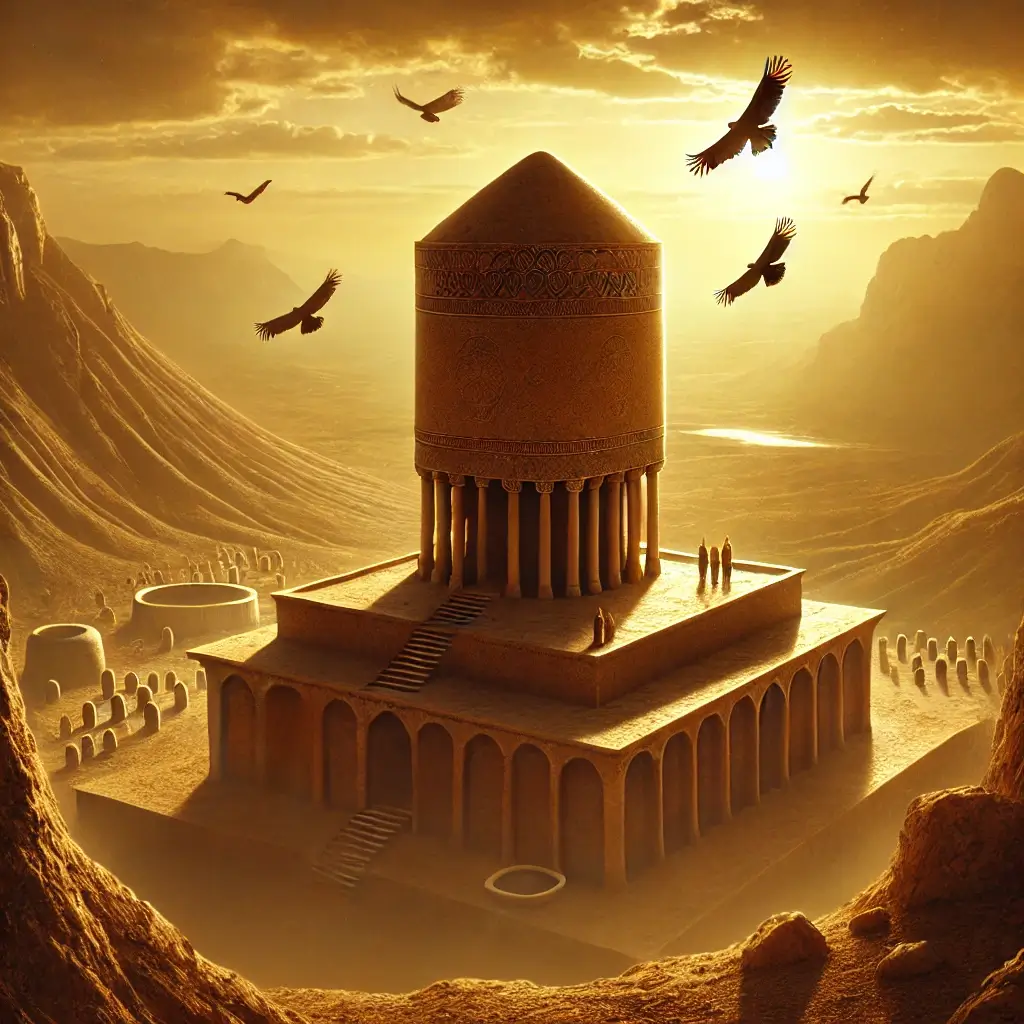
Zoroastrian Funeral Traditions comes from a very old faith, which is referred to in sources such as the Videvdad. In this tradition, death is a transition, not a termination. The prophet Zoroaster initiated this faith, which is centred on the eternal conflict between good (asha) and evil (druj). The funeral tradition is respectful towards the […]
Catholic Funeral Rites
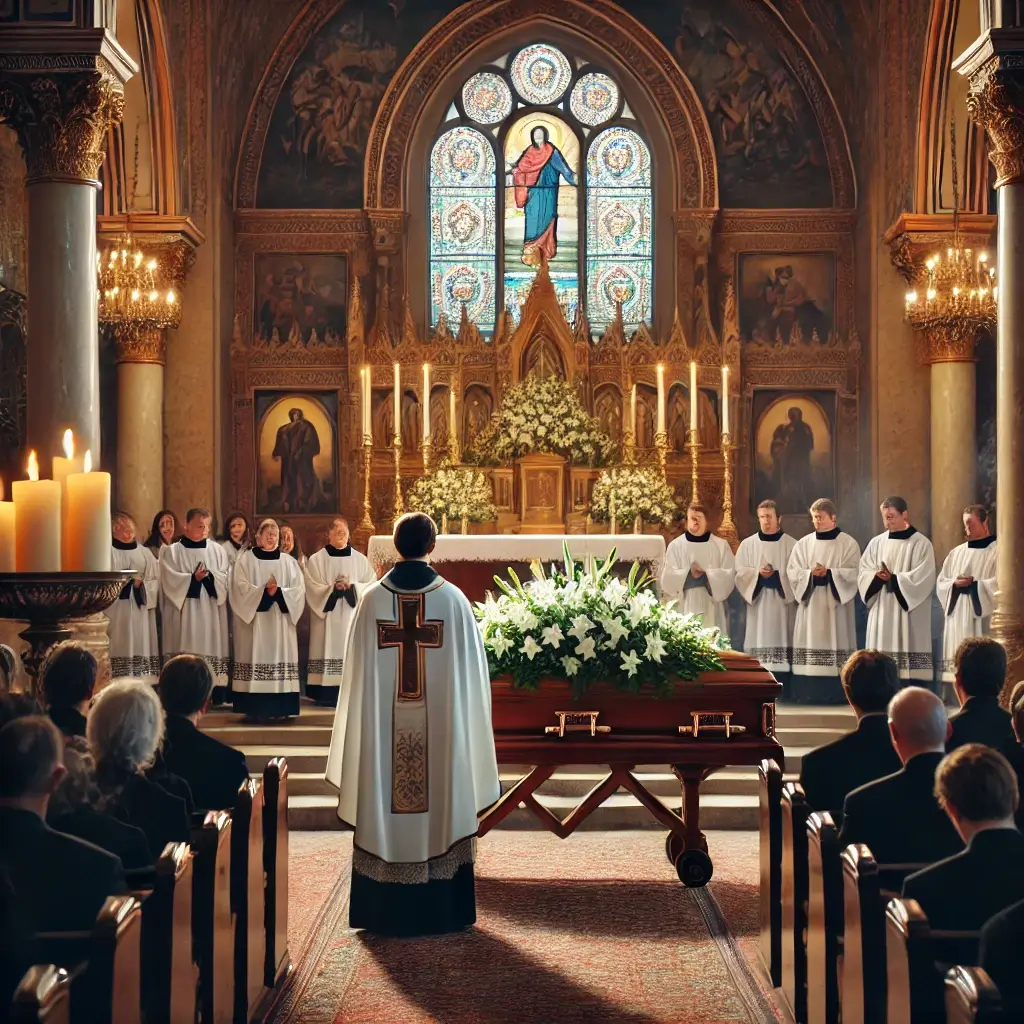
Death is not considered the end in Catholicism but the passage to life eternal. It is this belief that, in fact, reflects in each rite of Catholic funerals, where the family shows their grief for the loss and honors their loved one with prayers, scriptures, and sacred traditions. The order of the burial follows more […]
Muslim Funeral Traditions

Islamic funeral customs are the product of Islamic beliefs and possess one of humility, simplicity or respect. Resurrection after death and Day of Resurrection are the belief centers of such customs. The Prophet Muhammad (peace be upon him) teaching and the modesty of the dead are under the command of Muslim funeral customs. Every procedure, […]
Jewish Funeral Practices
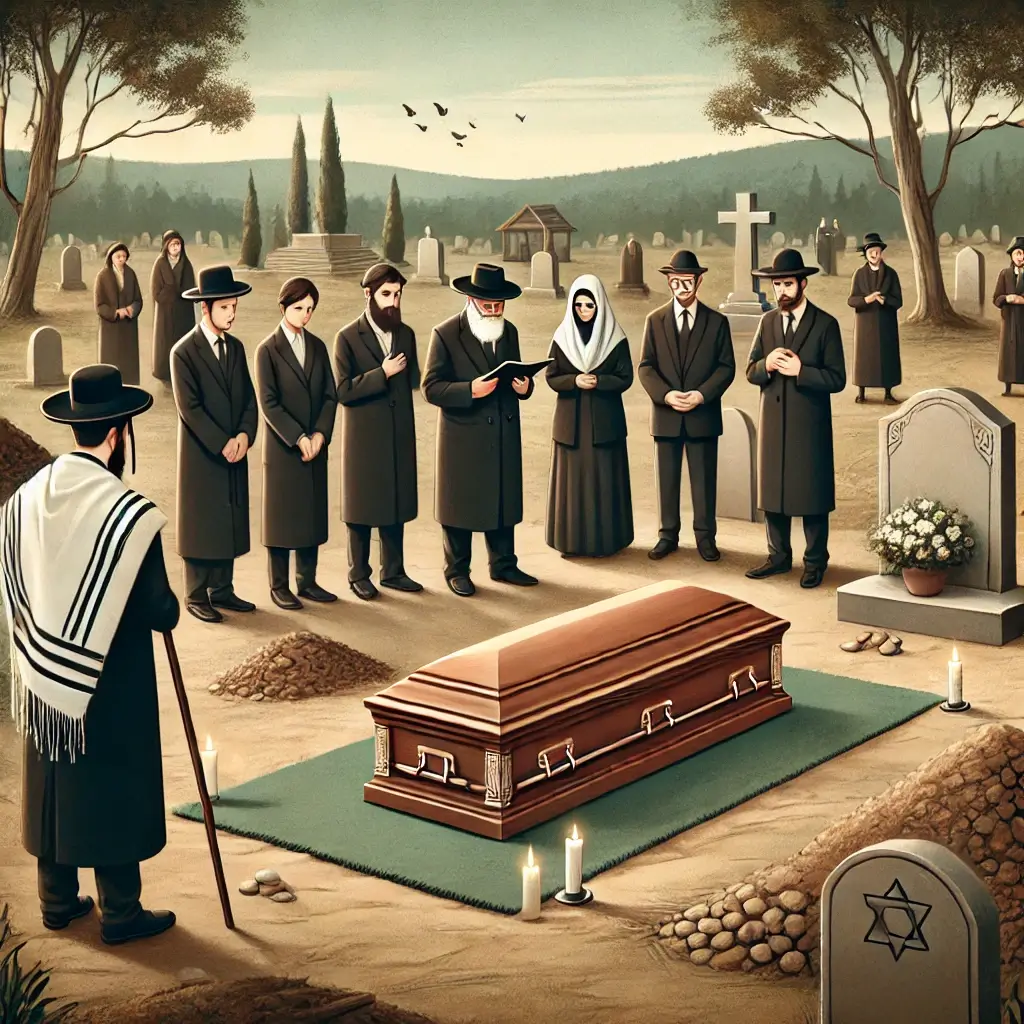
Jewish funeral practices are based on humility, dignity, and tradition. They attempt to honor the dead while consoled and comforting the mourners. Drawing from Jewish law (Halacha), the traditions reflect basic principles about life, death, and the afterlife. The practices esteem simplicity, equality in death, and keeping the dead with dignity. Overview of Jewish Beliefs […]
Sikh Funeral Ceremonies
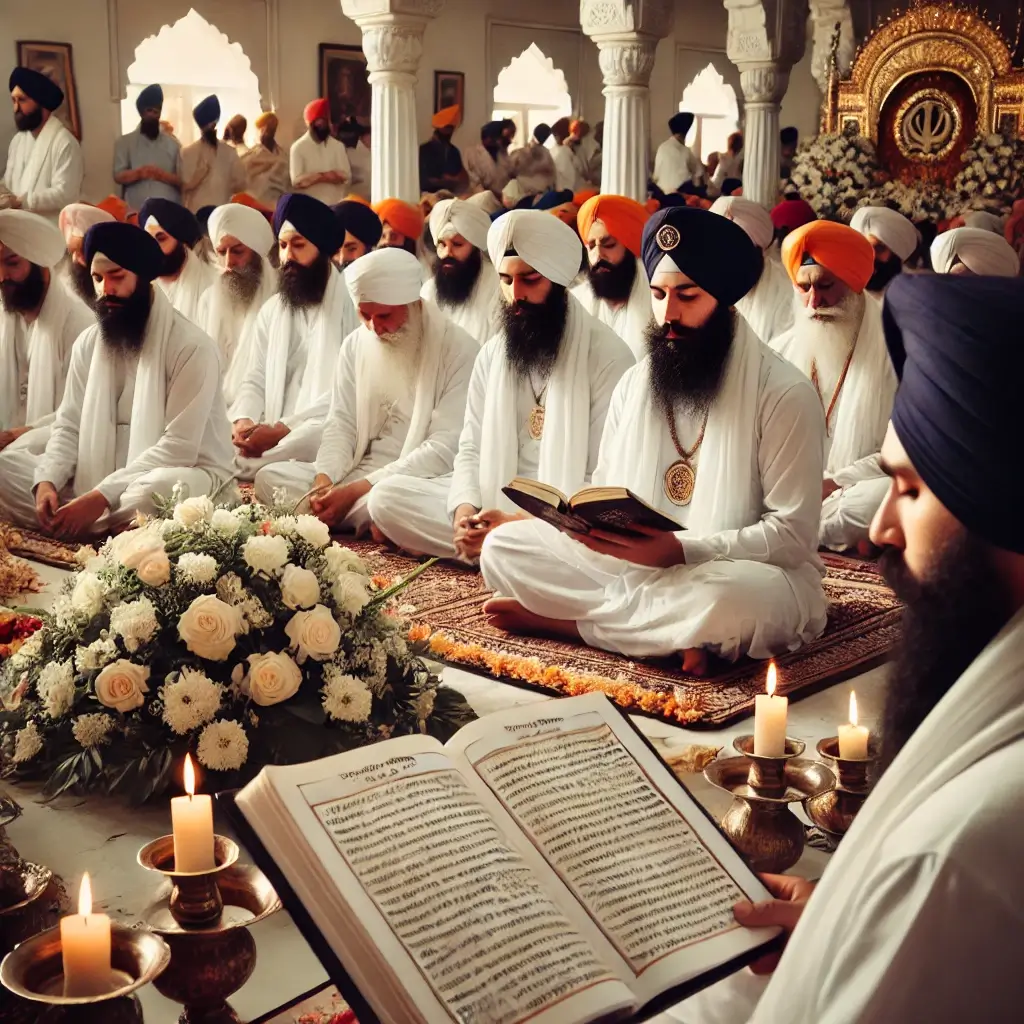
Sikh death rituals, or Antam Sanskar, emphasize spiritual freedom from life not grief. Death, in this context, is merely a journey of the soul returning to Waheguru (the Divine). The rites emphasize prayer, family support, and remembering the person over lamenting despair. Sikhs do recognize the birth, death, and reincarnation cycle but also ultimately seek […]
Chinese Funeral Practices: Traditions, Ancestral Worship & Mourning Rites
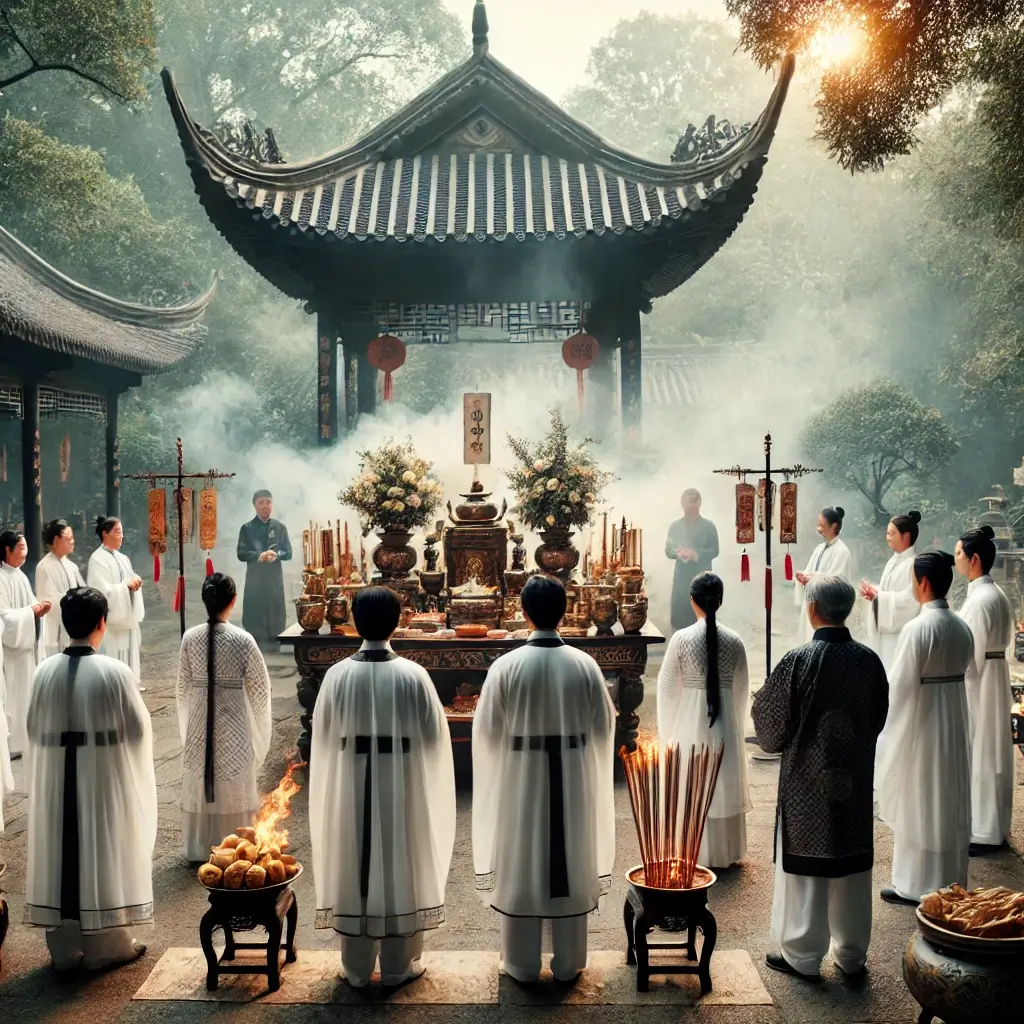
Death is of immense importance in Chinese culture, based on centuries of tradition and religious beliefs. Funerals are a means of respecting the dead, guaranteeing a smooth transition to the afterlife, and maintaining filial piety values. Ancestor worship is important, with families holding the belief that the deceased loved ones still play a role in […]
Japanese Buddhist Funerals
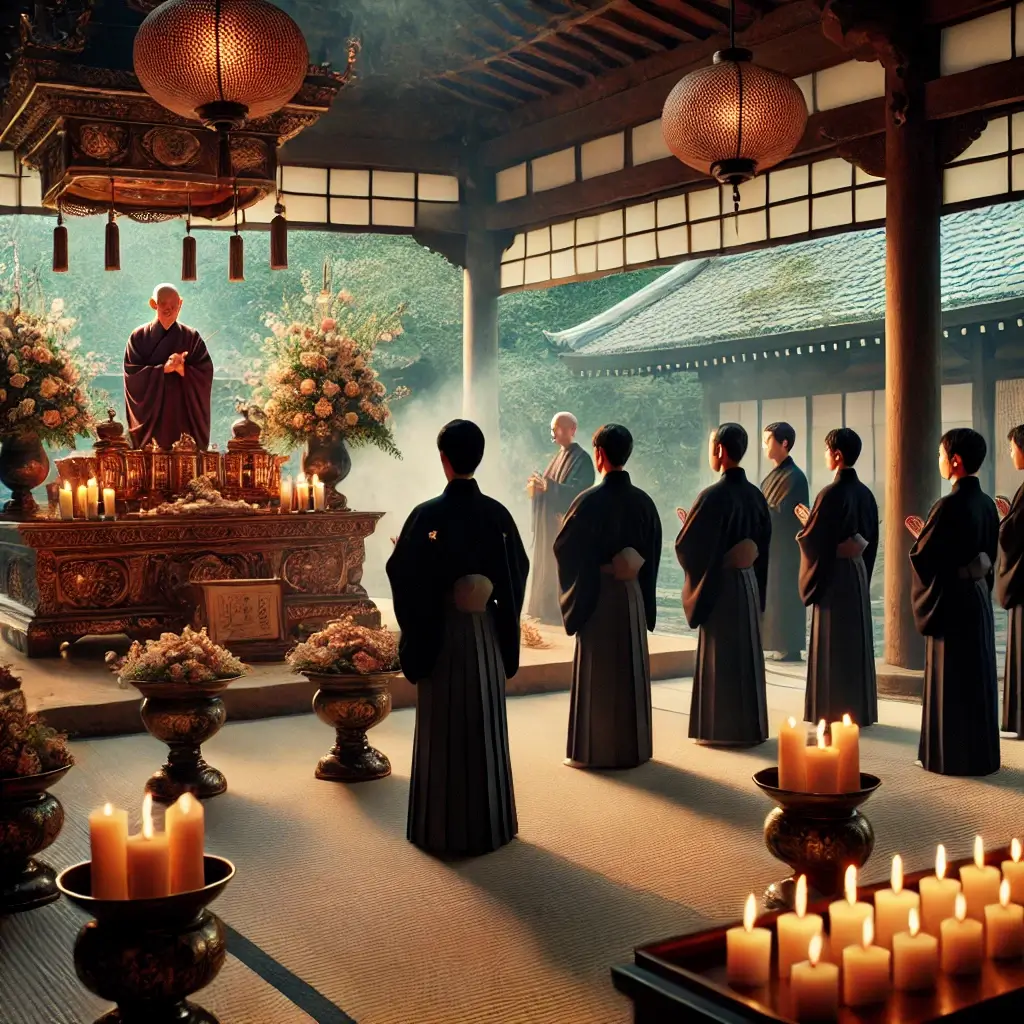
Buddhist funerals are significant in Japanese life, shaping how the dead are remembered and how families grieve. More than 90% of Japanese funerals follow Buddhist rituals, showing the far-reaching influence of Buddhist beliefs about death and the afterlife. The ceremonies provide a methodical means of grieving while ensuring the gentle passing away of the spirit. […]
Christian Funeral Traditions
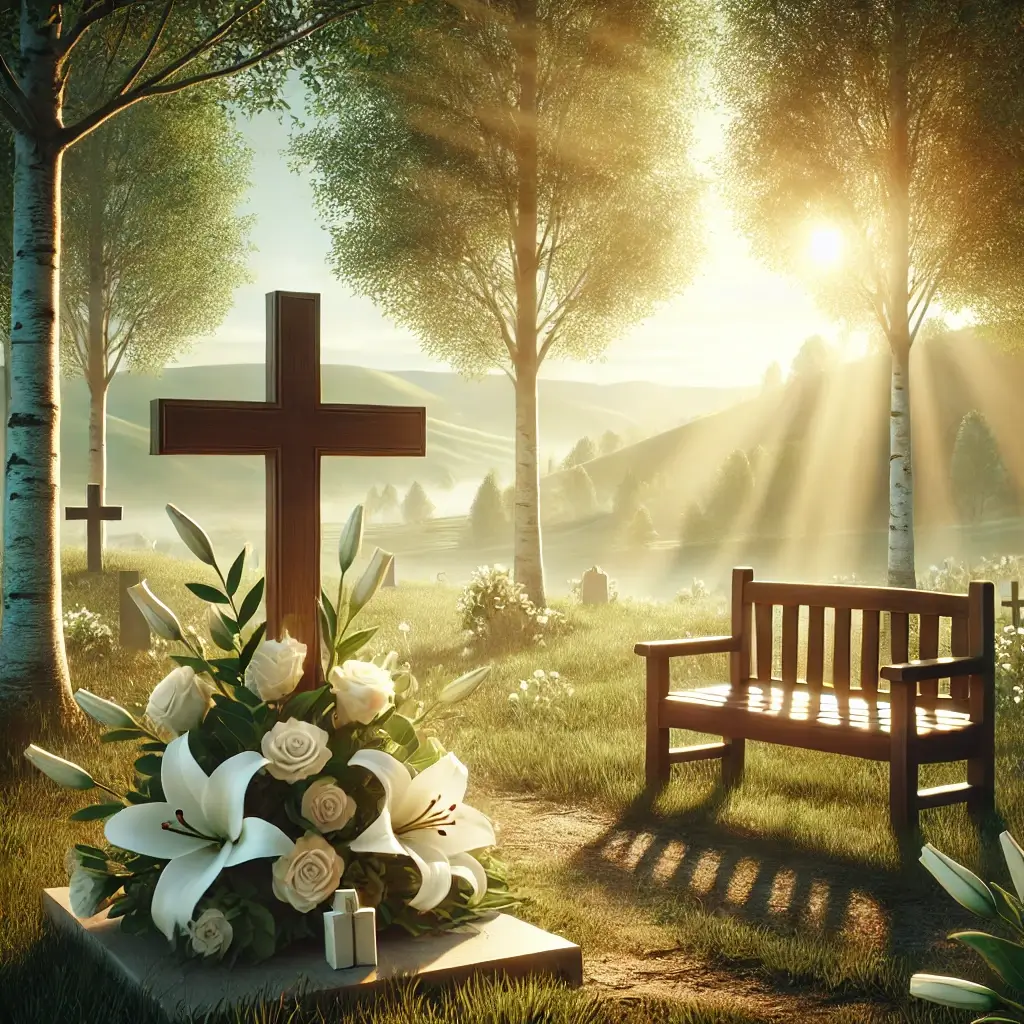
One is never ready for the death of a dear one, and Christian funeral customs are a way to show respect to the deceased in a well-organized manner that soothes the living too. As much as there is a variation on how different denominations conduct the customs, most of them share a common key factor […]
Pagan and Wiccan Funeral Rites
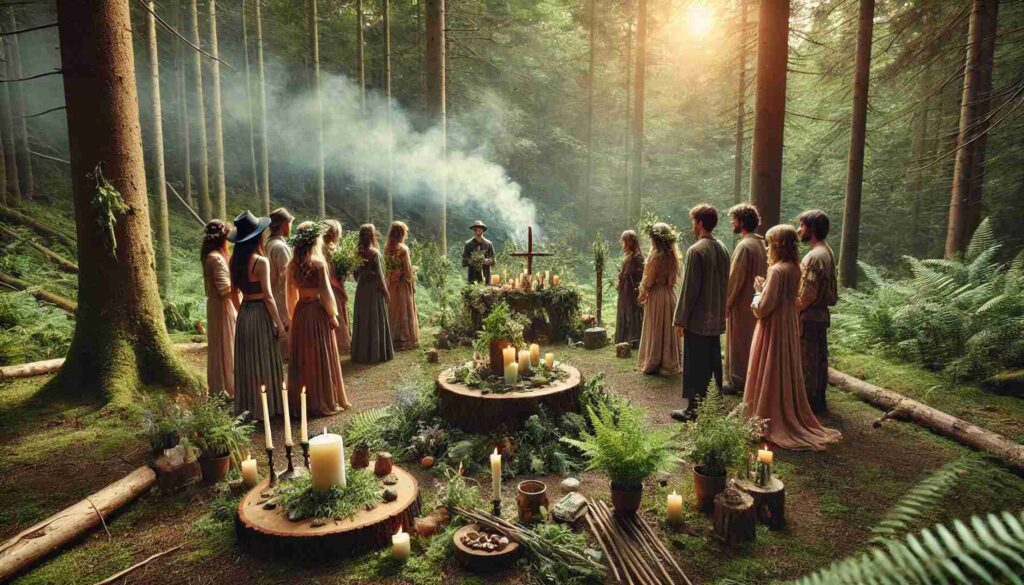
Pagan and Wiccan funeral rituals demonstrate an intimate connection with nature, with spirituality, and with the wheel of life and death. Not like most standard religious practices, these rituals emphasize the soul journey, the balancing of the elements, and celebrating the passage out of old life. Not an end to be mourned, but rather a […]
Traditional African Funeral Customs
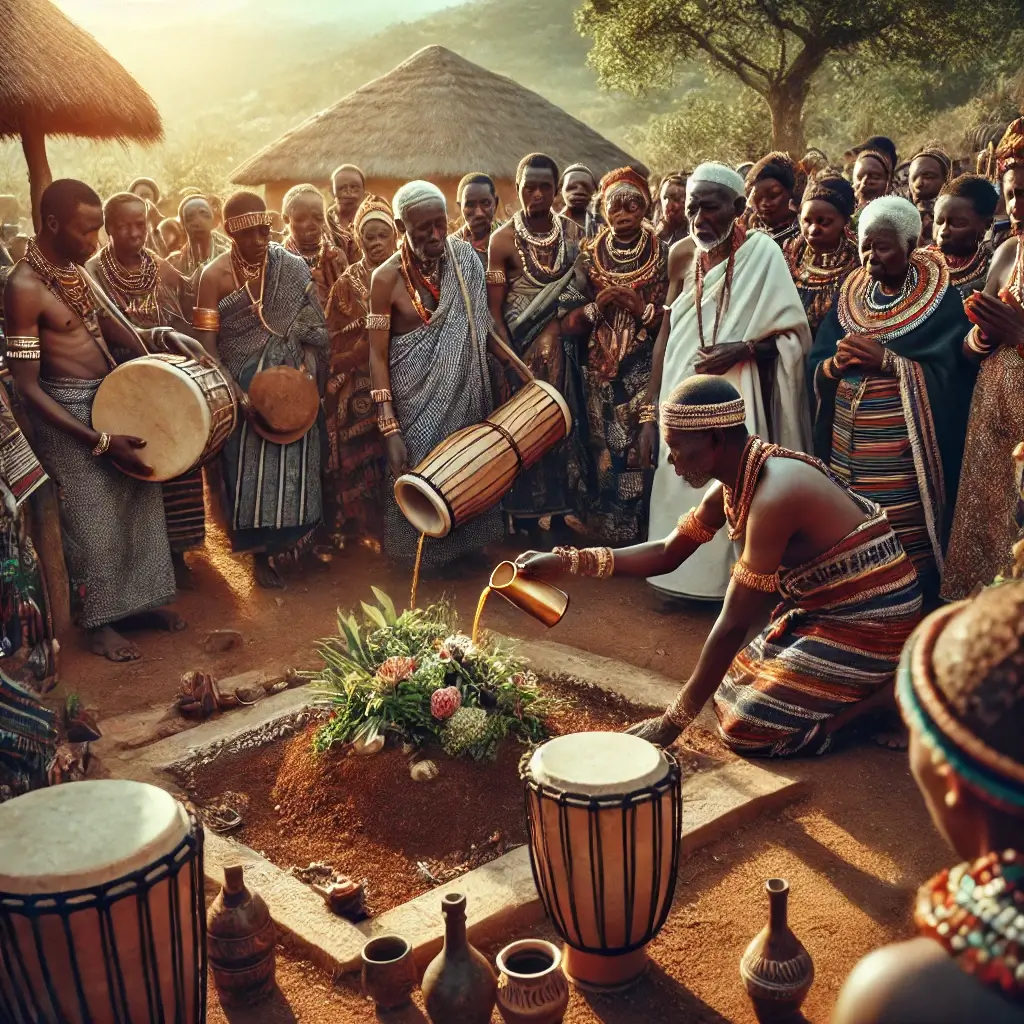
Funeral customs across Africa demonstrate profound spiritual beliefs, community values, and the need to hallow their ancestors. Though specific rituals differ among regions and ethnic groups, most funeral traditions in Africa, by and large, stress a close relationship between the living and the dead. Believing death is only a transition into the ancestral realm influences […]
